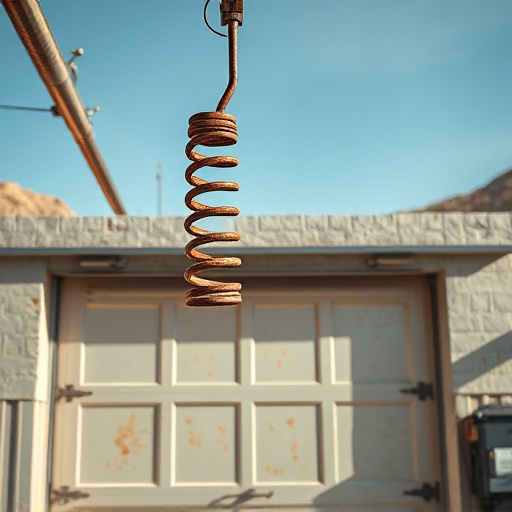
In the average American home, the garage door is one of the largest and heaviest moving parts. A broken or poorly balanced garage door spring can cause serious safety risks and costly damage. Since garage door springs typically last 7,000 to 10,000 cycles, understanding when to repair or replace them is crucial. When a spring repair is necessary, balancing the door afterwards is a critical step to ensure smooth, safe operation. This article provides expert advice on balancing a garage door after a spring repair, including the importance of a thorough spring warranty check, to help Tucson homeowners maintain their properties safely and efficiently.
- Understanding Garage Door Balance After Spring Repair
- Step-by-Step Guide to Re-balance Your Door
- Leveraging Spring Warranty for Peace of Mind
Understanding Garage Door Balance After Spring Repair
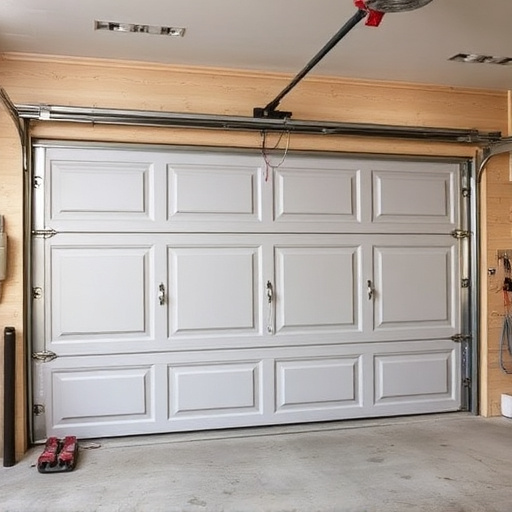
After a garage door spring repair, ensuring the door balances correctly is crucial for safety and smooth operation. The balance of a garage door is determined by the equal distribution of weight on both sides, which is achieved through a system of springs, cables, and other components. When repairing or replacing a spring, it's essential to consider the door's weight and the type of springs used to maintain this balance.
A licensed Tucson garage door company recommends evaluating the door's current setup before and after the repair. If you're repairing a single-car door, you might use a single extension spring, which is a common choice for lighter doors. In contrast, heavier doors often require double springs, offering increased tension and support. Understanding the inside diameter of the springs and their material, such as oil-tempered or galvanized, is also vital. These factors influence the spring's strength and longevity, impacting the overall balance and performance of the door.
After the repair, the door's balance should be checked meticulously. A simple test involves opening and closing the door to ensure it moves smoothly and evenly. If the door is uneven, it might indicate an imbalance that requires adjustments. Safety cables, for example, play a critical role in maintaining balance by connecting the spring system to the door and providing additional support. In some cases, you might need to replace or tighten these cables, ensuring they're securely fastened to the door and spring anchor points, like cone and anchor plates.
Understanding the spring warranty is essential. Most spring manufacturers offer limited warranties, typically covering material defects and proper installation. However, these warranties vary, so it's advisable to consult the manufacturer's guidelines or seek advice from a local garage door repair service. Regular maintenance, including lubricating the spring hinges and pivot points, can also extend the life of your springs and ensure consistent door balance. By addressing these aspects, you'll ensure your garage door operates safely and efficiently after a spring repair.
Step-by-Step Guide to Re-balance Your Door

After a garage door spring repair, re-balancing your door is crucial for safe and smooth operation. A balanced door ensures even distribution of weight, which is especially important for heavy doors or those with extensions springs. Imbalanced doors can lead to uneven closing, squeaking, and potential safety hazards.
Here's a step-by-step guide to re-balance your door after a spring repair:
-
Inspect the Spring System: Before adjusting anything, carefully examine the new spring(s) installed. Note the spring length, wire gauge, and type-are they oil-tempered for durability? Make sure the springs are properly seated and the winding bars are correctly positioned.
-
Adjust the Counterbalance System: Most garage doors use a counterbalance system, which includes the spring(s), track, and cables. The goal is to ensure the door's weight is evenly distributed along the track. If your door sags on one side, it's likely the spring is too weak or improperly installed. A licensed Tucson garage door company can assist with spring sizing for heavy doors.
-
Tuning the Balance: This involves making precise adjustments to the spring tension. Start by engaging the door's safety release mechanism to allow access to the spring winding bars. Then, carefully turn the winding bar to tighten or loosen the spring based on the door's performance. Tightening the spring increases tension and balance, while loosening it decreases it. Turn the bar in small increments until the door closes evenly. It may take multiple adjustments to achieve the perfect balance.
Remember, balancing a garage door is a delicate process. Always prioritize safety and consult a professional if you're unsure. A spring warranty, if provided by the installer, may cover any issues related to improper balancing.
Leveraging Spring Warranty for Peace of Mind

After a garage door spring repair, ensuring your door operates smoothly and safely is paramount. An experienced Tucson garage door installer recommends regularly checking the balance of your door following any spring work. This is crucial, especially when dealing with heavy doors and strong springs. The balance ensures your door opens and closes evenly, preventing potential hazards and extending the life of your springs.
When dealing with heavy doors, such as those made from wood or insulated materials, the choice of spring is critical. Higher-gauge galvanized springs, for instance, are often recommended due to their strength and durability. The spring's wire gauge directly impacts its capacity to handle your door's weight. An experienced installer can help you select the appropriate spring size based on your door weight.
Leveraging the spring warranty is a key aspect of peace of mind. Most spring manufacturers offer warranties, guaranteeing their product's performance and longevity. Understanding the terms and conditions of this warranty is essential. Some warranties cover both spring replacement and labor, while others may require separate consideration. The warranty period can vary, and understanding the cycle ratings and expected lifespan of your springs is vital. Regular maintenance, including lubricating the springs and checking for rust or corrosion, can help maximize their lifespan, especially in the Tucson heat.
After a repair, the door's balance should be adjusted. This step involves fine-tuning the tension to ensure the door opens and closes smoothly. Spring conversion kits can be used to convert between torsion and extension springs or to adjust the spring's tension. The spring's warranty should cover any issues that arise from improper balance or installation. If a spring fails within the warranty period, the replacement and associated labor costs may be covered, providing significant financial protection.
Frequently Asked Questions About advice on balancing a garage door after a spring repair
What is balancing a garage door?
Balancing a garage door involves adjusting the tension on the springs to ensure the door closes smoothly and evenly. This prevents loud squeaking, uneven closing, and potential damage to the door, tracks, and springs. A balanced garage door operates more efficiently, extending the life of its components.
Why do garage door springs need to be balanced?
Imbalanced garage door springs create extra stress on the system. This can lead to premature wear and tear, making the door difficult to operate and increasing the risk of failure. Balancing ensures the door moves smoothly and safely, protecting your investment.
When should I balance my garage door after a spring repair?
Balance your garage door immediately after a spring repair. Replacing a spring alters the tension, requiring a re-balance to ensure optimal performance and safety. Many garage door services offer this as part of their spring repair package.
How do I know if my garage door needs balancing?
Look for signs like loud squeaking, uneven closing, or a door that sags or pulls to one side. If the door is difficult to close or opens by itself, it's likely imbalanced. A professional should check it, as improper balancing can be dangerous.
Can I balance a garage door myself?
While some basic adjustments are possible, it's best left to a professional. Garage doors are heavy and complex, requiring specific tools and knowledge. Incorrect balancing can lead to injury or damage. Trust a licensed contractor for accurate and safe adjustments.
What happens if I don't balance my garage door?
Ignoring a balanced door can lead to serious safety hazards. The door could suddenly close on someone or something, causing injury or damage. Regular balancing, especially after repairs, is crucial for the safety of your family and property.
After completing the step-by-step guide to re-balance your door, it's crucial to understand the importance of leveraging the spring warranty. This ensures not only the longevity of your garage door system but also provides peace of mind, knowing that any issues arising from the repair or replacement of springs will be covered. Regular maintenance and prompt attention to signs of spring failure, such as a broken spring sound or door balance issues, are key to preventing costly repairs. Remember, a well-balanced garage door operates smoothly, improves energy efficiency, and enhances the overall safety of your home. By following these guidelines and utilizing the spring warranty, you can rest assured your door is in good hands.
After a garage door spring repair, re-balance your door for safety and performance. Inspect spring system, adjust counterbalance, and fine-tune tension for optimal balance. Use high-gauge galvanized springs for heavy doors. Regularly check for rust, lubricate springs, and understand the spring warranty, which may cover spring replacement and labor. Spring conversion kits can adjust tension. Improper balance issues may be covered under warranty.