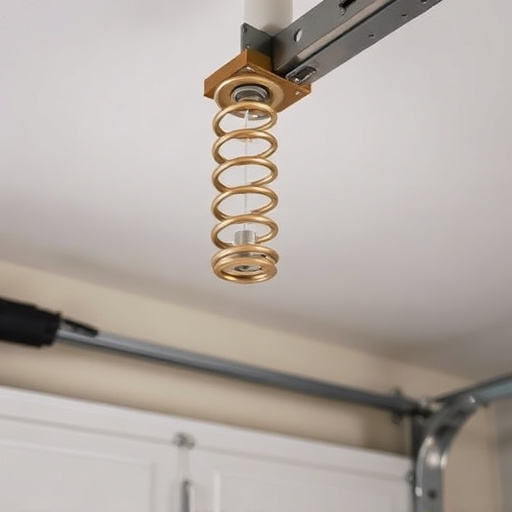
In the bustling homes across Tucson, the garage door is more than just a gateway-it's a critical safety feature and a key to daily convenience. Yet, when a spring fails, it can leave your door unbalanced and your access compromised. This is where professional spring repair comes into play, offering a vital service to maintain your home's security. The challenge lies in balancing the door after repair, a task that requires a nuanced understanding of spring types like oil-tempered vs. Galvanized, each with its unique properties and applications. This article guides you through the process, ensuring your garage door operates smoothly and safely. We'll explore why both springs might need replacement, the signs of a failing spring, and the steps involved in a successful service call.
- Evaluating Your Garage Door Balance After Spring Repair
- Lubrication: Choosing Oil-Tempered vs. Galvanized Springs
- Fine-Tuning for Smooth Operation: Adjusting Counterbalance
Evaluating Your Garage Door Balance After Spring Repair
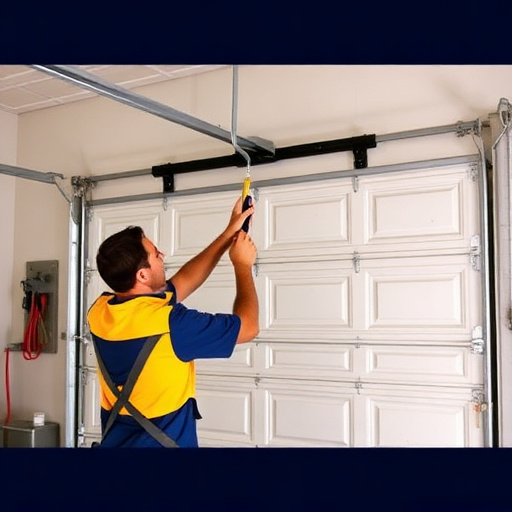
After a garage door spring repair, ensuring your door is properly balanced is crucial. This involves understanding the condition and compatibility of the springs, particularly the distinction between oil-tempered and galvanized springs, both common types used in Tucson homes. Oil-tempered springs, known for their flexibility and strength, are suitable for heavier doors, while galvanized springs offer corrosion resistance, ideal for areas with high humidity like Marana.
Proper balance starts with inspecting the inside diameter of your door's springs. This measurement dictates the weight-bearing capacity and, consequently, the number and size of springs needed. A heavier door might require additional springs or larger-gauge springs to maintain balance. It's essential to consult with a local Tucson garage door technician to determine the best spring configuration for your specific door.
When re-evaluating balance, listen for any unusual sounds during operation, like a distinct click or pop. These could indicate improper tension or a failing spring. Check for visual signs of wear, such as rust or stretched coils. If you notice any issues, it's advisable to call in a professional, as attempting DIY repairs on springs can be dangerous. The cost of garage door spring replacement in Tucson typically ranges from [insert cost range based on local data], and professional services often include a thorough balance check.
Remember, a well-balanced garage door not only operates smoothly but also ensures the safety of your family and property. By understanding the type and condition of your springs, and working with experienced local professionals, you can maintain a secure and efficient garage door system.
Lubrication: Choosing Oil-Tempered vs. Galvanized Springs
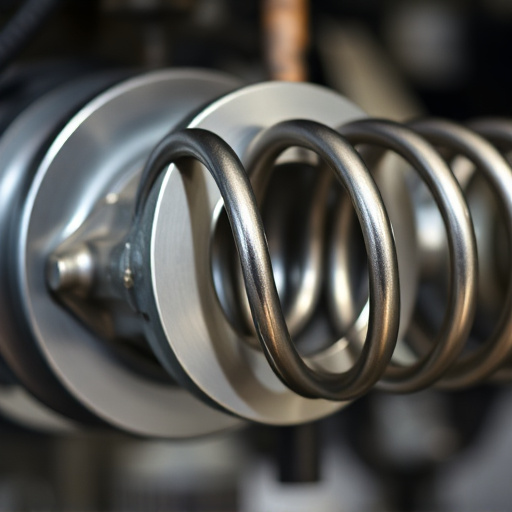
When balancing a garage door after a spring repair, one crucial consideration is the type of springs used: oil-tempered or galvanized. These two types of springs have distinct characteristics that can impact your door's performance and longevity. In the arid climate of Tucson, where desert heat can reach extreme temperatures, understanding the differences between oil-tempered and galvanized springs becomes even more important.
Oil-tempered springs, as the name suggests, are treated with an oil that helps to reduce corrosion and improve their lifespan. This makes them a superior choice for Tucson's harsh environmental conditions, where spring rust and corrosion are common issues. Oil-tempered springs are also known for their quiet operation, which can be beneficial if you're dealing with a noisy door. However, they tend to be more expensive than their galvanized counterparts. To ensure optimal performance, regularly lubricate these springs, focusing on the inside diameter, as this is where friction can build up and cause wear.
On the other hand, galvanized springs offer excellent corrosion resistance due to their zinc coating. While they may not perform as well in extreme heat as oil-tempered springs, they are generally more affordable and suitable for lighter-weight doors. Galvanized springs also tend to have a lower cycle rating, which means they may not withstand as many opening and closing cycles as oil-tempered springs. When selecting the right springs for a repair, consider the door's weight and the local climate. A two-car door in Tucson might benefit more from oil-tempered springs, while a single-door unit in a cooler, less arid region could use galvanized springs.
When working with a family run Tucson garage door business, remember that professionals like Eddies Garage Door Service have the expertise to guide you in choosing the best springs for your door. They can also provide advice on proper spring sizing, based on your door's weight, and ensure that your door is correctly balanced after the repair. Regular maintenance, including lubricating the springs and checking for signs of wear, can extend the life of your garage door and prevent costly future repairs.
Fine-Tuning for Smooth Operation: Adjusting Counterbalance

After a garage door spring repair, achieving smooth, balanced operation is crucial. This involves fine-tuning the counterbalance system, ensuring the door operates seamlessly and safely. One key consideration is the choice between oil-tempered and galvanized springs. Oil-tempered springs, known for their flexibility and strength, offer superior performance in the Arizona heat, maintaining their integrity over time. Galvanized springs, on the other hand, are more affordable and resistant to corrosion, making them a popular choice for many Tucson homeowners. Your local Tucson garage door technician can advise on the best option based on your door's weight and specific needs.
The counterbalance system typically includes a center bearing, which acts as the pivot point for the door's movement. In Marana or Vail, where temperatures can fluctuate, proper lubrication of this bearing is essential to prevent wear and ensure smooth operation. A well-lubricated center bearing allows for easier opening and closing, reducing the strain on the springs. This step is often overlooked but significantly impacts the overall performance and longevity of your garage door.
Adjusting the counterbalance weights is another critical aspect. These weights are designed to balance the door, counteracting the spring tension. After a spring repair, rebalancing ensures the door doesn't swing wildly or remain stuck in one position. A simple test to determine if rebalancing is needed is to observe the door's movement. If it sags or jumps abruptly, it's likely imbalanced. A licensed technician can make precise adjustments, ensuring the door operates quietly and efficiently. For a two-car door, balancing involves careful consideration of the additional weight to maintain stability and safety.
Regular maintenance, including center bearing lubrication and weight adjustment, is vital to the long-term health of your garage door system. By addressing these details, you contribute to a safer, smoother operation, preventing costly repairs down the line. Always consult with a reputable local garage door repair service to ensure your door is properly balanced after any spring work.
Frequently Asked Questions About advice on balancing a garage door after a spring repair
What is the purpose of balancing a garage door?
Balancing a garage door is crucial for its smooth operation and safety. After a spring repair, the door's weight distribution may have been affected. Balancing ensures the door closes evenly, avoids binding, and prevents excessive wear on the springs. A balanced door operates more efficiently, extending the life of the springs and other components.
How do I know if my garage door needs balancing?
Look for signs like: difficulty opening or closing, uneven door tracking, or a loud grinding noise when the door moves. If the door sags or inclines to one side, it's likely imbalanced. A professional should assess any issues to ensure safe and proper adjustment.
What happens if I don't balance my garage door after a spring repair?
Ignoring door balancing can lead to premature spring failure, increased wear on all components, and potential safety risks. An imbalanced door exerts uneven pressure on the springs, causing them to overwork and potentially break. Regular balancing is key to maintaining a reliable, safe garage door system.
Can I balance a garage door myself?
While some basic adjustments are possible for homeowners, balancing a garage door, especially after a spring repair, is best left to professionals. Improper balancing can worsen problems. Experienced technicians have the tools and knowledge to ensure precise, safe adjustments for optimal door performance.
How often should I balance my garage door?
The frequency depends on several factors: door weight, use, and the quality of initial installation. Most garage doors require balancing every 6 months to a year, or after any significant changes, like a spring replacement. Regular checks by a professional are recommended for best results.
What causes a garage door to become unbalanced?
Imbalance can stem from various issues, including: misaligned tracks, worn or damaged springs, loose hardware, or improper installation. Spring repair or replacement itself can disrupt the door's balance, making professional re-balancing crucial for safe, efficient operation.
After successfully repairing or replacing your garage door springs, balancing the door is crucial for safe and smooth operation. This process involves fine-tuning the counterbalance to ensure equal weight distribution, which can be adjusted based on your door's specific weight and spring type. When selecting springs, consider the benefits of oil-tempered vs. Galvanized springs. The former offers superior strength and longevity, making them ideal for heavier doors and demanding environments, while the latter is more cost-effective and suitable for lighter doors. Balancing your garage door not only enhances performance but also prevents costly future repairs and potential safety hazards. Next steps include consulting a licensed local garage door service for professional guidance and ensuring your door's balance is optimized for safety and longevity.
After a garage door spring repair, balancing involves understanding spring types (oil-tempered vs. Galvanized) and their effects on door performance. Inspect spring diameters, listen for unusual sounds, and check for wear. Consult with a local technician to determine the best spring configuration and counterbalance weights. Regular maintenance, including lubrication and weight adjustments, ensures a well-balanced, safe, and efficient door.