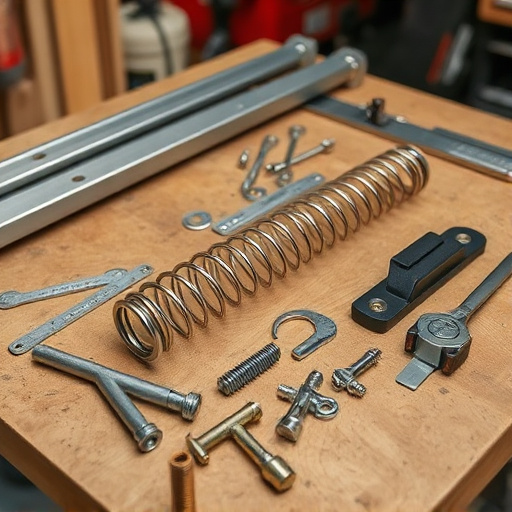
In the desert climate of Tucson, understanding the impact of heat and dust on your garage door springs is crucial for ensuring the safety and functionality of your door. Spring failure is a common issue here, often shorter-lived due to the harsh environmental conditions. High temperatures and prevalent dust can accelerate corrosion and wear, leading to unpredictable and potentially dangerous spring failures. This article examines these factors, explaining why regular spring maintenance is essential. We'll guide you through the signs of a failing spring, the benefits of extension spring safety cables, and best practices for prolonging the life of your garage door springs, ensuring your door operates smoothly and safely.
- Desert Heat: The Invisible Threat to Springs
- Dust and Spring Fatigue: A Deadly Combination
- Prolonging Spring Life: Cable Maintenance Strategies
Desert Heat: The Invisible Threat to Springs
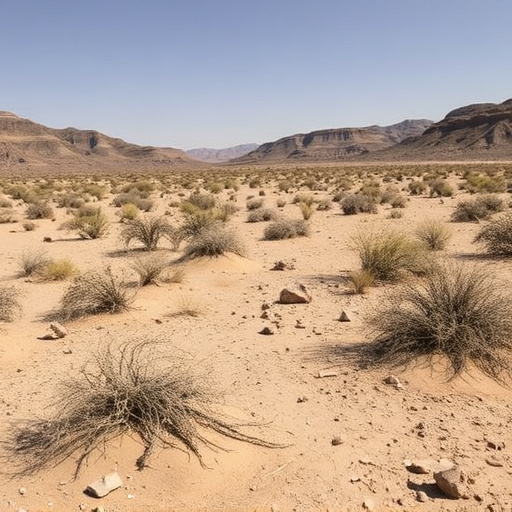
The desert heat poses a silent threat to your garage door springs, accelerating their wear and tear. In Tucson, where dust storms and high temperatures are frequent visitors, springs face a more challenging environment compared to their cooler, cleaner counterparts in other regions. This unique climate can significantly impact the lifespan of your garage door springs, leading to more frequent repairs and, eventually, costly replacements.
The heat can cause springs to lose their elasticity over time, resulting in reduced strength and performance. In extreme cases, intense heat can even lead to spring failure, a scenario no Tucson homeowner wants to face. A single, poorly maintained spring under the intense desert sun might only last 2-3 years, whereas in a more temperate climate, it could easily exceed 5 years. This is where the importance of extension spring safety cables comes into play. These cables, designed to bear the brunt of a spring's tension, act as a crucial safety measure, preventing catastrophic failure. A licensed Tucson garage door company recommends regular inspection and maintenance to ensure these cables remain intact and secure.
Dust, a constant companion in the desert air, also matters in spring deterioration. As dust builds up on the springs, it acts as a lubricant, reducing friction and potentially causing the springs to overheat. This can lead to rust and corrosion, further compromising the springs' integrity. To combat this, regular cleaning and lubrication are essential. Homeowners should consider lubricating their springs periodically, following manufacturer guidelines, to minimize friction and prolong spring life. Remember, the cost of garage door spring replacement in Tucson can vary widely, depending on the door size, spring type, and labor, so proactive maintenance can save you money in the long run.
Dust and Spring Fatigue: A Deadly Combination
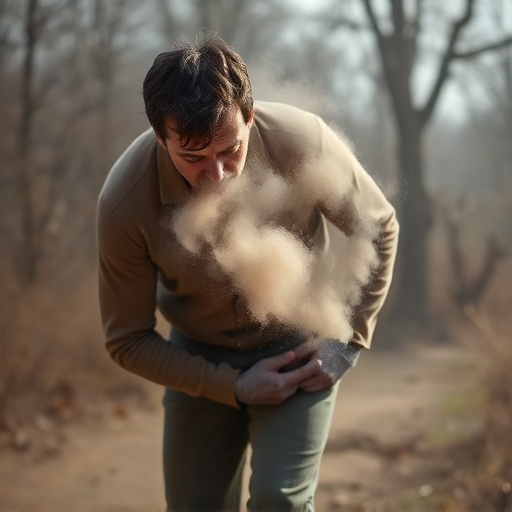
The desert heat and dust in Tucson present unique challenges for garage door springs. While high-quality springs can typically withstand the region's conditions, the combination of dust and heat can accelerate spring fatigue, significantly reducing their lifespan. This is particularly true for extension springs, which are more susceptible to environmental factors compared to torsion springs. The primary reason for this is the way dust and heat interact with the spring's metal.
Dust accumulation on springs, especially in areas with high winds, can lead to corrosion and rust. Even powder-coated springs, designed for resistance against these elements, require regular cleaning and maintenance to prevent buildup. The heat, on the other hand, increases the metal's temperature, causing it to expand and contract more rapidly. This cyclic stress, combined with the corrosive effects of dust, puts extension springs at a higher risk of failure. A local Tucson garage door technician notes that many clients experience broken springs during the hotter months, often due to the deterioration caused by these environmental factors.
The difference between torsion and extension springs in this context is crucial. Torsion springs, commonly found in modern garage doors, are better protected against dust and heat due to their enclosed design. In contrast, extension springs, often used in older doors or certain commercial settings, are more exposed. To mitigate the effects of these conditions, regular maintenance is key. This includes lubricating the springs to reduce friction and checking for any signs of wear or damage. Using extension spring safety cables, a crucial safety feature that prevents spring failure from causing injury, can provide extra protection. However, even with these measures, the harsh desert climate in Tucson demands more frequent spring replacements compared to areas with milder conditions.
Prolonging Spring Life: Cable Maintenance Strategies
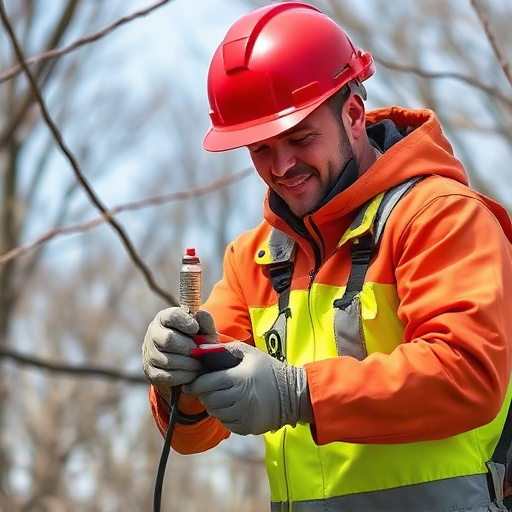
Desert heat and dust can significantly impact the lifespan of garage door springs, particularly extension springs. These environmental factors accelerate corrosion and wear, leading to weakened springs and potential failure. To combat this, regular maintenance, especially cleaning and inspection, is crucial.
One critical aspect often overlooked is the condition of extension spring safety cables. These cables, attached to the spring and winding cones, play a vital role in preventing spring breakage. Over time, dust and debris can accumulate, compromising their integrity. An experienced Tucson garage door installer recommends periodic cleaning with a soft brush or vacuum to remove dust and ensure the cables' tension remains optimal.
Regular lubrication of the spring's moving parts can reduce friction and corrosion. While some DIY enthusiasts might attempt to tackle this, it's advisable to leave it to professionals due to the spring's tension. Many local garage door repair services offer cable maintenance packages, ensuring not only the safety of your springs but also extending their lifespan. This proactive approach can save you from costly emergency repairs and potentially dangerous spring failures.
Understanding the signs of a failing spring, such as unusual noise or a weakened door balance, is essential. If you notice any, contacting a local garage door repair company for a thorough inspection is wise. They can provide a detailed estimate, often broken down by parts and labor, to replace or repair your springs, including winding cones and other components, ensuring your garage door operates smoothly and securely.
Frequently Asked Questions About an explainer on how desert heat and dust shorten spring life
What causes springs to wear out faster in desert environments? Desert heat accelerates the corrosion of metal springs, leading to premature wear. Extreme temperatures can cause metal to expand and contract rapidly, increasing friction and strain on the coils. The arid climate promotes oxidation, further weakening the spring's structure. Dust particles, often abrasive, get lodged in the coils, exacerbating the damage. Over time, this combination of heat, corrosion, and abrasion significantly reduces spring life.
How does dust impact spring functionality? Dust accumulation on springs, especially when wet from occasional desert rainfall, can create an insulative layer that affects their performance. This layer can trap heat, accelerating corrosion. Dust particles act as tiny abrasives, rubbing against the coils and causing wear. Regular cleaning and maintenance are crucial to minimizing dust buildup, ensuring springs function optimally and extending their lifespan.
Are all types of springs affected equally in desert conditions? While all springs are susceptible, certain types are more vulnerable. Coil springs, common in garage doors, are particularly affected by heat and dust due to their exposed nature. Extension springs, often used in mechanical systems, can also suffer from rapid degradation if not maintained properly. Conversely, some materials like stainless steel springs offer better resistance to corrosion, providing longer service life in desert settings.
What maintenance practices can help extend spring life in hot, dusty environments? Regular lubrication is essential; it reduces friction and prevents rust formation. Applying a protective coating or spray can further shield springs from the harsh environment. Periodic cleaning removes dust buildup, ensuring smooth operation. In desert regions, it's advisable to inspect springs more frequently, addressing issues early to prevent catastrophic failure.
How often should springs be replaced in desert areas? The frequency depends on several factors, including spring type, usage, and environmental conditions. As a rule, springs in demanding desert environments may need replacement every 2-3 years, though high-quality materials and regular maintenance can extend this. A licensed technician should assess springs periodically to provide accurate replacement estimates tailored to local conditions.
Desert heat and dust pose significant challenges to garage door springs in Tucson. We've explored how these environmental factors accelerate spring fatigue, particularly when combined with dust buildup. By understanding the impact of heat and dust, homeowners and garage door service providers can take proactive measures to prolong spring life. Implementing regular cable maintenance, especially checking and replacing worn extension spring safety cables, is crucial. This simple yet effective strategy can prevent unexpected spring failures, ensuring safer, smoother door operations. With these insights, you're now equipped to make informed decisions about your garage door springs, enhancing their durability and reliability in the challenging Tucson climate.
Desert Heat and Dust Shorten Garage Door Spring Lifespan
In Tucson, high temperatures and dust accelerate spring wear, reducing lifespan and increasing repair/replacement needs. Extension springs, more exposed than torsion springs, are especially vulnerable. Regular maintenance, including cleaning, lubrication, and inspecting extension spring safety cables, is crucial. Proactive care saves money and prevents dangerous spring failures.