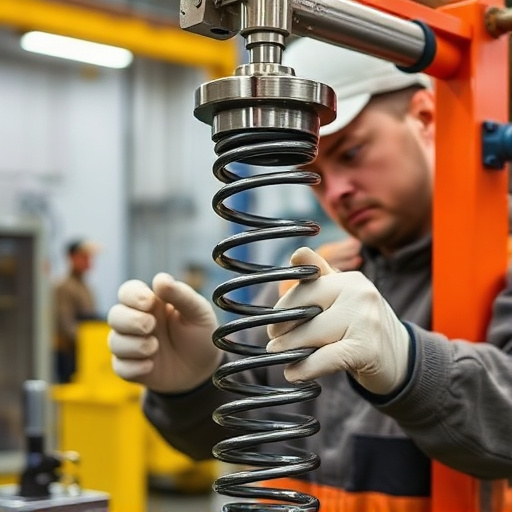
Garage door springs: the unsung heroes that keep your vehicle safe and secure. In Tucson's harsh climate, these vital components can wear out faster, leaving homeowners facing unexpected repairs. Understanding when and why to replace them is crucial. A broken spring can cause serious damage, especially with the added force of a heavy door. This article guides Tucson homeowners through the process, from identifying failure signs to ensuring safety with proper installation techniques. We'll discuss the types of springs, their maintenance, and the importance of extension spring safety cables in securing your garage door, all tailored to our region's specific needs.
- Understanding Garage Door Spring Failure
- Spring Replacement: Tools and Safety Precautions
- Extension Spring Safety Cables: Installation and Maintenance
Understanding Garage Door Spring Failure
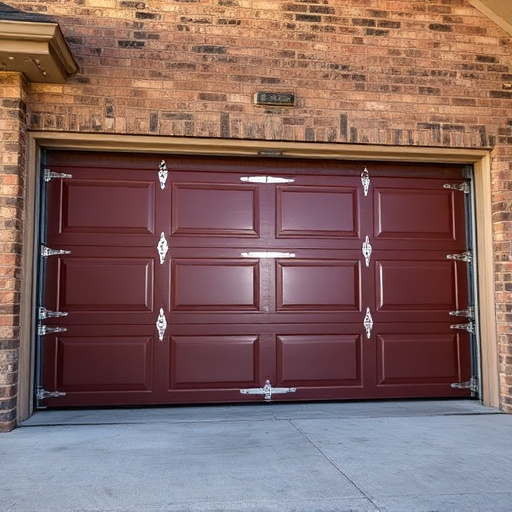
Understanding garage door spring failure is crucial for Tucson and Oro Valley homeowners, as these springs bear the brunt of opening and closing your garage door. The most common cause of spring failure is wear and tear due to repeated use. Over time, the metal coils lose their tension and strength, leading to stretching, warping, and eventual rupture. High heat from Tucson's arid climate can accelerate this process, causing springs to weaken and fail more quickly.
Two main types of garage door springs require attention: extension springs and torsion springs. Extension springs, often found on older doors, run vertically along the door's sides and rely on tension to lift the door. These springs are susceptible to rust and corrosion, especially in Tucson's powdery environment, leading to a dangerous situation if a safety cable becomes exposed. Torsion springs, more common in modern doors, are housed in a cylindrical tube at the door's header and offer superior safety features, including built-in safety cable anchors and cone plates. While torsion springs typically last longer, they can still fail, often due to improper installation or excessive weight loading.
When a spring fails, you'll hear a loud noise, and the door may sag or become difficult to open or close. Never attempt to repair a broken spring yourself, as it poses a serious safety hazard. The force of a stretched or broken spring can cause severe injury. Always contact a professional, such as Eddies Garage Door Service, who can safely remove the old spring and install a new, high-quality one. Regular inspection and maintenance can prevent unexpected spring failure, ensuring your door operates smoothly and securely. Remember, your safety is paramount when dealing with garage door springs.
Spring Replacement: Tools and Safety Precautions
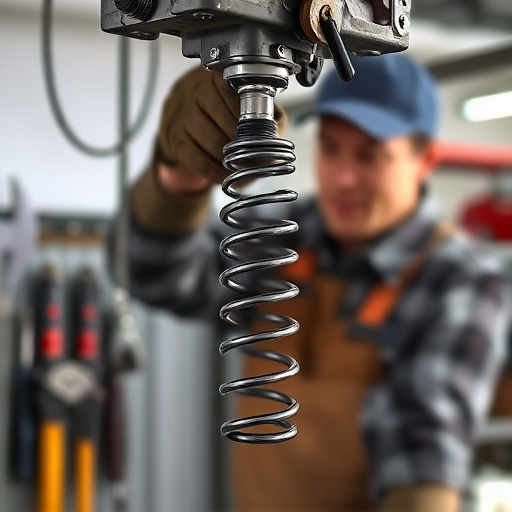
When replacing a garage door spring, safety should always be your top priority. Extension springs, particularly those supporting heavy doors, store significant energy. Incorrect handling can lead to serious injury. Always wear safety glasses and work gloves, and have a helper present if the door weighs over 200 pounds. A broken spring can cause a door to snap back violently, posing a significant risk.
The right tools are crucial for safe spring replacement. You'll need a spring winder or set of spring tongs to remove the old spring, and a new extension spring of the correct size for your door weight. Always measure the door weight in pounds to ensure you select a spring capable of supporting it. Overloading a spring can lead to premature failure and potential hazards. An experienced Tucson garage door installer recommends using a spring size chart based on door weight and style for accurate selection.
Before removing the old spring, inspect the extension spring safety cables. These cables prevent the spring from unwinding too quickly and offer an additional layer of protection. Look for signs of wear, such as fraying or rust, and replace them if necessary. Once the old spring is removed, carefully install the new spring, ensuring proper alignment. Always follow manufacturer instructions for spring installation, and consider consulting a professional if you're unsure.
Proper spring replacement not only ensures the safety of your home but also extends the life of your garage door. Remember, a heavy door with a weak spring is a dangerous combination. Don't take chances-if you're unsure about any aspect of spring replacement, reach out to a local, licensed garage door installer for expert assistance.
Extension Spring Safety Cables: Installation and Maintenance
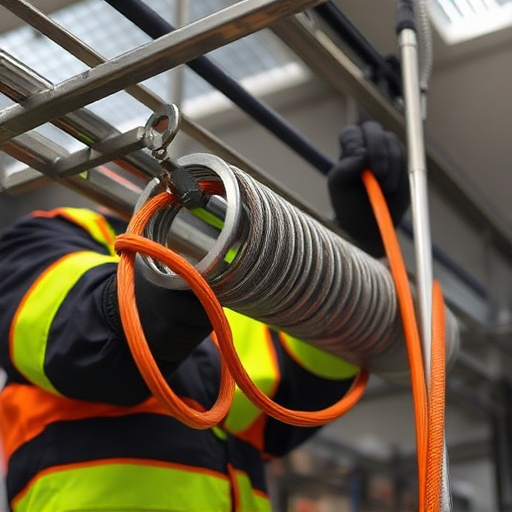
Extension spring safety cables are a crucial component in the complex mechanism of your garage door, providing stability and preventing catastrophic failures. As an experienced Tucson garage door installer serving the Oro Valley area, we've seen firsthand the importance of these cables in maintaining a safe and reliable garage door system. This section examines the installation, maintenance, and replacement of extension spring safety cables, offering valuable insights for Tucson homeowners.
Understanding the role of safety cables is essential. These cables are designed to bear the brunt of your garage door's weight in case of a spring failure, effectively halting the door's motion and preventing potential harm. The typical extension spring system has two safety cables, each attached to the bottom of the door and running to a tensioned pulley at the head of the spring. Proper installation is paramount. Homeowners should ensure these cables are correctly fastened to the door and the pulley, with the right amount of tension, to guarantee optimal safety.
Regular maintenance is key to extending the lifespan of your extension spring safety cables. The harsh desert sun and heat in Tucson can accelerate corrosion and wear, so it's crucial to inspect them frequently. Look for signs of fraying, rust, or wear, and replace them if they show significant damage. Most local garage door repair services in Tucson can provide this service, but knowing the basic maintenance can save you time and money. Lubricating the cables periodically can reduce friction, but be sure to consult a professional for the best approach.
When a cable shows signs of failure, immediate action is necessary. A broken spring can cause serious injury, so never attempt DIY repairs unless you are an experienced do-it-yourselfer. In most cases, it's best to call a licensed roofer or a specialized garage door repair company. They can assess the situation, replace the failing cable, and ensure the door's safety and balance. Remember, extension spring safety cables are not a do-it-yourself project, especially for heavy doors in the Tucson heat, where the right tools and expertise are essential for a safe, effective repair.
Frequently Asked Questions About a Guide for Tucson Homeowners on Garage Door Spring Repair and Replacement
What are the signs that my garage door spring needs repair or replacement?
Look out for symptoms like a garage door that is difficult or impossible to open or close, a noisy door, or an off-center door track. These could indicate worn or damaged springs, which should be assessed by a professional for safety and accurate repair or replacement.
How do I know if I can do this myself or if I need a professional?
Most minor repairs, like replacing a spring or adjusting tracks, can be done by homeowners with basic DIY skills. However, if your door is heavy, or if you're unsure about any aspect of the process, it's best to call a licensed professional roofer. Safety and proper installation are paramount, especially with garage door springs.
How long does a garage door spring typically last?
Under normal conditions, a garage door spring should last 5,000 to 10,000 cycles, or roughly 7 to 14 years. However, factors like frequent use, poor installation, or exposure to extreme temperatures can significantly impact their lifespan.
What happens if I try to replace the spring myself and something goes wrong?
Attempting a spring replacement without the proper knowledge and tools can be extremely dangerous. If something goes wrong, you could be at risk of serious injury. Always seek professional help if you're not confident in your abilities or if any complications arise.
How do I choose the right replacement spring for my garage door?
The best spring for your door depends on its weight and balance. A professional roofer can help you determine the correct spring type and size. Spring gauge, material, and brand all play a role in durability and performance.
What should I do if I hear a loud noise from my garage door spring?
Loud noises, especially snapping or popping sounds, are a clear indication of spring failure. Immediately stop using the door and contact a professional. Attempting to use a door with a damaged spring can be hazardous.
Understanding garage door spring failure, replacement processes, and safety precautions, such as the proper installation of extension spring safety cables, equips Tucson homeowners to make informed decisions regarding their garage door maintenance. By recognizing signs of spring failure, like a loud "pop" or door imbalance, homeowners can prevent costly repairs or worse, injuries.
Knowing when to replace both torsion and extension springs is crucial. High-cycle springs, for instance, are designed for frequent use and may require replacement more often. Regular maintenance, including lubricating springs and checking for rust or corrosion, extends spring life, especially in Tucson's heat.
The article's practical guidance, from spring sizing based on door weight to fixing spring noise, empowers homeowners to handle basic repairs. For more complex issues or when unsure, contacting licensed local garage door repair services, like DC Roofing of Arizona, is recommended.
This guide offers a solid foundation for Tucson homeowners to manage their garage door springs effectively, ensuring safety, longevity, and peace of mind.
Metal roofing in desert regions like Tucson and Oro Valley faces unique challenges from intense heat and frequent monsoon storms. Garage door springs, critical for door operation, are particularly susceptible to failure due to wear and tear from repeated use, accelerated by the arid climate. Two main types, extension and torsion springs, require attention:
- Extension Springs: Found on older doors, these vertical coils are vulnerable to rust and corrosion, posing safety risks. They store significant energy, necessitating caution during replacement.
- Torsion Springs: More common in modern doors, they offer superior safety features but can still fail due to improper installation or excessive weight loading.
Regular inspection and maintenance are vital. Extension spring safety cables, a crucial component, require correct installation, frequent checks for wear and tear, and immediate replacement if damaged. DIY repairs are risky, especially for heavy doors in hot conditions; consult licensed professionals for safety and effectiveness.