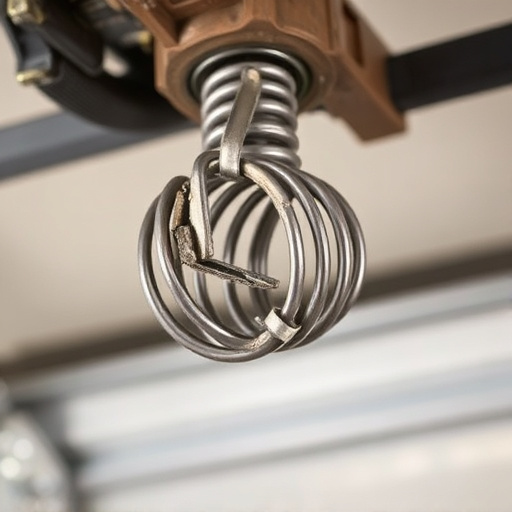
Tucson's scorching heat and persistent dust aren't just challenges for homeowners; they significantly impact the lifespan of garage door springs. These mechanical wonders, crucial for door operation, can fatigue and fail faster in such harsh conditions. The result? Expensive repairs or replacements. Understanding how heat and dust contribute to spring wear is key to proactive maintenance. This article examines the science behind these factors, offering insights into why both torsion and extension springs require regular attention, especially when compared to oil-tempered vs. Galvanized spring options. We'll explore the signs of spring failure, the importance of balance after repairs, and why DIY repairs can be dangerous, ultimately guiding you through the process of ensuring your garage door springs last.
- Desert Heat: Spring Degradation and Life Expectancy
- Dust's Impact: Accelerated Wear and Oil-Tempered Springs
- Natural Degradation vs. Galvanized: Strategies for Longer Springs
Desert Heat: Spring Degradation and Life Expectancy
The desert heat and dust in Tucson present unique challenges for garage door springs. Unlike more temperate climates, these environmental factors accelerate spring degradation, significantly impacting their lifespan. This is especially true for oil-tempered springs, which, while stronger and more durable than their galvanized counterparts, are not immune to the harsh conditions. The intense sunlight and hot winds can cause springs to lose their strength and elasticity faster, leading to premature failure.
Marana, like many desert cities, experiences a high level of dust, which can infiltrate and damage springs over time. Galvanized springs, commonly used in the region due to their resistance to corrosion, may show signs of wear and tear earlier than expected. The constant exposure to dust and heat can cause galvanization to wear off, exposing the metal to oxidation. This process, while natural, speeds up the deterioration of the spring. Oil-tempered springs, while offering better resistance to wear, are not immune to these effects, particularly if they are not regularly lubricated.
A garage door company serving Tucson and Oro Valley often encounters these challenges. They report that springs for heavy doors, which require more robust spring systems, tend to fail faster in the desert climate. A two-car door with extension springs, while initially strong, might only last 5-7 years before showing significant signs of wear, compared to a 10-year lifespan in a cooler, less dusty environment. This is a critical consideration for homeowners, as unexpected spring failures can lead to costly repairs or even door damage.
Regular maintenance, including lubricating oil-tempered springs and checking for dust buildup on winding cones, can extend spring life. However, the natural climate conditions in Tucson demand a proactive approach to spring care. Homeowners should expect to replace their springs more frequently than those in less arid regions, potentially every 5-8 years, depending on the spring type and door weight. This knowledge empowers Tucson residents to budget for preventive maintenance and avoid the costly and inconvenient surprises that spring failures can bring.
Dust's Impact: Accelerated Wear and Oil-Tempered Springs
Desert heat and dust present unique challenges for garage door springs, significantly impacting their lifespan. While high cycle springs are designed to withstand repeated stress, the harsh conditions in Tucson can accelerate wear and tear. One of the most critical factors is dust accumulation, which can lead to rust and corrosion, particularly on springs made from galvanized steel. In contrast, oil-tempered springs, often recommended by experts like Eddies Garage Door Service, offer superior durability and resistance to environmental damage.
The difference between torsion and extension springs is essential to understand in this context. Torsion springs, with their coiled design, are more common in heavier doors and provide a strong, constant force. On the other hand, extension springs straighten and contract, typically found in lighter doors. Both types are susceptible to desert conditions, but oil-tempered springs can better withstand the extreme heat and dust. The inside diameter of a spring, a critical dimension, affects its strength and resistance to failure. Larger diameters often indicate a stronger spring, capable of handling more weight and environmental stress.
In Tucson, the average garage door spring replacement cost can range from $150 to $300, depending on the spring type, door weight, and accessibility. Oil-tempered springs, while more expensive upfront, often prove cost-effective in the long run due to their enhanced longevity. Regular maintenance, including lubricating the springs and checking for any signs of wear, can further extend their life. A telltale sign of a failing spring is a high-pitched squeaking noise, indicating excessive play and potential breakage. Prompt attention to these issues can prevent more severe damage and costly repairs.
Natural Degradation vs. Galvanized: Strategies for Longer Springs
The life expectancy of garage door springs in a desert climate like Tucson presents unique challenges. While various factors contribute to spring degradation, the primary distinction lies in the material used: oil-tempered versus galvanized springs. These two types respond differently to the harsh conditions prevalent in our region.
Oil-tempered springs, known for their superior strength and flexibility, are more susceptible to damage from desert heat and dust. The intense heat can cause the springs to lose their tension and elasticity over time, leading to premature failure. Similarly, the constant exposure to fine dust particles can accelerate rust and corrosion, further compromising their structural integrity. As a result, oil-tempered springs often require replacement at lower cycle ratings compared to their galvanized counterparts.
In contrast, galvanized springs offer enhanced resistance to heat and dust due to their protective zinc coating. This coating acts as a barrier, preventing rust and corrosion from taking hold. While galvanized springs might initially cost more, their longevity in the Tucson climate makes them a cost-effective choice in the long run. An experienced Tucson garage door installer often recommends galvanized springs for heavy doors, where both strength and durability are paramount.
When choosing between single and double springs, consider the door's weight and the local climate. Single springs, while cheaper, may not withstand the heat and dust as effectively as double springs, which provide additional support. A two-car door in our region might benefit from double galvanized springs to ensure a longer lifespan, despite their higher upfront cost. Regular lubrication and maintenance can further extend the life of both types, but the choice between oil-tempered and galvanized springs ultimately depends on balancing initial cost against expected performance in the unique environment of Tucson.
Frequently Asked Questions About an explainer on how desert heat and dust shorten spring life
What happens to springs in desert environments?
Desert heat and dust can significantly reduce the lifespan of springs. Extreme temperatures, often exceeding 120F (49C), accelerate the wear and tear process. The fine desert dust can act as an abrasive, scouring the spring coils over time. This combination leads to weakened springs that may fail prematurely, requiring replacement.
How does heat affect spring performance?
Heat causes metal to expand, putting additional pressure on spring coils. Prolonged exposure to high temperatures can cause the coils to lose their elasticity, resulting in reduced spring capacity and eventual failure. The faster a spring is subjected to heat, the quicker its performance deteriorates.
What role does dust play in spring degradation?
Desert dust, when deposited on springs, acts as a grit that can wear down the spring coils during mechanical movement. Over time, this can lead to misalignment, excessive friction, and premature failure. While dust is a natural part of the desert environment, its impact on springs should not be underestimated.
How often do desert springs need replacement?
This is due to the accelerated wear and tear caused by heat and dust. Regular maintenance, including cleaning and lubricating, can extend spring life.
Are there ways to protect desert springs from damage?
Yes, several measures can be taken to protect springs in desert environments. Regular cleaning to remove dust buildup, applying protective coatings to resist corrosion, and periodic tension adjustments can all contribute to prolonging spring life. Using springs designed for high-temperature applications can significantly improve their durability.
Who should I contact for spring repair or replacement in a desert area?
For professional spring repair or replacement services in desert regions, contact a licensed garage door service provider, such as Eddies Garage Door Service in Tucson. Their experienced technicians are equipped to handle the unique challenges posed by desert heat and dust, ensuring your springs are maintained to extend their lifespan.
In the harsh desert environment of Tucson, understanding the impact of heat and dust on garage door springs is crucial for homeowners. This article has illuminated the unique challenges these conditions pose to spring longevity. Heat accelerates spring degradation, with the desert sun leading to increased wear and tear. Meanwhile, dust, a ubiquitous presence, causes friction and can contribute to rust and corrosion, especially in oil-tempered springs, which are more susceptible than their galvanized counterparts.
The key takeaway is that spring material matters in durability. Galvanized springs, known for their rust resistance, offer a more reliable option in the desert climate. By prioritizing galvanized springs, Tucson residents can extend the life of their garage door systems, reducing the need for frequent repairs and replacements.
For homeowners considering spring replacement, this knowledge empowers them to make informed decisions. Regular maintenance, including lubricating and balancing the door, remains crucial alongside choosing the right spring type. Engaging with reputable local garage door repair services, like Eddies Garage Door Service, can ensure these tasks are performed correctly, maximizing the lifespan of your springs and your investment in your home's automatic door system.
Desert heat and dust significantly shorten garage door spring lifespans, accelerating wear and tear. Oil-tempered springs, though stronger, degrade faster than galvanized ones in Tucson's harsh conditions. Galvanized springs offer better resistance to heat and dust due to their protective zinc coating, making them a cost-effective long-term choice. Choosing between single and double springs depends on door weight and climate, with double springs providing added support against Tucson's unique environmental factors. Regular lubrication and maintenance extend spring life, but initial cost and performance considerations are crucial.