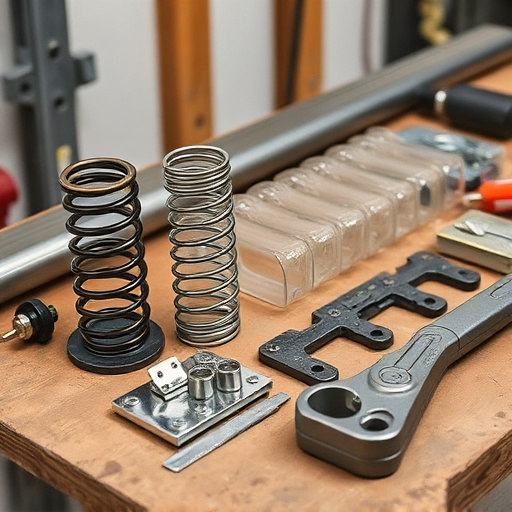
Tucson homeowners, your garage door springs are a critical safety feature, often carrying the weight of your vehicle. Understanding when and how to repair or replace them is essential for maintaining your home's security and ensuring a safe garage. The average garage door spring failure occurs after approximately 10,000 cycles, with heavier doors demanding more robust springs. This guide cuts through the confusion, offering insights into the costs, types, and signs of spring failure. We'll explore why both springs in a double system might need replacement, even under optimal conditions. By the end, you'll be equipped to make informed decisions about your garage door spring repair or replacement, considering factors like spring material (oil-tempered vs. Galvanized) and door weight, ensuring a safe and reliable garage door system.
- Understanding Garage Door Spring Issues
- Diagnosing and Repairing Broken Springs
- Choosing and Installing New Springs for Heavy Doors
Understanding Garage Door Spring Issues
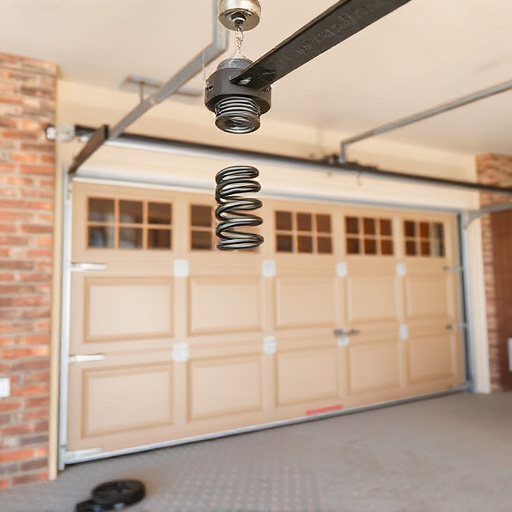
Understanding Garage Door Spring Issues in Tucson's Desert Heat
Tucson homeowners often face unique challenges for garage door springs, primarily due to the area's desert heat and the weight of their doors. The extreme temperatures can accelerate spring wear and tear, making replacement a more frequent necessity. Heavy doors-common in larger homes or those with extra-wide garages-place additional strain on springs, leading to shorter lifespans. In Oro Valley, where the climate mirrors Tucson's arid conditions, proper spring maintenance is crucial to ensure safe and reliable garage door operation.
One of the most common issues is spring failure, which can manifest as a loud broken spring sound or a door that struggles to close. This often occurs when springs reach the end of their cycle rating, a measure of their lifespan under specific conditions. In Tucson, with its high cycle ratings due to frequent use and extreme heat, springs for heavy doors typically require more frequent replacement. It's essential to address these issues promptly, as ignoring them can lead to more severe damage and safety hazards.
The type of spring-torsion or extension-also plays a role. Torsion springs, common in residential doors, are designed to twist under pressure, while extension springs straighten as they bear the load. In hot environments like Tucson's, oil-tempered springs often fare better due to their superior heat resistance compared to galvanized options. Homeowners should consider these factors when deciding on replacement springs and consult with an experienced Tucson garage door installer for the best recommendations tailored to their door's weight and local conditions.
Regular inspection is key to preventing unexpected failures. Homeowners should look out for signs like spring rust and corrosion, especially in powder-coated springs, which offer better protection against these issues. Checking the door's balance after spring work ensures optimal performance. By understanding these spring dynamics, Tucson residents can better maintain their garage doors, extending their lifespan and safeguarding their homes.
Diagnosing and Repairing Broken Springs
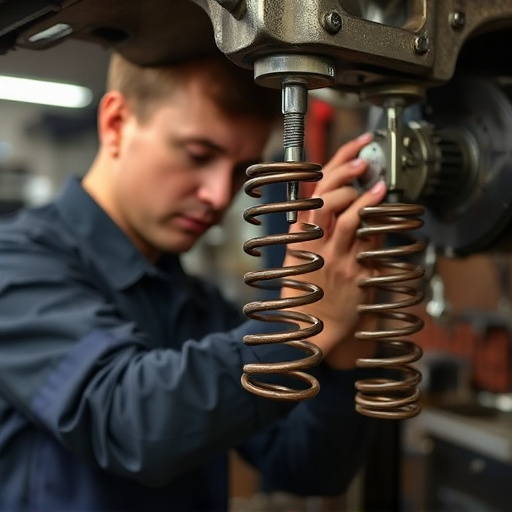
Diagnosing and Repairing Broken Springs: A Tucson Homeowner's Guide
As a Tucson homeowner, knowing how to handle a broken garage door spring is essential. These powerful components are responsible for opening and closing your garage door, and when they fail, it can cause significant inconvenience and even pose safety risks. Understanding when to repair or replace your springs is crucial, especially when dealing with heavy doors. In Tucson, with its unique climate, spring longevity can vary, making regular maintenance key.
When a spring breaks, you'll often hear a loud, sharp noise, followed by the door's inability to open or close properly. To diagnose the issue, inspect the spring(s) for any visible damage or wear. Oil-tempered springs, common in Tucson due to the heat, can fail due to corrosion or rust, especially if not properly lubricated. Galvanized springs, while durable, may require replacement after a certain number of cycles, known as "high cycle springs." For heavy doors, choosing the right spring is critical. Single versus double springs depends on door weight; Eddies Garage Door Service, a licensed local contractor, recommends consulting a professional for this decision.
Repairs can range from simple to complex. Replacing safety cables on extension springs is a DIY option, but working on torsion springs, often found in heavier doors, requires expertise. When a spring is failing, you may notice increased noise, uneven door tracking, or a spring that has stretched and looks elongated. After a thorough inspection, if repair is feasible, consider using spring conversion kits to update older springs. However, if the spring is beyond repair or your door is particularly heavy, replacement is the safest option. The cost of garage door spring replacement in Tucson varies, with double springs and high-cycle applications typically costing more. Always consult with a local expert for an accurate estimate.
Choosing and Installing New Springs for Heavy Doors
When dealing with heavy garage doors, choosing the right springs is crucial. Springs for heavy doors must be robust enough to support the door's weight without failing prematurely. Unlike standard doors, heavy doors often require specialized springs, such as high-cycle springs, which are designed to withstand more frequent use and thus prolong their lifespan. The spring's material also plays a significant role; for instance, oil-tempered springs offer superior strength and flexibility compared to galvanized springs, making them suitable for Tucson's climate, where extreme heat can cause metal to warp.
The spring's capacity should align with your door's weight. A local Tucson garage door technician recommends considering door weight in pounds as a primary factor when selecting springs. A 150-pound door will need springs rated for at least 150 pounds of tension. You can find spring sizing charts in online databases, which can guide your choice based on door weight and spring type. For particularly large or heavy doors, such as those on a two-car garage, two springs of equal strength installed in parallel are often recommended for added stability and safety.
Installation of new springs, especially on heavy doors, should be left to professionals. The process involves intricate steps, including proper winding of the springs onto the cone and securing them with anchor plates. Improper installation can lead to unsafe conditions, such as spring breakage or door misalignment. A misaligned door can cause the springs to overwork, reducing their lifespan and potentially leading to a broken spring. Working with tension springs carries inherent risks, including the possibility of pinched fingers or other injuries. A professional, like those licensed by the Arizona Department of Consumer Protection, has the training and tools to ensure a safe and effective installation.
Frequently Asked Questions About a Guide for Tucson Homeowners on Garage Door Spring Repair and Replacement
What is the average cost of garage door spring repair in Tucson? In Tucson, garage door spring repair costs typically range from $150 to $300, depending on the issue and the type of spring. Simple repairs, like replacing a broken spring, usually fall at the lower end of this range. More involved jobs, such as spring replacement due to wear and tear or a damaged garage door, may cost closer to the higher end. These prices include labor and materials.
Can I attempt to repair the spring myself, or should I hire a professional? Attempting a garage door spring repair yourself is not recommended unless you are a seasoned DIYer with experience in mechanical work. Springs are under immense tension, and improper handling can result in serious injury. A licensed professional, like those at DC Roofing of Arizona, has the necessary tools and expertise to complete the job safely and correctly.
How long does it typically take to replace a garage door spring? Most garage door spring replacements take a skilled technician about one to two days to complete, depending on the time required for parts delivery and any additional work needed.
What factors influence the cost of garage door spring replacement? The cost of replacing a garage door spring is influenced by several factors: the type of spring (tension and material), the brand and quality of the replacement spring, labor rates, and the accessibility of the garage door. Custom springs or high-end materials will increase the cost, while easier access to the door can reduce labor expenses.
Are there signs that indicate I need to replace my garage door spring? Yes, several signs point to the need for garage door spring replacement: excessive noise during door operation, door opening or closing by itself, difficulty in opening or closing the door, and visible damage or deformity in the spring. If you notice any of these, contact a professional for an inspection.
What safety precautions should I take when dealing with a garage door spring? When dealing with garage door springs, always prioritize safety. Never work on a door that is inoperable or shows signs of damage. Wear safety glasses and gloves, and avoid standing directly under the door when it's up. If the door has a spring under tension, do not attempt to lower it manually. Use a support bar or a professional release tool.
Tucson homeowners now have a practical guide to navigate the complex world of garage door spring repair and replacement. By understanding the unique challenges posed by heavy doors and the local climate, homeowners can make informed decisions when addressing spring issues. Diagnosing broken springs, whether torsion or extension, is crucial for safety. Knowing the signs of a failing spring, such as a distinct "snap" sound, allows for prompt action.
For choosing new springs, especially for heavy doors, selecting the right type is essential. Oil-tempered springs, with their superior strength and corrosion resistance, are ideal for the demanding conditions in Tucson's heat. Sizing springs accurately based on door weight ensures optimal performance and longevity.
The article highlights the importance of professional installation, especially for heavy door springs. DIY repairs, while tempting, can be dangerous, especially when dealing with high-cycle springs. Homeowners should consider the expertise of local garage door repair services, who can provide reliable estimates and ensure the work complies with local building codes.
This guide empowers Tucson residents to take control of their garage door spring maintenance, offering practical insights for safe, efficient, and lasting solutions for heavy doors.
Garage Door Spring Issues in Tucson:
Tucson's extreme heat accelerates spring wear, requiring more frequent replacements for heavy doors. Spring failure, often due to end-of-cycle rating, is common. Oil-tempered springs resist heat better than galvanized options. Regular inspection is crucial to prevent failures.
Diagnosing and Repairing Broken Springs:
Loud noises, door inability to open/close, and visible damage indicate a broken spring. Oil-tempered springs may fail due to corrosion. Repairs range from DIY safety cable replacements to complex torsion spring work. Spring conversion kits can update older springs. Replacement is advised for severely damaged springs or heavy doors.
Springs for Heavy Doors:
These doors require specialized high-cycle springs to withstand frequent use. Material matters; oil-tempered springs offer better flexibility in Tucson's heat. Spring capacity should match door weight, with sizing charts available online. Installation is best left to professionals for safety.