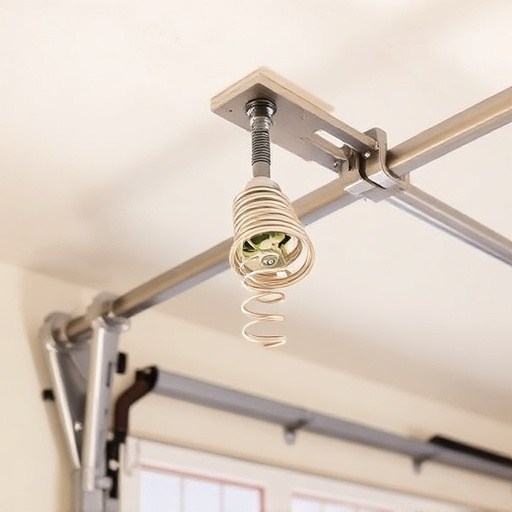
Choosing the right garage door springs is crucial for safe, reliable operation-especially in a climate like Tucson's, where extreme heat can impact spring life. A broken spring can leave your door stuck or even cause damage, making it vital to understand spring types and their limitations. You'll hear the telltale sign of a failing spring: the distinct broken spring sound. This guide cuts through the confusion, explaining high cycle springs and why they're ideal for heavy daily use. We'll navigate torsion vs. Extension springs, single vs. Double springs, and provide a step-by-step look at spring service calls, ensuring you're informed and protected.
- Understanding High-Cycle Spring Requirements
- Evaluating Spring Options for Heavy Use
- Installation and Safety: A Broken Spring Sound Warning
Understanding High-Cycle Spring Requirements
For heavy daily use, such as opening and closing a garage door multiple times a day, standard springs may not be sufficient. This is where high-cycle springs come into play. Understanding what makes these springs different and when to use them is crucial for ensuring your garage door operates safely and smoothly.
The primary distinction lies in their design and intended use. Torsion springs, commonly found on residential garage doors, are designed to handle the upward force of lifting the door, while extension springs are used to pull the door open and close. High-cycle springs are specifically engineered to withstand repeated cycles of extension and compression, making them ideal for heavy-use doors. Unlike standard springs, they can handle many more open-and-close operations without fatigue or failure, often lasting up to 25,000 cycles or more, depending on the material.
Choosing between galvanized and oil-tempered high-cycle springs depends on your specific needs. Galvanized springs, coated in zinc to protect against corrosion, are suitable for exterior applications and offer excellent durability in harsh weather conditions. Oil-tempered springs, on the other hand, are heat-treated for increased strength and flexibility, making them less prone to rust and ideal for environments with moderate to high humidity. A local Tucson garage door technician recommends considering spring materials based on local climate conditions. If you hear the broken spring sound frequently, high-cycle springs are likely a wise investment, ensuring your door operates reliably and safely.
Evaluating Spring Options for Heavy Use
Choosing the right springs for heavy daily use in your Vail-area home is crucial to ensure safety, longevity, and reliable operation of your garage door. One of the most common-and often alarming-signs that your springs need replacing is the telltale broken spring sound. This sound, usually accompanied by a sudden stop or jerk of the door, signals a potential safety hazard. Understanding the difference between torsion and extension springs can help guide your decision, as each type serves different door weights and has specific advantages.
Torsion springs, common in heavier doors, mount vertically above the door opening and utilize a tube and wire system to store energy. They offer smooth operation and are less susceptible to rust and corrosion, which can be a significant issue in our arid climate. Extension springs, on the other hand, run horizontally along the door and are often used on lighter doors. While they can be easier to install, they may require more frequent replacement due to wear and tear.
When considering high cycle springs for heavy daily use, several factors come into play. First, door weight plays a crucial role. A door weighing 1-3 tons, common in larger homes, will necessitate stronger springs, typically high-cycle springs designed for heavy-duty use. A local Tucson garage door technician recommends looking for springs with a higher spring rate, measured in pounds per inch (psi), to handle the increased strain.
The environment plays a significant role. The harsh, dry conditions in our region can accelerate spring corrosion and wear. Consider high-quality, oil-tempered springs that offer superior resistance to rust and corrosion, ensuring longevity and safety. Regular maintenance, including lubricating springs and checking for any signs of wear, can also extend their lifespan.
Installation and Safety: A Broken Spring Sound Warning
Choosing high-cycle springs for heavy daily use, such as on a ranch or barn style home in Oro Valley or Marana, requires a deep understanding of your door's weight and the local climate. In Tucson's hot environment, springs face additional challenges, so selecting the right type is crucial. When considering installation and safety, a broken spring sound is a critical warning sign. This sound, distinct and sudden, indicates a spring failure and should never be ignored.
Local Tucson garage door technicians recommend regular inspection to prevent such catastrophic failures. High-cycle springs, designed for intense use, offer a longer lifespan compared to standard springs, but they too have their limits. A heavy door in a hot climate may require a larger spring, possibly a double or even a high-cycle extension spring. It's essential to balance the spring's capacity with the door's weight to ensure optimal performance and safety.
When a broken spring sound occurs, immediate action is necessary. Never attempt DIY repairs if you're unfamiliar with the process, as the risk of injury is high. They will assess the situation, replace the faulty spring, and ensure the door is balanced and secure, preventing further damage or accidents in Vail or any other Oro Valley neighborhood. Regular maintenance and prompt attention to broken spring sounds can extend the life of your garage door system and keep your home safe.
Frequently Asked Questions About a guide to choosing high cycle springs for heavy daily use
What are high cycle springs, and why are they important?
High cycle springs are designed to withstand repeated loading and unloading cycles, making them crucial for applications with frequent use. They offer exceptional durability and strength, ensuring they can handle heavy daily use without fatigue or failure. This makes them ideal for demanding environments, like industrial machinery, automotive applications, and heavy-duty equipment.
How do I determine the appropriate spring rating for my application?
Spring rating, often measured in pounds (lbs) or kilograms (kg), indicates the maximum weight the spring can support. To choose the right rating, consider the weight of the load you'll place on the spring regularly. For heavy daily use, select a spring with a rating significantly higher than your expected load to ensure longevity and safety.
What factors should I consider when selecting a high cycle spring?
When choosing, prioritize material quality, spring design (e.g., straight or coiled), and spring dimensions. Material type significantly impacts strength and durability; stainless steel and high-quality carbon steel are common choices. Spring design and dimensions affect installation space and the spring's overall performance under load.
Can high cycle springs be installed and maintained easily?
Absolutely. Many high cycle springs are designed for straightforward installation, often requiring simple tools. Regular maintenance involves periodic inspection for signs of wear or damage and lubricating contact points to reduce friction. Proper installation and care ensure optimal performance and longevity.
Are there industry standards for high cycle springs?
Yes, various industry standards, such as those set by the American Society of Mechanical Engineers (ASME), guide the manufacturing and testing of high cycle springs. These standards ensure springs meet specific safety and performance criteria, providing a framework for quality and consistency in the industry.
How long do high cycle springs typically last in heavy use?
With proper selection, installation, and maintenance, high cycle springs can last for thousands of cycles, often exceeding one year under heavy daily use. Regular monitoring and upkeep are crucial to extending their lifespan, ensuring they remain reliable and safe for your application.
Choosing high-cycle springs for heavy daily use involves understanding specific requirements, evaluating spring options, and being attuned to safety cues. The key takeaway is that high-cycle springs are designed to withstand frequent, intense use, making them ideal for homes with heavy garage doors or frequent opening and closing. When considering spring options, factor in door weight and spring sizing, opting for oil-tempered springs in areas prone to corrosion. A broken spring sound remains a reliable warning sign, indicating the need for immediate professional service. Moving forward, prioritize safety by working with licensed local garage door repair services and following local building codes, ensuring your home's structural integrity and the well-being of your family.
Choosing the right springs for your Oro Valley or Marana home's garage door involves understanding door weight and local climate. In Tucson's hot conditions, high-cycle springs are crucial for heavy use. A broken spring sound is a warning sign requiring immediate professional attention; never attempt DIY repairs. Local experts like DC Roofing of Arizona can install and maintain springs, ensuring door safety and longevity.