
Garage door springs are the unsung heroes of our daily routines, keeping our cars safe and our entry points secure. Yet, these vital components can fail, leading to frustrating and potentially dangerous situations. When a spring breaks, the cost and complexity of replacement can be daunting for Tucson homeowners. Improper installation or subpar service can result in imbalanced doors, safety hazards, and long-term damage. This article provides a checklist for navigating the process, ensuring you understand the estimates you receive. We'll break down the factors influencing cost, discuss spring types and their lifespans, and offer insights on when to seek professional help, all with the goal of restoring your door's balance after spring work.
- Assessing Garage Door Spring Replacement Costs
- Understanding Door Balance After Spring Work
- Comparing Estimates: Key Questions to Ask
Assessing Garage Door Spring Replacement Costs
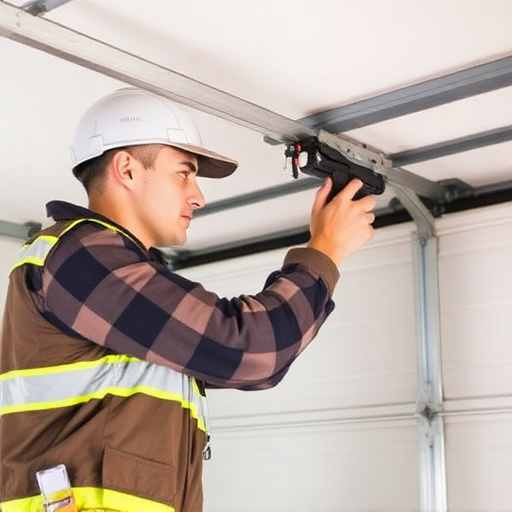
When assessing garage door spring replacement costs, a critical factor to consider is the balance of your door after the work is completed. The springs bear the brunt of your door's weight, and their condition directly impacts the door's functionality and safety. A skilled technician will ensure that your door is properly balanced, preventing excessive strain on other components and improving overall performance. This balance is crucial, especially in Tucson's heat, where springs can experience accelerated wear and tear.
Understanding the difference between torsion and extension springs is essential for any homeowner. Torsion springs, common in modern garage doors, are designed to resist weight by twisting around a horizontal axis. They offer a smooth, quiet operation and are generally more durable, especially in hot climates where galvanized springs can better resist rust and corrosion. On the other hand, extension springs, found in older doors, straighten out under tension, providing a different level of control over your door's movement. When comparing estimates, ensure the chosen spring type aligns with your door's needs and the local climate.
When comparing estimates from various garage door companies, like a licensed Tucson garage door company, consider the following: first, ask about the specific spring type recommended for your door and the reasons behind it. A reputable company will explain the difference between galvanized and oil-tempered springs, for instance, and why one might be more suitable for your situation. They should also discuss spring sizing, which is based on your door's weight, and the importance of matching springs to avoid safety hazards. Heavy doors require sturdier springs, and using the wrong size could result in a broken spring, a potentially dangerous scenario. Remember, the goal is to find a balance between cost and quality that ensures your door operates safely and smoothly for years to come.
Understanding Door Balance After Spring Work
When comparing garage door spring estimates, understanding the door balance after spring work is crucial. This involves evaluating the spring's ability to support your door's weight evenly. A balanced door operates smoothly and safely, preventing accidents and prolonging the life of the spring. After spring replacement, the door's balance may be affected, requiring a careful re-evaluation.
One key factor to assess is the winding cone. The winding cone, where the spring is attached to the door, must be secure and properly adjusted. An experienced service, like Eddies Garage Door Service, will ensure the cones are correctly positioned to maintain optimal balance. Safety cables play a vital role in door stability. These cables are designed to stop the door should the spring fail, so their integrity is essential.
Spring length is another critical aspect. Both extension and torsion springs have specific lengths that ensure proper door alignment. The right length, coupled with the correct spring gauge (or strength), directly impacts the door's balance. A spring that's too short or long can cause uneven weight distribution, leading to a lopsided door. This can result in noisy operation and, in extreme cases, safety hazards.
Before settling on an estimate, ask the service provider to demonstrate their understanding of door balance by explaining how they'll adjust the winding cones, inspect the safety cables, and select the appropriate spring length for your door. This level of detail reflects a professional's commitment to not only replacing the spring but also ensuring the door operates safely and smoothly after the work is done.
Comparing Estimates: Key Questions to Ask

When comparing estimates for garage door spring replacement, it's crucial to ask the right questions. These inquiries ensure not only that you understand the work involved but also that you're getting a fair, accurate quote. Key factors to consider include the door's balance after spring work, which can significantly impact the overall cost and performance.
Start by understanding the spring types. Extension springs, for instance, are common but may require specific safety considerations, like using extension spring safety cables. Galvanized springs, known for their corrosion resistance, can be a cost-effective choice, but they might not be suitable for all door weights. In contrast, high-cycle springs, designed for heavy doors, offer superior strength but come at a higher price. Ask each estimator about the spring length and whether they offer different options for single or double springs, as these variations affect both cost and installation time.
Next, examine the detail of the work. Inquire about the process for winding and converting the springs, especially if you have an insulated or wood door. Some companies may require additional steps, such as adjusting the torsion tube or replacing cone and anchor plates. Ensure the estimate includes all necessary parts, like springs, winding bars, and warranties. A well-run family-owned Tucson garage door business, for example, might offer competitive pricing and peace of mind due to their in-depth experience, so don't hesitate to ask about their process and any post-installation checks they perform to ensure the door balance is correctly adjusted.
Finally, get a clear timeline. Spring repair and replacement typically takes one to two days, but the complexity of your door and the time needed for parts to arrive can extend this. Ask about the time frame for the entire project and any additional services, such as lubricating the springs, which can improve their life and performance. By asking these detailed questions, you'll be better equipped to compare estimates and make a well-informed decision for your garage door spring replacement.
Frequently Asked Questions About a checklist for comparing garage door spring estimates
What is a garage door spring, and why is it important?
A garage door spring is a vital component of your garage door system, responsible for counteracting the weight of the door and enabling smooth opening and closing. There are two main types: extension springs and torsion springs. Both require professional replacement when worn, as they can snap and cause serious injury. A well-maintained spring extends the life of your garage door and ensures safe operation.
How do I know if I need to replace my garage door spring?
Signs of a faulty garage door spring include:
- Noisiness: Screeching, popping, or metal-on-metal sounds during operation.
- Door Sticking: Difficulty opening or closing the door.
- Door Off-Track: The door doesn't run smoothly along its tracks.
- Uneven Door Movement: The door tilts or sags when opening or closing.
- Visible Damage: Cracks, breaks, or kinks in the spring.
If you notice any of these issues, contact a licensed professional for an inspection.
What should I look for when comparing garage door spring estimates?
When comparing estimates, consider these key factors:
- Material Used: Spring type (extension or torsion) and quality of material directly impact cost and longevity.
- Labor Costs: Understand the time and labor involved in the repair or replacement, and be wary of excessively low estimates.
- Warranty: Ensure the estimate includes a warranty covering both parts and labor for a reasonable period.
- Reputation: Research the contractor's experience and online reviews to gauge their reliability and work quality.
How long should garage door spring replacement take?
Most garage door spring replacements take 1 to 2 days, depending on the complexity of the job and the contractor's schedule.
Are there any DIY options for garage door spring replacement?
We strongly advise against attempting to replace a garage door spring yourself. It's a dangerous task requiring specialized tools and expertise. Always hire a licensed, experienced professional for safety and guaranteed results.
What happens if I ignore a broken garage door spring?
Ignoring a broken garage door spring can lead to:
- Safety Hazards: Failure of the spring can cause the door to suddenly close, trapping individuals or objects inside.
- Garage Door Damage: A broken spring can cause further damage to the door itself and its components.
- Increased Cost: Ignoring the problem will likely result in more expensive repairs down the road.
As you've navigated through this guide, you've gained a comprehensive understanding of the door balance after spring work, the importance of comparing estimates, and the factors that influence garage door spring replacement costs in Tucson. The key insights here are profound: don't solely focus on the initial cost; consider the quality of materials, the experience of the service provider, and the long-term performance of the springs.
When comparing estimates, ask about spring types (torsion vs. Extension, single vs. Double), their capacity to withstand local heat conditions, and the potential for high cycle ratings. Inquire about warranties, safety cables, and the steps involved in balancing your door post-installation. Remember, a well-informed decision not only ensures a robust and reliable garage door system but also prevents future, costly repairs.
Your next steps? Create a checklist that includes these considerations, ensuring you get a thorough and tailored estimate. Compare multiple quotes, vet the contractors through local BBB or Tucson Homeowners Association resources, and prioritize safety by understanding spring rust and corrosion prevention. By doing so, you'll not only make a sound investment but also secure the safety and functionality of your home's garage door system.
When comparing garage door spring replacement costs, consider the impact on door balance after the work is completed. Skilled technicians ensure proper balance, preventing excessive strain and improving performance. Key factors include spring type (torsion vs. Extension), spring sizing, and winding cone adjustments. Ask service providers about their approach to door balance, spring selection, and installation to ensure a safe and smooth operating door.