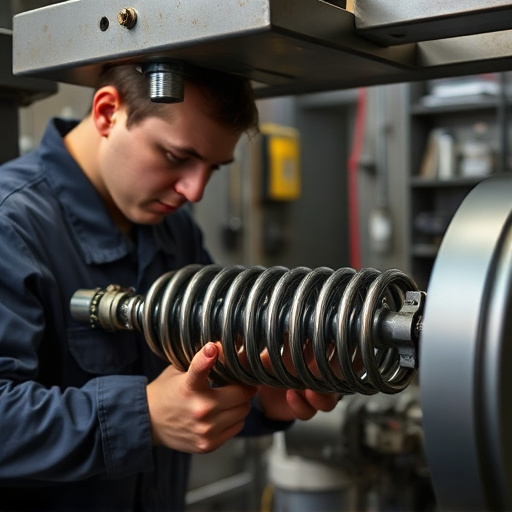
- Understanding Torsion Springs: Basic Function and Applications
- Extension Springs: Characteristics, Uses, and Sizing Considerations
- Spring Sizing by Door Weight: Ensuring Optimal Performance and Safety
Understanding Torsion Springs: Basic Function and Applications
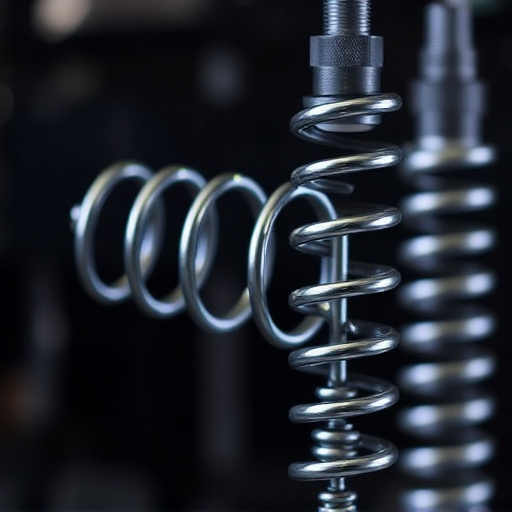
Torsion springs, a critical component in many garage door systems, are particularly prevalent in heavy-duty applications, such as those found in Tucson and Oro Valley. Unlike extension springs, torsion springs utilize a helical design to store and release energy, making them ideal for doors requiring significant lifting power. In these regions, where vehicles and heavy items are frequently lifted by garage doors, proper spring sizing by door weight is paramount.
The fundamental function of a torsion spring involves twisting around a rod, known as the axis, as the door raises. This twisting motion creates potential energy, which is released when the door lowers, providing the necessary force to keep the door balanced and stable. Powder-coated torsion springs, a common sight in Tucson, offer enhanced durability against rust and corrosion due to the arid climate.
When selecting or replacing torsion springs, door weight and cycle rating are key factors. Cycle ratings indicate the number of times a spring can be wound and unwound before wearing out, with higher ratings supporting heavier doors. Local building codes and door manufacturer guidelines often dictate spring sizing, ensuring safe and efficient door operation. Regular maintenance, including lubricating the springs, is vital to extend their lifespan.
Extension Springs: Characteristics, Uses, and Sizing Considerations
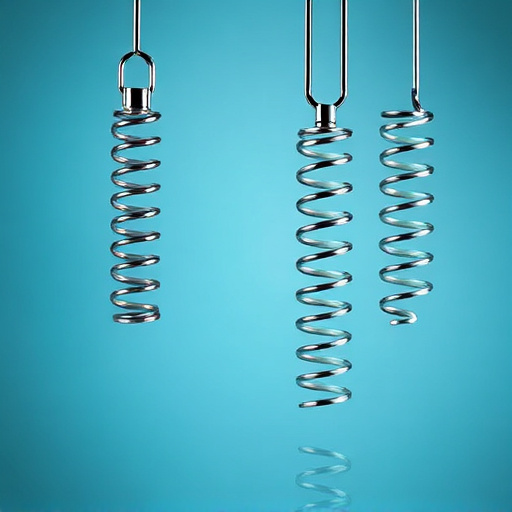
Extension springs, a fundamental element in many garage door systems, facilitate smooth, balanced movement by storing energy and absorbing shock. Unlike torsion springs, they operate by stretching to provide tension, making them suitable for doors opening and closing frequently. The primary consideration when selecting extension springs is the door's weight, emphasizing the importance of spring sizing by door weight.
Heavier doors require stiffer extension springs to provide sufficient resistance, while lighter doors may use springs with lower force ratings. A family-run Tucson garage door business recommends consulting a professional for tailored spring selection. Oil-tempered extension springs, known for their flexibility, are suitable for high-cycle applications, while galvanized springs offer superior corrosion resistance in the arid Tucson climate.
The cost of extension spring replacement in Tucson typically ranges from $150 to $300, depending on the door size, spring type, and whether both springs need to be replaced. Replacing both extension springs simultaneously is often recommended for balance and safety, especially in two-car garages. Unlike torsion springs, which are typically replaced one at a time, both extension springs are usually replaced together.
Spring Sizing by Door Weight: Ensuring Optimal Performance and Safety
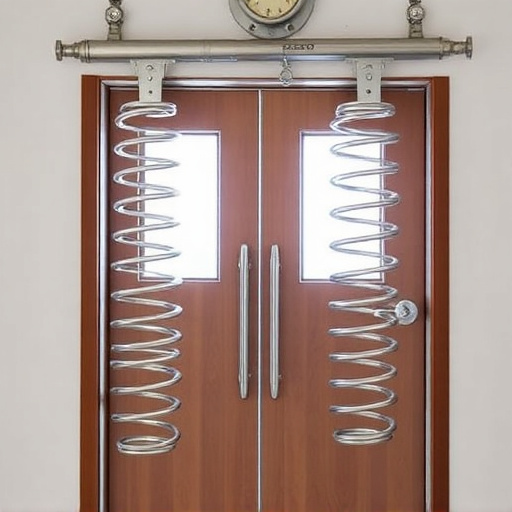
Selecting the appropriate garage door spring, especially when sizing by door weight, is crucial for both performance and safety in Tucson. Local building codes and climate conditions vary, making it essential to tailor spring selection. Heavier doors require stronger springs to maintain balance and safety, while lighter doors may use springs with lower force ratings.
Spring sizing involves matching the door's weight to the spring's rated weight capacity. A 300-pound door might require a 300-pound spring, while a two-car door could need a spring rated for 600 to 1000 pounds. The spring's wire gauge, or thickness, also plays a role, with oil-tempered springs suitable for heavier doors and galvanized springs offering better corrosion resistance for lighter doors.
When choosing between single and double garage door springs, consider the door's weight and the local building code requirements. Double springs, common for two-car doors, offer increased strength and longevity but may be more noisy and require more maintenance. Single springs, used for single-car doors, provide a more cost-effective solution. Always consult with a local garage door expert for spring selection that meets safety and performance standards.
Frequently Asked Questions
Q: What are torsion springs, and how do they work?
Torsion springs store energy in a helical design by twisting around a central axis. They provide consistent force throughout the door's motion, making them ideal for heavy doors. Powder-coated torsion springs are common in Tucson to protect against rust.
Q: How do extension springs differ, and where are they used?
Extension springs elongate under tension to provide force, commonly used in garage doors. They offer a linear force, making them suitable for doors opening and closing frequently. Lighter doors often use extension springs for cost-effective solutions.
Q: Which type of spring is better for a garage door system?
The choice depends on door weight and usage. Torsion springs are generally preferred for heavier doors due to their strength and safety features. Extension springs are suitable for lighter doors, offering a more economical option.
Q: How long do these springs typically last, and when should I replace them?
Spring lifespan varies with usage. On average, well-maintained springs last 5-10 years, but heavy use or poor maintenance can reduce this. Regular inspection and professional services can extend their life. Replace springs if you hear unusual noises or notice irregular door behavior.
Q: Can I install these springs myself, or is professional help required?
Installation complexity varies. Extension springs can sometimes be installed by DIYers, but torsion springs, especially for heavy doors, require professional expertise. They are under significant tension, and improper installation can be dangerous.
Key Takeaways:
- Torsion springs use a helical design for heavy-duty doors, while extension springs elongate to provide force.
- Spring sizing by door weight is critical for optimal performance and safety.
- Local building codes and door manufacturer guidelines dictate spring sizing.
- Regular maintenance, including lubrication, extends spring lifespan.
- Professional spring replacement services ensure safety and correct setup.