In Tucson, a functional garage door is not just about convenience; it's a safety measure and a significant investment. Spring failure is a common issue, often leading to costly repairs or replacements. Understanding spring replacement costs, especially the impact of spring rust and corrosion in our region's climate, is crucial for Tucson homeowners. This article offers a clear, authoritative guide to navigating the process, from identifying signs of spring failure to budgeting for repairs, ensuring you're prepared for one of the most frequent garage door service calls. By the end, you'll have a solid understanding of what to expect when dealing with broken garage door springs in Tucson.
- Understanding Spring Replacement Costs in Tucson
- Factors Influencing Spring Rust and Corrosion
- Budgeting for a Long-Lasting Spring Solution
Understanding Spring Replacement Costs in Tucson
Understanding Spring Replacement Costs in Tucson
When considering spring replacement, Tucson homeowners often wonder about the true cost of this essential service. The price can vary widely, influenced by factors like spring type, door weight, and the extent of rust and corrosion. In this section, we demystify these costs, focusing on the economic and practical aspects.
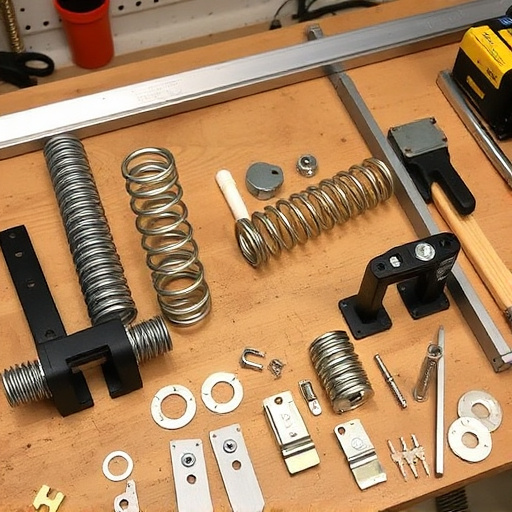
Let's begin with the types of springs. There are two primary types: torsion and extension. Torsion springs, common in Tucson homes, are more expensive to replace due to their complex winding mechanisms. Extension springs, while less costly, require careful handling as they store energy in a straight line. The choice between them depends on your door's design and weight. A heavy door might necessitate high-cycle springs, designed for frequent use, which carry a higher price tag.
Another critical factor is the cycle rating, which indicates a spring's lifespan under repeated stress. Springs with a cycle rating of 1-3, suitable for residential doors, are the most common. However, doors in areas with extreme temperatures, like Tucson's hot climate, may require springs rated for higher cycles, reflecting their increased wear and tear. The presence of rust and corrosion also drives up costs, as these issues weaken springs and necessitate more extensive repairs.
Eddies Garage Door Service, a local Tucson expert, recommends regular inspections to prevent costly emergency repairs. They emphasize the importance of balancing the door after spring work to ensure smooth operation. Understanding the difference between torsion and extension springs, along with the appropriate cycle rating for your door, can significantly impact the final estimate. Replacing both springs in a two-car door with a high cycle rating and addressing corrosion could cost several hundred dollars, but it ensures safety and longevity.
Factors Influencing Spring Rust and Corrosion

Spring rust and corrosion are significant concerns in Tucson's climate, posing challenges for garage door springs. The hot, dry air can accelerate the deterioration of metal, particularly for springs exposed to the elements. This phenomenon is a primary driver for spring replacement costs in the region.
Several factors influence the extent of spring rust and corrosion. One key factor is the spring's exposure to moisture and direct sunlight. Springs located at the top of the door, often more visible and less protected, tend to show signs of rust and corrosion faster than those at the bottom. The spring's material plays a role; steel springs, common in Tucson, are more susceptible to rusting than galvanized steel or oil-tempered springs. The latter are treated to resist corrosion, often extending their lifespan.
Another critical aspect is the spring's length and the door's weight. Longer springs support heavier doors, and excessive tension can lead to faster wear and tear. If a spring is too weak or has been compromised by rust, it may fail suddenly, posing safety risks. A broken spring can cause the door to fall, leading to property damage or personal injury. Therefore, regular inspections are vital, especially for older doors or springs. A family run Tucson garage door business recommends checking springs at least once a year and replacing them promptly when showing signs of rust and corrosion to prevent catastrophic failures.
Spring rust and corrosion can also be mitigated through proper maintenance. Lubricating springs with a silicon-based lubricant can reduce friction and protect against corrosion. Safety cables, which support the spring in case of a break, should be checked for wear and replaced if necessary. Regular cleaning and treatment with corrosion-inhibiting products can extend spring life. By understanding these factors, Tucson homeowners can better prepare for and budget spring replacement costs, ensuring their garage doors operate safely and reliably.
Budgeting for a Long-Lasting Spring Solution
When budgeting for a long-lasting spring solution in Tucson, it's crucial to understand the factors that contribute to the overall cost. One of the most significant considerations is the condition of your existing springs. Over time, springs can suffer from spring rust and corrosion, especially in areas with high humidity or salt in the air, like Marana. This deterioration can weaken the spring, leading to premature failure. When a spring breaks, it's not just a matter of replacing it; it often necessitates a complete door balance adjustment, adding to the overall repair cost.
A family run Tucson garage door business recommends that homeowners consider the material of the spring when budgeting. Galvanized springs, for instance, are a popular choice due to their resistance to spring rust and corrosion. While they tend to be more affordable than oil-tempered extensions springs, their longevity can vary. Oil-tempered extensions springs, on the other hand, offer superior strength and durability, making them a better investment in the long run, despite a higher upfront cost. The type of spring-single vs. Double, torsion vs. Extension-also matters in pricing. Double springs, for example, are more expensive than single springs, and torsion springs generally cost more than extension springs.
Spring replacement is a complex process that requires expertise. Attempting a DIY repair can seem appealing to save money, but it often leads to further damage and more costly repairs. Improperly lubricating springs can result in a misaligned door or even a broken spring. There are safety considerations, particularly with extension spring safety cables, that require professional knowledge. To ensure a safe and effective repair, Tucson homeowners should consider the extensive experience and specialized tools of a licensed local garage door repair service. This investment will not only protect your home but also contribute to a more reliable, long-lasting spring system.
Frequently Asked Questions About a Plain Language Look at Spring Replacement Costs in Tucson
What is the typical cost for spring replacement in Tucson?
In Tucson, the average cost for spring replacement varies based on the type of spring, the size of the property, and the complexity of the installation. Basic spring replacement for a standard residential property typically ranges from $150 to $350. However, if the spring is heavily damaged or if there are additional repairs needed, the cost could increase to $500 or more.
Do I need a professional to replace my spring, or can I do it myself?
While some homeowners may feel confident enough to replace a spring themselves, it's strongly recommended to hire a professional. Springs are under immense tension and can cause serious injury if handled improperly. A licensed Tucson roofing contractor, like DC Roofing of Arizona, has the expertise, tools, and safety equipment to complete the job efficiently and safely.
How long does it typically take to replace a spring?
Most spring replacements take one to two days, depending on the complexity of the job and the accessibility of the property. The roofer will need time to assess the situation, disassemble the old spring, install the new one, and perform any necessary adjustments and testing.
What types of springs are commonly used in Tucson homes?
Tucson homes typically use either coil springs or extension springs. Coil springs are the most common and are known for their durability and versatility. Extension springs are often used in more specialized applications, like garage doors. A qualified Tucson roofer can assess your specific needs and recommend the best type of spring for your property.
Are there any red flags I should look for that indicate my spring needs replacement?
Absolutely. Here are some red flags: your door or gate sticks or slams, there are noticeable gaps or misalignments, you hear unusual creaking or squeaking noises, or the spring appears damaged or broken. If you notice any of these issues, it's best to contact a professional roofer for an inspection.
How often should I have my spring checked and replaced?
Spring maintenance depends on several factors, including climate, usage, and the quality of the initial installation. As a general guideline, have your spring inspected annually and replaced every 7-10 years. Regular maintenance can help prevent costly repairs and ensure optimal performance.
What happens if I wait too long to replace my spring?
Waiting too long to replace a damaged spring can lead to several problems. It can cause excessive wear on other components of the door or gate system, leading to misalignment, excessive noise, and even structural damage. A failed spring can pose a safety risk, as it can cause doors or gates to suddenly close or fall.
For garage door springs in Tucson, understanding the cost, factors influencing rust and corrosion, and budgeting for long-lasting solutions are key to a successful replacement. The article has provided valuable insights into these areas, underscoring the importance of spring rust and corrosion as critical factors in determining the life of your door springs. By considering the type of spring (torsion vs. Extension), the number of springs (single vs. Double), and the door's weight, you can make informed decisions. Budgeting for professional service and quality springs can prevent costly future repairs. Moving forward, homeowners and sellers should prioritize regular inspections and prompt repairs when signs of failure emerge. This proactive approach, coupled with a clear understanding of spring replacement costs, ensures a safe, reliable, and efficient garage door system in Tucson's unique climate.
Tucson homeowners face varying spring replacement costs influenced by spring type, door weight, cycle rating, and spring rust and corrosion. Torsion springs are more expensive but common; extension springs are less costly but require careful handling. Spring rust and corrosion is a significant concern in the region's climate, accelerated by moisture and direct sunlight. Regular inspections and maintenance, including lubricating springs and replacing safety cables, can extend spring life. While DIY repairs may seem appealing, they can lead to further damage and more costly repairs. A licensed local garage door repair service offers expertise and specialized tools for a safe, reliable, and long-lasting solution.