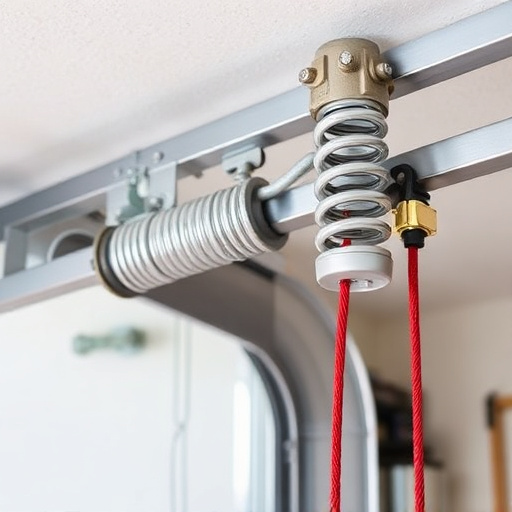
In the world of garage door maintenance, understanding the inner workings of your springs is crucial. Both torsion and extension springs play a vital role in the door's functionality and safety, but they operate differently. This article examines the distinct characteristics of these springs, highlighting their applications, maintenance, and the often-overlooked aspect of door balance after spring work. By the end, you'll grasp the importance of professional spring replacement, especially in our region where heat can impact spring lifespan. We'll explore why replacing both springs is often necessary, even for lighter doors, and provide insights into the various factors affecting spring choice and longevity.
- Understanding Torsion and Extension Springs
- How Spring Type Impacts Door Balance
- Optimizing Door Balance After Spring Work
Understanding Torsion and Extension Springs
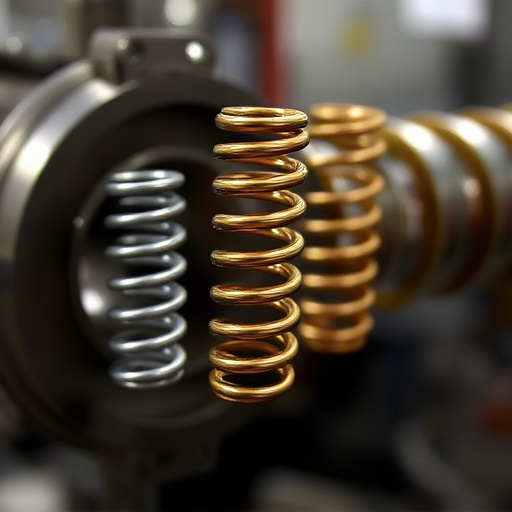
Torsion and extension springs are fundamental components of garage doors, each serving distinct purposes. Understanding these differences is crucial for both professionals and homeowners, as it impacts the door's performance, safety, and longevity.
Torsion springs, housed in a cylindrical tube, are designed to withstand high cycle rates, making them ideal for heavy doors or doors with large panels. They provide a consistent force throughout the door's opening and closing, ensuring a balanced operation. The wire gauge in torsion springs directly relates to their strength; heavier doors may require springs with a higher gauge for adequate support. These springs are often powder coated for rust prevention, a feature particularly relevant in Tucson's hot climate. After a garage door company serving Tucson and Oro Valley replaces or repairs a torsion spring, the door's balance will be significantly improved, leading to smoother operation and reduced strain on other components.
Extension springs, on the other hand, are straight springs that extend and contract to balance the door. They are typically used in lighter doors or doors with smaller panels. The spring length is a critical factor here, as it directly affects the door's tension and, consequently, its balance. Longer extension springs provide more tension, ensuring the door remains level and stable. Unlike torsion springs, extension springs are not typically coated, as they are less exposed to the elements.
When considering a spring replacement, it's essential to understand the specific needs of your door. A two-car door, due to its weight and size, may require a stronger torsion spring and possibly additional extension springs for optimal balance. The process of replacing these springs involves specific steps, including disassembling the door, removing the old springs, measuring and installing new ones, and finally, rebalancing the door. Homeowners attempting DIY spring repairs should be aware of the risks; incorrect installation can lead to dangerous situations.
How Spring Type Impacts Door Balance
The type of spring used in a garage door system plays a crucial role in maintaining door balance, especially after spring work or replacement. This is where torsion and extension springs, two common varieties, differ significantly. Let's examine the difference between torsion and extension springs and how they affect your door's stability.
Torsion springs, often found in larger, heavier doors, are designed to resist and control the door's upward motion. They wrap around a cylindrical tube, providing a powerful, constant force that keeps the door balanced as it opens and closes. On the other hand, extension springs, typically used in lighter doors, extend and contract to support the door's weight. They work by straightening out under tension, allowing the door to lift. The key difference lies in their mounting-torsion springs mount on a shaft at the door's header, while extension springs attach to the bottom of the door, usually at the bottom brackets.
When considering a garage door spring replacement in Tucson, or even in the neighboring Oro Valley, understanding these types is vital. After spring work, ensuring proper door balance is paramount. If you're replacing both springs, a professional like Eddies Garage Door Service will adjust the door's balance points to reflect the new spring configuration. This is crucial because the door must not sag or bind when opened or closed. An insulated door with a high cycle spring may require different balancing techniques than a standard wood door.
The choice between torsion and extension springs can impact the door's noise levels and longevity. Torsion springs, with their sealed coils, tend to be quieter and are less affected by outdoor elements like rust and corrosion, common in Tucson's hot climate. Extension springs, while potentially noisier, can be a more cost-effective solution for lighter doors. For door balance after spring work, the expert advice is clear: consult a local garage door specialist who can recommend the best spring type for your door's weight and design, ensuring a smooth, balanced opening for years to come.
Optimizing Door Balance After Spring Work
Optimizing door balance after spring work is crucial to ensure your garage door operates smoothly and safely. When replacing or adjusting springs, understanding the difference between torsion and extension springs is essential. These two types serve distinct purposes and have notable variations, particularly in their inside diameter and cycle rating.
Torsion springs, often found in larger, heavier garage doors, are designed to bear the full weight of the door. They have a cylindrical shape and wrap around a tube, offering consistent tension throughout their travel. In contrast, extension springs, common in lighter doors, extend and contract to provide lifting force. They are coiled helically and attach to the door at one end and the garage door track at the other.
After spring work, whether replacing both springs or just one, it's vital to reassess the door's balance. This involves adjusting the spring tension to match the door's weight distribution. If you've replaced a single spring, the door may now lean towards the side of the remaining spring. A licensed Tucson garage door company recommends checking the door's alignment and adjusting the spring's wind-up for a balanced operation. The cycle rating, which indicates the spring's lifespan based on the number of times it opens and closes, also plays a role. Higher-rated springs, rated 1-3, typically suggest improved durability and a longer lifespan, contributing to better door balance over time.
Frequently Asked Questions About an Explainer on Torsion and Extension Springs and How They Differ
What is the difference between torsion and extension springs? Torsion springs store energy in a helical wire, allowing them to release that energy suddenly, making them ideal for applications requiring a quick, powerful force. Extension springs, on the other hand, store energy by stretching, providing continuous force as they extend. They are commonly used in applications that require a constant, controlled force, such as in suspension systems.
How do torsion springs work in garage doors? Torsion springs are a critical component in garage door systems, particularly for heavy doors. They rotate on a shaft, providing the upward force needed to lift the door. As the door closes, the spring winds up, storing energy that is then released to assist in opening the door, making it easier to operate. This mechanism reduces the strain on the garage door opener, increasing its lifespan.
Are extension springs used in garage doors? While less common in residential garage doors due to their smaller size, extension springs can be found in some garage door systems, especially in commercial settings. They help support the door and provide a smooth, balanced opening and closing action. Their continuous force ensures that the door operates smoothly and safely, even under heavy loads.
What factors determine the size of a torsion spring? The size of a torsion spring is determined by the weight of the door and the desired opening speed. Heavier doors require larger springs to provide enough lifting force. The spring's wire diameter, wound length, and coil diameter all contribute to its strength and capacity. A professional garage door service, like Eddies Garage Door Service, can recommend the appropriate size based on specific door requirements.
How often should I replace my garage door springs? Garage door springs typically last between 10,000 to 15,000 cycles, which translates to 7 to 10 years under average use. However, factors like frequent opening and closing, extreme temperatures, and poor installation can reduce their lifespan. Regular maintenance, including lubricating the springs and checking for wear, can prolong their life. Most installations take one to two days, and it's recommended to consult a licensed professional, such as a Tucson garage door specialist, for timely replacement.
Can I replace garage door springs myself? While some homeowners may feel confident attempting basic garage door repairs, replacing springs is best left to licensed professionals. Springs pose a significant safety hazard due to their high tension, and improper replacement can lead to injury or property damage. A Tucson garage door company has the expertise and tools to replace springs safely and effectively, ensuring your garage door operates smoothly and securely.
Understanding the differences between torsion and extension springs is crucial for optimizing garage door performance and safety. Torsion springs, with their tubular design and internal wire, offer superior strength and are ideal for heavier doors, while extension springs, featuring a coiled wire, are more common and suitable for lighter doors. The choice between them directly impacts door balance, a critical factor in ensuring smooth operation and preventing accidents.
Proper door balance after spring work is a key takeaway. Whether replacing single or double springs, high-cycle springs, or addressing torsion tube problems, maintaining balance is essential. This involves careful spring sizing based on door weight, consideration of oil-tempered vs. Galvanized springs for durability, and sometimes, the use of cone and anchor plates for added stability.
For DIY enthusiasts, while the article highlights the dangers of DIY spring repair, it also offers practical guidance on identifying signs a spring is failing, such as the distinctive broken spring sound. However, for complex cases or heavy doors, it's advisable to call a licensed professional, like Eddies Garage Door Service, to ensure safe and effective spring replacement and door balance adjustment.
In the end, the article's insights empower Tucson homeowners and garage door specialists alike to make informed decisions, ensuring the longevity and safety of garage door systems. By prioritizing door balance after spring work, residents can mitigate risks and enjoy the quiet, reliable operation of their garage doors, backed by the expertise of local professionals like those affiliated with the Tucson Homeowners Association and the Tucson Better Business Bureau.
Torsion vs. Extension Springs: Optimizing Garage Door Balance
Understanding the differences between torsion and extension springs is vital for garage door maintenance. Torsion springs, cylindrical and powerful, support heavy doors, providing consistent force for balanced operation. Extension springs, straight and coiled, balance lighter doors by extending and contracting. After spring work, rebalancing is key; professionals like Eddies Garage Door Service adjust tension and wind-up for optimal door alignment. The cycle rating of springs, indicating lifespan, also influences door balance over time, especially in Tucson's climate.