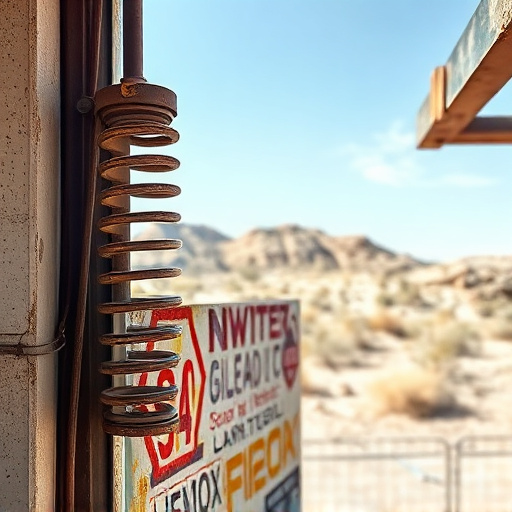
Understanding garage door spring replacement costs is crucial for Tucson homeowners, given the potential safety risks and the impact on your home's value. The wrong spring size for your door can lead to malfunctions, injuries, or even structural damage. This checklist is designed to empower you, providing a step-by-step guide to compare estimates and make informed decisions. We'll examine essential factors like spring sizing by door weight, the distinction between torsion and extension springs, and the importance of professional installation to ensure your garage door operates safely and efficiently.
- Understanding Garage Door Spring Sizing
- Compare Estimates: Key Factors to Consider
- Choosing the Right Spring for Your Door Weight
Understanding Garage Door Spring Sizing
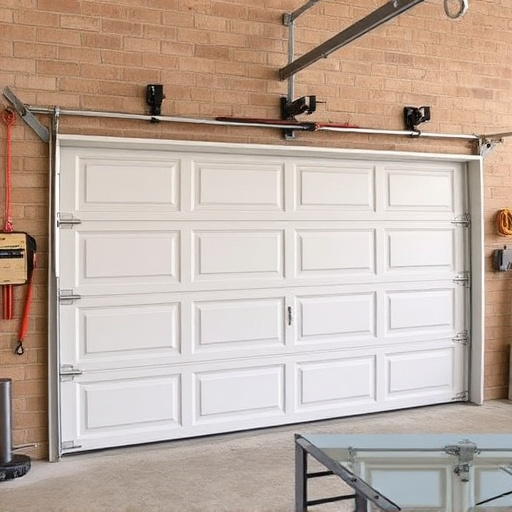
Choosing the right garage door spring for your home in Vail is crucial for safety, door balance, and longevity. Spring sizing by door weight is a critical consideration, as it ensures optimal performance and prevents premature wear. An experienced Tucson garage door installer recommends evaluating your door's weight to select springs capable of supporting its load. A heavier door may require stronger springs with a higher weight rating.
The two primary types of garage door springs are extension and torsion springs. Extension springs, common in older homes, are measured by their inside diameter and length. They work by straightening under tension to lift the door. Torsion springs, often used in modern homes, have a spring-winding bar that rotates to open the door. Safety cables run through the torsion tube to prevent the spring from unwinding too far, providing a critical safety feature. The size of torsion springs is measured in pounds, reflecting their capacity to withstand the door's weight.
When comparing estimates, ask each garage door service provider about the specific spring size and type they recommend. They might suggest springs rated for your door's weight, the number of cycles expected (high-cycle springs for frequent use), and whether they include safety cable replacement. Consider the material of the springs, with oil-tempered springs offering greater flexibility and resistance to rust in the local climate, while galvanized springs are more affordable and suitable for lighter doors. Proper spring sizing by door weight, combined with regular maintenance, ensures your garage door operates smoothly, quietly, and safely.
Compare Estimates: Key Factors to Consider

When comparing garage door spring estimates, it's crucial to consider several key factors that will ensure you're getting a fair and accurate price for your repair or replacement. First, let's discuss spring sizing by door weight. A licensed Tucson garage door company will assess your door's weight and recommend a spring capable of supporting it. Heavier doors require stronger springs, and the wrong size can lead to unsafe operation or premature failure.
Two primary types of springs exist: extension and torsion. Extension springs, common in older homes, are measured by spring length and wire gauge. Longer springs with larger gauge wire typically offer greater strength. Torsion springs, found in most modern doors, are measured by winding cones and are typically rated by spring cycle. When comparing estimates, ask each service provider to detail the spring type, model, and specifications to ensure comparability.
Another vital factor is the overall service call. Costs should include labor and parts, with a clear breakdown of each. Some companies may charge by the spring, while others offer packages. Compare these packages to ensure you're not paying for unnecessary services. If your door only needs spring replacement, avoid paying for a complete service package that includes balance adjustments or other routine maintenance.
Lastly, consider the reputation and warranties offered. Check with the Tucson Better Business Bureau (BBB) and read online reviews to gauge each company's reliability and customer satisfaction. Inquire about spring warranties; some manufacturers offer extended coverage for specific types of springs. This step ensures you're protected against future issues and provides peace of mind.
Choosing the Right Spring for Your Door Weight
Choosing the right garage door spring for your specific door weight is a crucial step in ensuring a safe, efficient, and trouble-free garage door system. The spring's strength, or its ability to withstand tension, directly correlates with the weight of the door. Heavier doors require stiffer springs, while lighter doors can be supported by springs with lower tension. Spring sizing by door weight is essential to prevent excessive stress on the spring system, which can lead to premature failure, loud noise, and safety hazards, such as a spring breaking off and injuring someone.
When evaluating estimates, ask each garage door service provider you're considering about the spring gauge (or strength) and wire gauge recommended for your door. A standard 1-car garage door in Tucson typically weighs between 200-400 pounds. A spring with a 165-pound gauge (measured in pounds per inch of length) might be suitable for a lighter door, while a 205-gauge spring is more appropriate for a heavier door. Higher gauge numbers indicate a stronger spring. Consider the type of spring: extension springs, which are common, or torsion springs, often used in larger doors.
The right spring choice not only ensures your door operates smoothly but also contributes to the longevity of your garage door system. Using a spring too weak for your door could lead to frequent repairs and replacement, while over-tightening can cause unnecessary wear and damage. For specific door weight requirements and local building codes, consult with a licensed professional like Eddie's Garage Door Service, who can offer expert guidance tailored to your Tucson home.
Frequently Asked Questions About a checklist for comparing garage door spring estimates
What is the purpose of a garage door spring estimate? A garage door spring estimate provides a detailed breakdown of the cost to repair or replace your garage door springs. It includes labor, materials, and any additional services, ensuring you understand the full scope of the work and enabling informed decision-making.
How often should I get a garage door spring estimate? It's advisable to get a garage door spring estimate at least once every 5-7 years, or whenever you notice signs of wear or frequent jamming. Regular maintenance can often prevent the need for costly emergency repairs.
What should be included in a garage door spring estimate? A comprehensive estimate should cover the cost of new springs, spring installation or replacement, labor, safety devices, and any necessary adjustments. It should also detail the type of springs recommended, their expected lifespan, and warranty information.
How can I ensure I'm getting a fair estimate? Compare multiple estimates from licensed and insured contractors. Ask for references and verify their experience. Ensure the estimate includes all necessary work and is itemized for clarity. Don't be pressured into accepting a quote without understanding all costs involved.
What if my garage door spring broke at night or on a weekend? Many reputable contractors offer 24/7 emergency services. Don't risk safety trying to fix it yourself; contact a professional who can provide a swift and safe solution, even outside regular business hours.
Can I replace garage door springs myself? While some people may be handy enough, replacing garage door springs is a specialized task. It requires tools and knowledge to ensure safety. Unless you're confident in your abilities, it's best to hire a licensed professional for accurate and safe installation.
As you've navigated this practical guide, you now possess the knowledge to critically compare garage door spring estimates. By understanding the importance of spring sizing by door weight, you can ensure the right spring is chosen for your specific needs. Key factors to consider include spring type (torsion vs. Extension), the number of springs (single vs. Double), and signs of spring failure. Remember, a broken spring can be dangerous, so always consult a licensed professional like DC Roofing of Arizona for accurate estimates and safe repairs.
Moving forward, take these practical steps:
- Assess Door Weight: Begin by measuring your door's weight to determine the appropriate spring size.
- Compare Estimates: When receiving quotes, ask about spring types, quantities, and warranties.
- Prioritize Safety: Never attempt DIY repairs; trust experienced local garage door repair services like HomeAdvisor to handle high-cycle springs and heavy doors.
By following these guidelines, you'll be well-equipped to make informed decisions regarding your garage door spring replacement, ensuring both safety and longevity.
Choosing the right garage door spring for your Tucson home depends on your door's weight. Spring sizing by door weight prevents premature wear, ensures safety, and maintains door balance. Ask installers about spring gauge, wire gauge, and type (extension or torsion) for a suitable match. Using the wrong spring can lead to frequent repairs, so consult with a licensed professional for expert guidance.