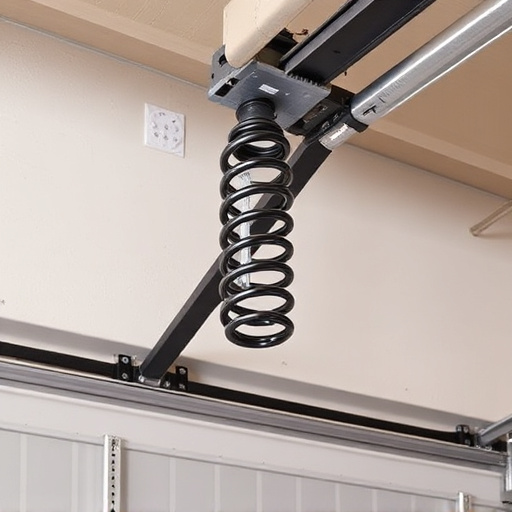
A functioning garage door is non-negotiable for many Tucson homeowners. A broken spring, a common issue, can leave your door stuck or unusable, impacting your daily routine and security. When a spring repair is necessary, balancing the door afterward is crucial to ensure safety and smooth operation. This article provides expert advice on this often-overlooked step after spring replacement, focusing on the role of cone and anchor plates in achieving proper balance. We'll guide you through the process, ensuring your door operates safely and efficiently after repairs.
- Understanding Garage Door Balance: Cone and Anchor Plates
- Step-by-Step Balancing: A Practical Guide
- Ensuring Safety and Stability: Post-Spring Repair Checks
Understanding Garage Door Balance: Cone and Anchor Plates
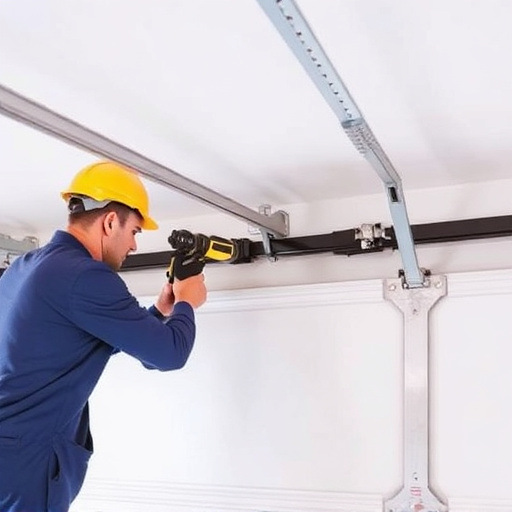
After a garage door spring repair, getting the door to balance correctly is crucial. This involves understanding the role of cone and anchor plates, which act as the door's support system. These plates are strategically placed to distribute the door's weight evenly, ensuring smooth operation and safety.
Cone and anchor plates come into play during the spring replacement process, especially when selecting the appropriate springs for your garage door. The choice between single and double springs depends on various factors, including the door's weight and the local building codes. Heavier doors often require double springs, which provide additional strength and stability. When selecting springs, consider their cycle rating, a measure of their durability under repeated use. Spring ratings typically range from 1 to 3, with higher ratings indicating superior performance and longer lifespan. Eddies Garage Door Service recommends consulting with a local expert to determine the best spring option for your specific door.
Proper installation and adjustment of the new springs are key. Safety cables, which attach to the cone and anchor plates, must be securely fastened to prevent any accidental release of the springs. This step ensures the safety of everyone in the household. Once the springs are in place, the door's balance can be fine-tuned. This involves adjusting the tension on the springs until the door moves smoothly and levels out. If one side of the door is lower than the other, the springs on that side may need to be tightened to restore balance. Regular maintenance, including periodic spring lubrication, will also contribute to the door's overall stability and longevity.
Step-by-Step Balancing: A Practical Guide

After repairing or replacing a garage door spring, getting the door to balance correctly is crucial. This step-by-step guide will help you achieve that, ensuring your garage door operates smoothly and safely. The process involves adjusting the tension on both the extension spring and, in some cases, the torsion springs, which are often found in heavier doors.
First, ensure you have the proper tools, including a spring winder, a level, and a measuring tape. Next, locate the cone and anchor plates, which are key components in the spring system. These plates transfer the spring's force to the door. Adjust the spring's tension by loosening or tightening the screws on the cone plates. For extension springs, you'll typically find these plates at each end of the spring. In the case of a two-car door with dual extension springs, you may need to balance the tension between the two sides for even door movement. If your door is particularly heavy, consider using high-cycle springs or additional support brackets for better durability.
Once the spring tension is set, check the door's balance by opening and closing it several times. Listen for any unusual noises and ensure it moves smoothly and evenly. If the door still feels off, double-check your measurements and adjustments. A local Tucson garage door technician can offer expert advice if you encounter any issues. Remember, balancing a garage door is a delicate process, and getting it right ensures the door's safety and longevity, preventing future problems like uneven wear or sudden failures.
Ensuring Safety and Stability: Post-Spring Repair Checks

After a garage door spring repair, ensuring the door balances correctly and operates safely is paramount. The initial step in this process involves inspecting the cone and anchor plates, which serve as the critical connection points for the springs. These components must be secure, properly aligned, and free from any signs of wear or damage. A local garage door technician, like those at Eddies Garage Door Service, will often replace these parts if they are worn, as they play a significant role in the door's stability and safety.
The next critical aspect is the door's balance. A well-balanced garage door operates smoothly and efficiently, while an imbalanced one can lead to safety hazards and early spring failure. To achieve balance, the weight of the door must be evenly distributed. This is achieved by adjusting the tension on both springs, which is a specialized task that requires precise wire gauge adjustments. Heavier doors often need stronger springs and may require additional support hardware.
Regular oiling of the springs is another essential post-repair consideration. Oil-tempered springs, common in Tucson's climate, require lubrication to prevent rust and corrosion, which can significantly shorten their lifespan. Applying the correct amount of lubricating oil to the spring's moving parts, accessible through the spring winding bars, is crucial. Over-lubrication can attract dirt and debris, while under-lubrication can lead to excessive friction and wear.
Checking the spring cycle ratings and torsion tube problems is vital. High-cycle springs, designed for heavy doors, should be replaced according to the manufacturer's guidelines, which often differ from standard springs. Torsion tubes, part of the spring assembly, can develop issues over time, leading to a failing spring system. A thorough inspection by a licensed technician will ensure these components are in good condition and predict potential future problems.
Frequently Asked Questions About advice on balancing a garage door after a spring repair
What is the purpose of balancing a garage door?
Balancing a garage door ensures it operates smoothly and safely. After a spring repair, re-balancing is crucial to prevent future issues. An imbalanced door may experience erratic movement, put excessive strain on the new spring, and pose a safety risk by potentially slamming shut or failing unexpectedly. Proper balancing ensures the door closes quietly, at a consistent speed, and in a controlled manner.
How do I know if my garage door needs balancing?
Signs your garage door may require balancing include: irregular closing patterns, a door that sways or vibrates when closing, or a door that fails to align properly with the floor. A licensed Tucson garage door specialist can perform a thorough inspection to determine if balancing is needed.
What happens if I don't balance my garage door after a spring repair?
Failing to balance a garage door after a spring repair can lead to several problems. The door may become difficult to operate, putting you at risk of injury or property damage. An imbalanced door can place unnecessary stress on the new spring, potentially leading to premature failure and the need for another costly repair.
What tools do I need to balance my garage door?
Most garage door balancing can be accomplished with basic tools, including a torque wrench (to tighten springs safely), a level (to ensure proper door alignment), and a string or tape measure (to check for symmetry). Some complex balancing situations may require specialized tools or the expertise of a professional.
How long does garage door balancing typically take?
Most balancing jobs take between 30 minutes and 2 hours, depending on the door's complexity and the extent of the imbalance. Simple adjustments can be made quickly, while more involved situations may require additional time and parts.
Can I balance my garage door myself or should I hire a professional?
While some DIYers may feel comfortable attempting basic balancing, complex spring adjustments and safety considerations often necessitate professional help. A licensed Tucson garage door technician has the expertise and tools to ensure the door is safely and properly balanced.
After completing the critical steps of replacing garage door springs, balancing the door becomes essential to ensure safe and stable operation. The key to achieving this lies in understanding and correctly utilizing cone and anchor plates, which serve as the foundation for proper door alignment and weight distribution. By following a systematic approach, homeowners and professionals alike can fine-tune the door's balance, preventing future issues and ensuring a smooth, secure ride every time it's opened or closed. Regular checks and adjustments, guided by the knowledge of cone and anchor plate functionality, are the practical next steps to maintaining a well-balanced garage door, enhancing both safety and longevity.
After repairing or replacing garage door springs, achieving proper balance is crucial for safety and door performance. This involves understanding and adjusting cone and anchor plates, which support the door's weight. The process includes:
- Inspecting and replacing worn cone and anchor plates for stability.
- Adjusting spring tension for even door weight distribution.
- Regularly lubricating springs to prevent rust and corrosion.
- Inspecting spring cycle ratings and torsion tubes for potential issues.
Following these steps ensures a well-balanced, safe, and durable garage door system. Consult with a licensed Tucson garage door technician for expert advice.