- Understanding Heavy-Duty Spring Requirements
- Key Factors in High Cycle Spring Selection
- Ensuring Safe Installation and Maintenance
Understanding Heavy-Duty Spring Requirements
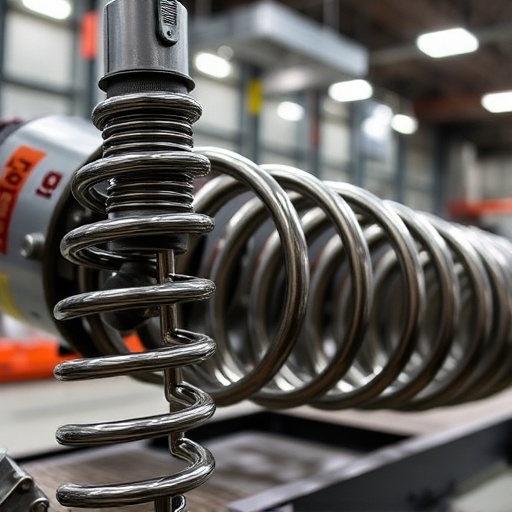
Choosing the right springs for heavy daily use involves understanding the unique demands placed on garage doors in our region. In Tucson, with its distinct climate and varying door weights, selecting high-cycle springs requires a deeper examine their construction and performance characteristics. A family-run Tucson garage door business often encounters doors that see significant use, from opening and closing multiple times daily to withstanding heavy loads from larger vehicles. In such cases, standard springs may not withstand the strain, leading to frequent replacements and potential safety risks.
Extension springs, a common choice for heavy-duty applications, are designed to handle high tension and cycles. When selecting these springs, consider the cycle rating - a measure of how many times a spring can be compressed and extended before failing. Higher cycle ratings indicate superior durability. A 16,000 cycle rating spring can support more use than one with 8,000 cycles. The inside diameter and wire gauge play crucial roles. Thicker wire (higher gauge) means stronger springs, but also a larger diameter that might affect clearance within the door frame. Balancing these factors ensures the springs can support the door without compromising safety.
Proper spring selection is key to preventing torsion tube problems and ensuring extension spring safety cables remain intact. These cables prevent the spring from unwinding and breaking, which could cause serious injury. A door with a heavy load due to frequent use of a large SUV might require springs with a higher wire gauge and a larger inside diameter to maintain stability. Regular maintenance, including lubricating the springs, can extend their lifespan and reduce the need for frequent replacements, saving both time and money.
Key Factors in High Cycle Spring Selection
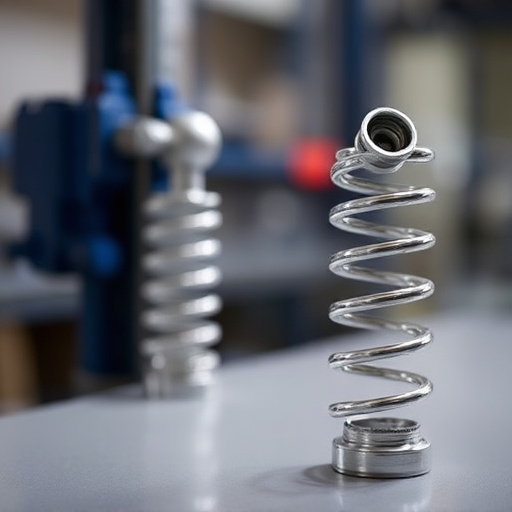
Choosing the right extension spring for heavy daily use involves considering several key factors. In Tucson's desert climate, where temperatures can soar, selecting a spring that can withstand both high stress and heat is crucial. The primary difference between torsion and extension springs lies in their design and application. Extension springs, for instance, are compressed or stretched to store energy, making them ideal for tasks requiring repeated cyclic loading, like garage doors.
When selecting a high cycle spring, start by understanding the door weight. Heavier doors require stronger springs, often made from materials like oil-tempered or galvanized steel. The spring's size, measured in pounds per inch (psi), should match the door's weight to ensure safety and longevity. A 2-car garage door weighing 500 pounds would need springs rated for at least 3000 psi. It's also important to consider the spring's cycle life, which indicates how many times it can be compressed and stretched before failing. In Tucson, where heat can accelerate spring wear, choose springs with a higher cycle rating.
Safety is paramount. Extension spring safety cables are an essential component, providing a fail-safe mechanism to prevent spring breakage and potential injury. Regular inspection and maintenance are vital, especially in harsh environments like Tucson's. A family-run Tucson garage door business, for instance, recommends inspecting springs at least once a year and replacing them every 5-7 years, or sooner if showing signs of wear. Regular lubrication can also extend spring life by reducing friction. By understanding these key factors, Tucson homeowners can make informed decisions when choosing high cycle springs for their daily use.
Ensuring Safe Installation and Maintenance
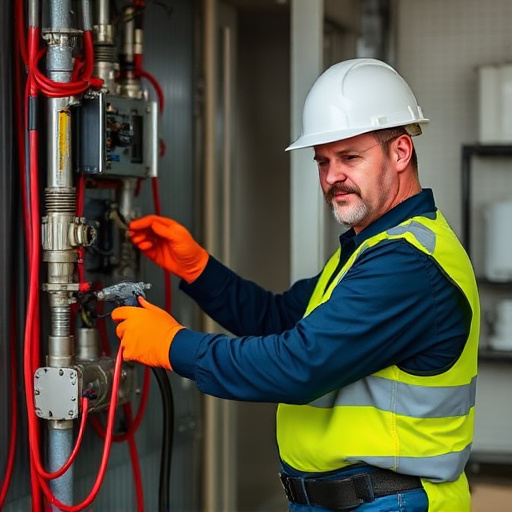
When selecting high cycle springs for frequent daily use, proper installation and ongoing maintenance are paramount to ensuring safety and longevity. Understanding the difference between torsion and extension springs is crucial for this purpose. Extension springs, like those commonly used on heavy garage doors in Tucson and Oro Valley, are designed to store and release energy, providing the force needed to open and close your door. High cycle springs, specifically engineered for intense, repeated use, offer superior strength and durability.
A garage door company serving Tucson and Oro Valley emphasizes the importance of proper winding cones during installation. These cones guide the spring's coils, preventing twisting and misalignment. Inadequate winding can lead to spring failure, so following manufacturer guidelines strictly is essential. Using extension spring safety cables adds another layer of protection. These cables prevent the spring from unwinding suddenly in case of a mechanical malfunction, reducing the risk of property damage or personal injury.
Regular maintenance, including inspecting springs for signs of wear, rust, or corrosion, is vital. A licensed Tucson roofing contractor recommends lubricating springs periodically to reduce friction and extend their lifespan. Keep an eye out for a broken spring sound or noticeable changes in your door's balance-these could be indicators of spring failure. Remember, high cycle springs, while durable, still require attentive care to maintain optimal performance and safety.
Frequently Asked Questions
What are high cycle springs, and why are they important?
High cycle springs are designed to withstand repeated compression and decompression cycles, making them ideal for applications involving frequent loading and unloading, like heavy daily use. They offer superior durability and strength compared to standard springs, ensuring longevity and reliability even under extreme stress. These springs are crucial for maintaining the efficiency and safety of systems in demanding environments.
How do I determine the appropriate spring rate for my application?
The spring rate, measured in pounds per inch (psi), indicates the force required to compress or extend the spring by an inch. For heavy daily use, you should consider the total weight and movement of the load. Calculate the weight and the distance the springs need to travel. Consult a professional or refer to manufacturer guidelines to find the spring rate that can handle this load without excessive stretching or compression.
Are there any industry standards or regulations for high cycle springs?
Yes, several industry standards and regulations govern spring design and testing. ASME B40.106 establishes standard methods for testing and rating metallic springs. Adhering to these standards ensures that the chosen springs meet safety and quality requirements, especially in critical applications like automotive, industrial machinery, and heavy equipment.
What materials are typically used for high cycle springs?
High cycle springs are usually made from high-strength metals like music wire (carbon steel), stainless steel, or brass. These materials offer excellent elasticity and resistance to fatigue, ensuring they maintain their shape and strength even after countless cycles. Some springs may also incorporate special coatings or heat treatment processes to enhance corrosion resistance or mechanical properties.
How do I know if a spring is suitable for my specific application?
Consider factors like the load weight, operating temperature, environmental conditions, and required spring life. Test the spring within its specified range to ensure it meets your performance criteria. Consult with a spring manufacturer or a qualified engineer to select the best high cycle spring for your application, ensuring it aligns with industry standards and your safety requirements.
Choosing high-cycle springs for heavy daily use involves understanding specific requirements, selecting the right factors, and ensuring safe installation and ongoing maintenance. Key takeaways include the importance of spring cycle ratings, which reflect the number of times a spring can be fully extended and compressed before wearing out. For heavy daily use, such as on two-car garage doors, consider high-cycle springs with ratings of 10,000 cycles or more. Oil-tempered springs offer enhanced durability and strength compared to galvanized springs, making them suitable for extreme conditions like Tucson's heat.
Extension spring safety cables, designed to prevent catastrophic failure, are essential accessories. Regular maintenance, including lubricating springs and checking for signs of rust or corrosion, prolongs spring life. The article underscores the dangers of DIY spring repair, emphasizing that torsion tube problems and issues with cone and anchor plates require professional attention.
In informed decisions regarding high-cycle springs can significantly impact the safety, performance, and longevity of your garage door system. By following these guidelines and leveraging the expertise of local professionals, such as those at DC Roofing of Arizona, you ensure your door operates smoothly and securely for years to come.