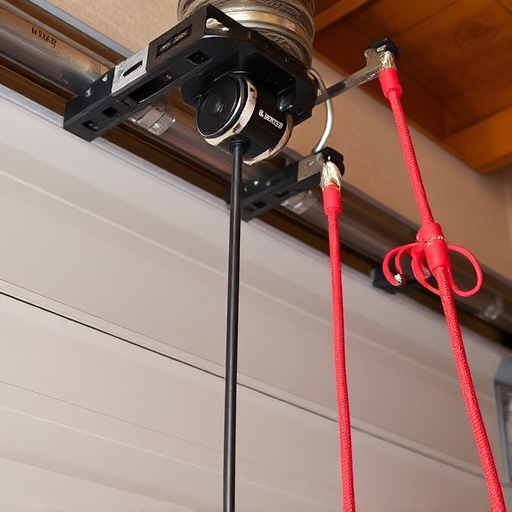
Choosing the right springs for heavy daily use is crucial for your Tucson garage door's safety, longevity, and smooth operation. Springs, the powerful mechanisms that support and balance your door, take a significant pounding each day. Over time, this wear can lead to spring failure, posing potential safety risks. Replacing springs is often necessary, and understanding the options is key. This guide examines the intricacies of selecting high-cycle springs, specifically tailored for heavy doors, ensuring a secure and efficient garage door system. We'll explore why both torsion and extension springs matter, the signs of a failing spring, and the benefits of upgrading to high-cycle springs, among other essential considerations.
- Understanding Heavy Door Spring Requirements
- Key Factors for High Cycle Spring Selection
- Installation and Maintenance Best Practices
Understanding Heavy Door Spring Requirements
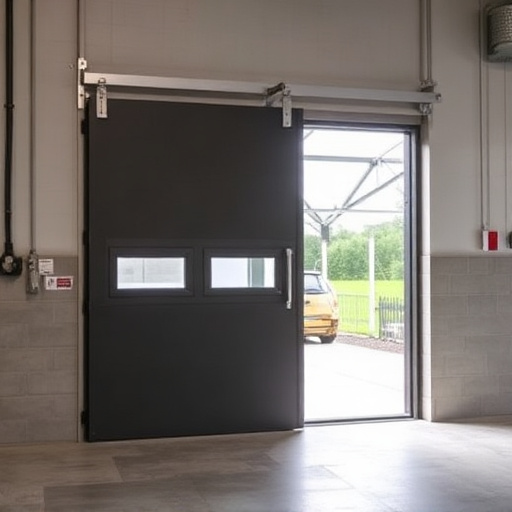
For heavy daily use, selecting the right springs for your garage door is paramount. In the scorching desert heat of Tucson, understanding your door's weight and the distinction between torsion and extension springs becomes crucial for reliable, long-lasting performance.
Garage doors in our region often face greater challenges due to the climate. The intense heat can accelerate spring wear and tear, necessitating more frequent replacements. That's why springs for heavy doors must be chosen wisely. First, assess your door's weight, as this directly impacts the spring's capacity to withstand daily stress. Heavier doors require stiffer springs, typically made from higher-grade materials like oil-tempered steel, to maintain balance and stability.
Tucson homeowners often opt for torsion springs over extension springs for their heavy doors. Torsion springs, housed in a cylindrical tube, offer several advantages in our climate. They are less susceptible to rust and corrosion, common issues in the arid environment, and they can support higher door weights. Extension springs, on the other hand, are coiled linearly and may not handle the extreme heat as well as their torsion counterparts. A local Tucson garage door specialist recommends considering the door's weight, the local climate, and the spring's cycle rating when making this decision. A two-car door in a desert area might require a stronger torsion spring with a higher cycle rating to endure the frequent use and extreme temperatures.
Key Factors for High Cycle Spring Selection
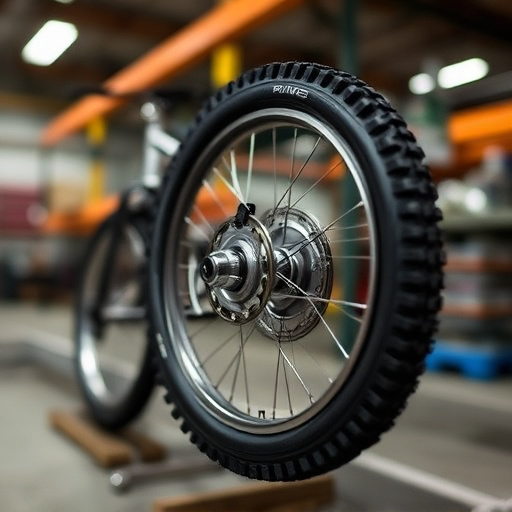
Choosing the right springs for heavy doors is crucial for safety, performance, and longevity. When daily use demands significant strain, selecting high cycle springs becomes an essential task. These springs are designed to withstand repeated cycles, making them ideal for frequent opening and closing, a common occurrence in many Tucson homes.
Several key factors guide the selection process for heavy-duty applications. First, consider the door's weight. Heavier doors require stronger springs, which often translates to torsion springs or, for extremely large doors, a combination of single and double springs. The type of spring-torsion or extension-also plays a vital role. Torsion springs, common in residential garage doors, offer a compact design and are generally more suitable for heavy doors due to their ability to handle high loads. Extension springs, on the other hand, are best for lighter doors or specific applications where a longer spring length is required.
Another critical aspect is the spring's cycle rating. This rating indicates the number of times a spring can be wound and unwound before fatigue sets in. For high-use doors, look for springs with higher cycle ratings, typically 10,000 cycles or more. This ensures the springs can endure frequent use without compromising strength. Think about the center bearing, a crucial component that connects the spring to the door. A high-quality center bearing can extend the life of your springs and ensure smooth, balanced door operation. When replacing or selecting springs, keep in mind that a licensed Tucson garage door company recommends considering the door's overall design, including its weight, size, and usage pattern, to make the best choice.
Installation and Maintenance Best Practices
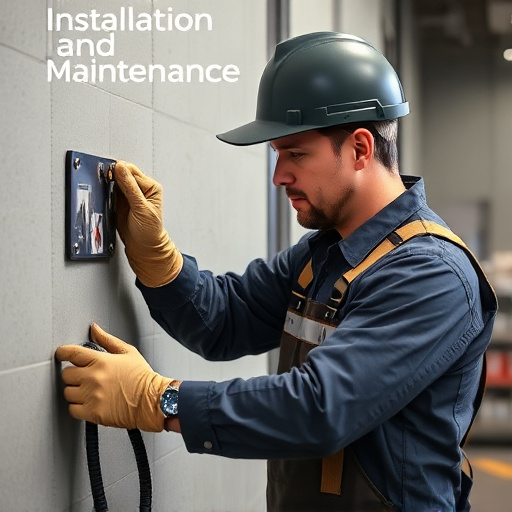
Choosing the right springs for heavy daily use in your garage door system is crucial to ensure safety, performance, and longevity. When dealing with springs for heavy doors, several factors come into play, including spring length, wire gauge, and material type. In Tucson, where temperatures can fluctuate significantly, the choice of galvanized or oil-tempered springs becomes critical.
A local Tucson garage door technician recommends considering spring length as a primary factor. The length of a spring directly impacts its strength and the door's lifting capacity. Heavier doors, like those in commercial buildings or larger residential garages, typically require longer springs to handle the increased weight. As a rule of thumb, for doors weighing over 500 pounds, a spring length of 18 to 24 inches is common. However, this should be determined based on a door's specific weight and the local climate's effects on spring performance.
The wire gauge is another essential consideration. Higher gauge numbers correspond to thinner wires, which may be more susceptible to damage in harsh environments. In contrast, lower gauge numbers indicate thicker wires capable of withstanding extreme conditions, such as the heat and dust common in Tucson's climate. A balanced approach is to select springs with a gauge that offers both adequate strength and flexibility.
Regular maintenance is vital to prolonging the life of springs for heavy doors. This includes periodic checks for signs of wear, rust, or corrosion, which can compromise a spring's integrity. Lubrication can also play a role in reducing friction and extending spring life, though the frequency and type of lubricant should be guided by the spring manufacturer's recommendations. Remember, safety is paramount, and any spring work should be handled by a qualified professional to ensure the door operates correctly and securely.
Frequently Asked Questions About a guide to choosing high cycle springs for heavy daily use
What are high cycle springs? High cycle springs are designed for applications requiring frequent compression and extension, such as heavy-use garage doors. They offer superior durability and strength for daily stress, making them a crucial choice for demanding environments.
Why are high cycle springs important for garage doors? In regions with frequent use, like commercial garages or homes with large vehicles, regular springs may fatigue and fail after years of daily operation. High cycle springs, with their enhanced coil design, can withstand up to 100,000 cycles-far exceeding standard springs-ensuring reliable performance for many years to come.
How do I know if I need high cycle springs? Look for signs of frequent spring replacement or excessive noise during door operation. If your garage door is heavy and used several times a day, high cycle springs can provide the longevity and performance you need. A local garage door specialist can assess your specific situation and recommend the best solution.
What are the different types of high cycle springs? They primarily differ in material and construction. Carbon steel springs offer cost-effectiveness, while stainless steel springs provide superior corrosion resistance. Spring construction varies too, with options like straight, coiled, or special designs tailored to specific applications, ensuring the right fit for your garage door system.
Are high cycle springs more expensive than standard springs? While the initial cost may be higher, the long-term savings and improved performance make them a worthwhile investment. Their increased lifespan reduces the need for frequent replacements, making them a cost-effective choice for heavy daily use.
Can high cycle springs be installed by a professional at Eddies Garage Door Service? Absolutely. Our licensed Tucson garage door service team has extensive experience installing a variety of spring types, including high cycle springs. We ensure proper alignment and safety, guaranteeing your garage door operates smoothly and securely.
Choosing the right springs for heavy daily use is crucial for ensuring your garage door's safety, longevity, and smooth operation. By understanding the unique requirements of heavy doors and selecting high-cycle springs tailored to these demands, Tucson homeowners can significantly enhance their door's performance and extend its lifespan. This article has guided you through the essential factors, from recognizing signs of spring failure to sizing springs based on door weight, and has emphasized the importance of professional installation and maintenance. Moving forward, prioritize regular inspections, timely repairs, and the use of high-quality springs designed for heavy doors to keep your garage door system operating at peak efficiency, ensuring both safety and convenience.
Summary:
Choosing the right springs for heavy garage doors in Tucson involves considering door weight, climate, and spring type. Torsion springs, preferred for their rust resistance and ability to support higher weights, are ideal for desert climates. Spring cycle rating, door weight, and center bearing quality are critical factors. For optimal performance, select springs based on specific door requirements, with lengths and wire gauges tailored to the weight and local conditions. Regular maintenance, including checks for wear and lubrication, extends spring life. Safety and professional installation are paramount.