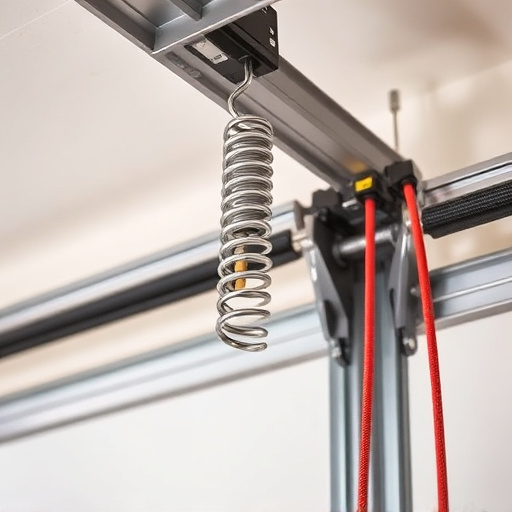
For Tucson homeowners, the garage door spring is a critical component that impacts door safety, performance, and longevity. Spring failure is a common issue, often occurring due to age, weather, or misuse, posing a significant risk if not addressed promptly. This article guides you through the process of understanding when to repair or replace garage door springs, focusing on the key distinction between oil-tempered and galvanized springs. We'll walk you through common issues, cost considerations, and expert tips for ensuring your garage door springs remain in top condition, enhancing both safety and peace of mind.
- Understanding Garage Door Spring Types: Oil Tempered vs. Galvanized
- Diagnosing Spring Failure: Signs & Common Issues to Address
- Spring Replacement: Step-by-Step Guide & Safety Tips for Homeowners
Understanding Garage Door Spring Types: Oil Tempered vs. Galvanized
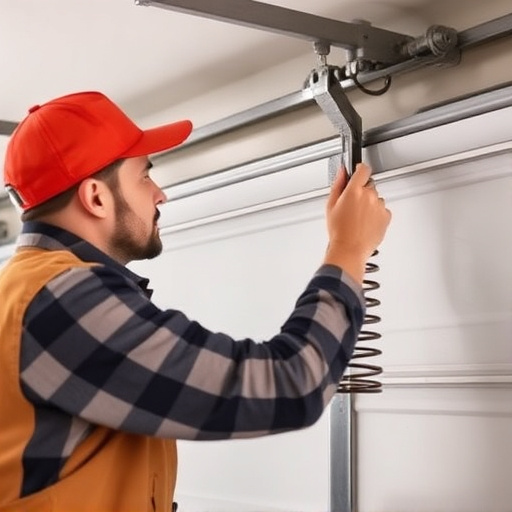
Choosing the right garage door spring type is crucial for your Tucson home's safety and longevity. When considering oil-tempered vs. Galvanized springs, understand their distinct properties. Oil-tempered springs, often found in residential doors, offer excellent strength and flexibility, making them suitable for lighter door weights and standard use. They're known for their resilience against shock loads and maintain their shape under stress, crucial in the unpredictable desert heat. Galvanized springs, on the other hand, are more durable and corrosion-resistant, making them ideal for heavier doors or commercial applications. This type is especially recommended for areas with high humidity or frequent exposure to corrosive elements, protecting your investment from premature wear.
When deciding on a spring replacement, consider the spring length. This is determined by the door's weight and balance. A local Tucson garage door technician can help assess the ideal spring length for your door. Safety is paramount; galvanized springs, despite their durability, can pose risks if not installed correctly. Always ensure new springs are properly secured and that safety cables are in place to prevent catastrophic failure. Lubricating springs can reduce friction and extend their lifespan, especially in hot climates.
In the desert heat, both oil-tempered and galvanized springs age differently. Oil-tempered springs might require more frequent maintenance as the heat can accelerate rust and corrosion. Regular checks and lubrication can mitigate this. Galvanized springs, with their protective zinc coating, tend to resist desert conditions better. However, over time, the galvanization can wear off, requiring eventual replacement. Remember, the right spring type for your door depends on various factors, from door weight to environmental conditions. Consulting with a professional can ensure you get the best springs for your Tucson home.
Diagnosing Spring Failure: Signs & Common Issues to Address
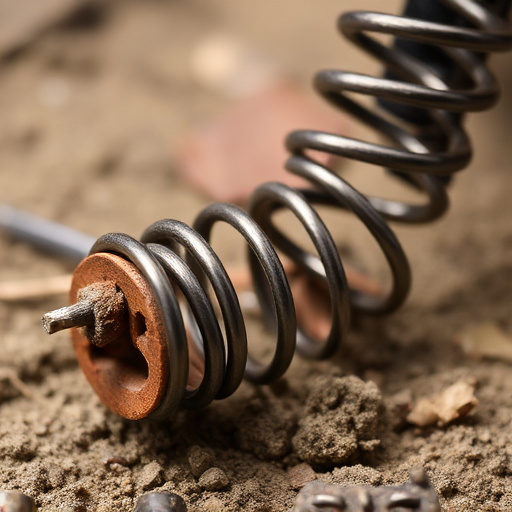
Tucson homeowners often wonder when their garage door springs might fail, a common occurrence due to the intense heat and varying weather patterns. Recognizing the signs of a failing spring is crucial as it can significantly impact the safety and functionality of your garage door. While some issues are subtle, others are more obvious, such as a distinct broken spring sound that can be heard when the door is opened or closed. This sound is a clear indicator that the spring is damaged and needs immediate attention.
One of the primary factors that contribute to spring failure is the material used in their construction. Oil tempered springs are known for their durability and resistance to rust, making them a popular choice in Tucson's harsh environment. On the other hand, galvanized springs are more susceptible to corrosion and may require replacement more frequently. Homeowners should consider the age and condition of their springs, as well as the door's weight and the local climate, when deciding on the best course of action. Heavy doors or those in areas with high humidity levels may necessitate higher-quality springs to ensure optimal performance and longevity.
As springs age, they can exhibit several common issues. A noticeable change in the door's balance, for example, could indicate that one or both springs are weakened or broken. Cycle ratings play a significant role in spring performance; a higher cycle rating means the spring can withstand more openings and closings without fatigue. Springs with lower cycle ratings may need to be replaced more often. torsion tube problems, such as rust or damage to the tubes that house the springs, can compromise the door's stability and safety. Homeowners should contact a licensed professional like Eddies Garage Door Service for a thorough inspection if they suspect any of these issues. Regular maintenance and timely repairs are key to preventing more serious problems.
Spring Replacement: Step-by-Step Guide & Safety Tips for Homeowners
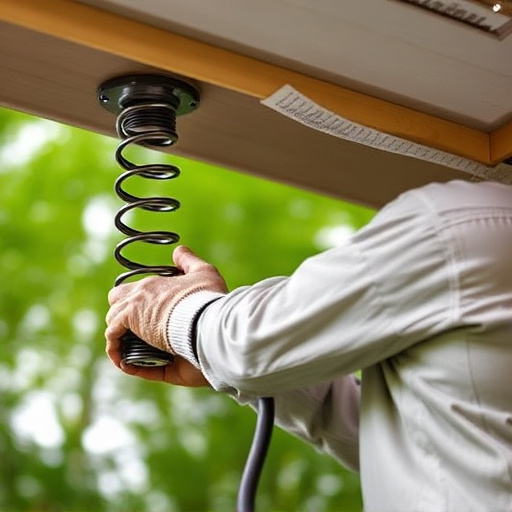
Spring Replacement: A Step-by-Step Guide for Tucson Homeowners
Garage door springs are a crucial component of your home's safety and security system. When considering spring repair or replacement, it's important to understand the types of springs, their maintenance, and when to seek professional help. In Tucson's climate, springs can be particularly vulnerable to heat and corrosion, making regular checks and timely replacements vital.
The two primary types of springs are torsion and extension springs. A torsion spring, often found in larger doors, is wound around a cylindrical tube at the top of the door. These springs are known for their ability to support the door's weight and are less affected by environmental conditions. On the other hand, extension springs, common in residential doors, are attached to the door and the garage ceiling, extending and retracting to open and close the door. When deciding between oil-tempered or galvanized springs, consider your climate. Oil-tempered springs are more suitable for Tucson's heat as they are less prone to rust, while galvanized springs, while durable, may require more frequent replacement due to corrosion.
Replacement is often necessary due to spring failure, which can be signaled by unusual noises, door imbalance, or a broken spring. When a spring breaks, it's crucial to stop using the door immediately for safety. Most spring repairs take a licensed technician one to two days, depending on the door's complexity. A two-car door or a door with special features may require additional time. During a service call, the technician will assess the springs, wind cones, and anchor plates, providing an estimate for repair or replacement. They may also offer advice on lubricating springs or converting to a different spring system, like extension spring safety cables, to enhance door functionality and safety.
Frequently Asked Questions About a Guide for Tucson Homeowners on Garage Door Spring Repair and Replacement
What is the typical cost to repair or replace a garage door spring in Tucson?
In Tucson, garage door spring repair or replacement costs can range from $150 to $400, depending on several factors. The price includes labor and materials, with the spring itself costing between $50 and $150. Factors influencing the price include spring type (tension or extension), size, and whether the installation includes additional services like spring balancing or cable replacement. It's always best to obtain a quote from a licensed Tucson garage door service like Eddies Garage Door Service for an accurate estimate.
How often do garage door springs need to be replaced?
Garage door springs typically last between 7,500 and 10,000 cycles, which equates to about 7 to 10 years under normal use. However, factors like frequent opening and closing, exposure to extreme temperatures, and poor maintenance can reduce their lifespan. Regular inspection and timely repairs can help extend the life of your garage door springs.
What happens if I try to repair a broken garage door spring myself?
Attempting to repair a broken garage door spring yourself is extremely dangerous. Springs store a significant amount of tension and can snap back violently, causing serious injury. It's best to leave this task to a licensed professional with the proper tools and experience, like a Tucson garage door specialist, to ensure safety and prevent damage to your door or garage.
What types of garage door springs are available?
Garage door springs come in two main types:
-
Extension springs: These are the most common type, coiled alongside the garage door track. They are typically used for doors that open vertically.
-
Tension springs: These springs run horizontally above the door opening and provide counterbalance to lift the door.
A qualified garage door technician can help you choose the right type for your door.
Can I replace a garage door spring myself?
While some homeowners may feel inclined to perform DIY repairs, garage door spring replacement is not recommended for beginners. The process involves working with heavy, under-tensioned springs that pose a significant safety risk. It's best left to a seasoned Tucson garage door installer to ensure the job is done correctly and safely.
What should I do if I hear a popping or squeaking noise coming from my garage door?
Noisy garage doors often indicate a problem, most commonly with the springs, hinges, or rollers. Do not ignore these sounds. Promptly contact a professional for an inspection to prevent further damage and ensure the safety of your door.
How do I know if my garage door spring is broken?
A broken garage door spring often exhibits several clear signs, including:
- Door won't open or close properly: The door may jerk, stop mid-open/close, or be difficult to move.
- Squeaking or popping noises: These sounds can indicate worn or damaged springs.
- Door appears off-track: A broken spring can cause the door to pull away from the track.
- Visible damage to the spring: If you can see the spring, look for stretches, kinks, or broken coils.
As Tucson homeowners, understanding your garage door spring system is crucial for safety and peace of mind. This article has guided you through the intricacies of garage door springs, highlighting the key differences between oil-tempered and galvanized springs, and providing insights on when and how to replace them. You now know that oil-tempered springs, with their superior flexibility and resistance to corrosion, are ideal for the harsh Tucson heat, while galvanized springs offer enhanced durability and strength. By learning to recognize signs of spring failure, such as unusual noises or door balance issues, you can take proactive measures to prevent costly repairs.
The step-by-step guide has equipped you with the knowledge to safely address spring replacements, ensuring your doors operate smoothly and reliably. Remember, regular maintenance and prompt attention to any issues will save you time, money, and potentially prevent dangerous situations. With these expert tips and insights, you're now better equipped to manage your garage door spring needs, making informed decisions for your home's safety and security.
Tucson Garage Door Spring Care: A Practical guide
- Spring Types: Choose oil-tempered for lighter doors, residential use, and desert heat resistance. Galvanized springs are heavier-duty, corrosion-resistant, and suitable for commercial or humid areas.
- Signs of Failure: Listen for a broken spring sound during door operation. Notice door imbalance, and inspect for torsion tube rust or damage.
- Replacement & Maintenance: Regular checks, lubrication, and timely replacement (by pros like DC Roofing of Arizona) prevent failure. Consider cycle ratings and door weight for optimal spring choice.