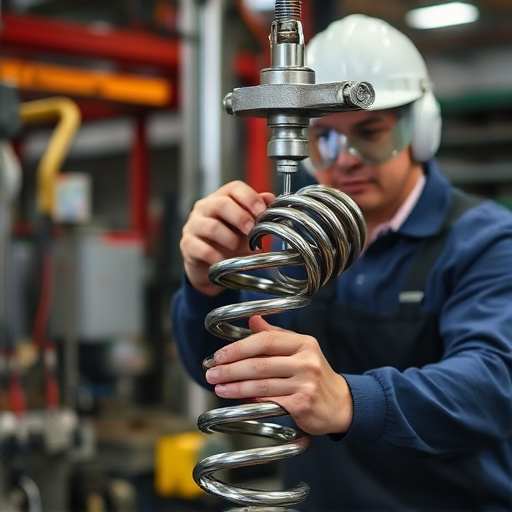
Choosing the right garage door springs is crucial for safe, reliable operation and can significantly impact your daily routine. In Tucson, where extreme heat can accelerate spring wear, the wrong choice can lead to costly breakdowns and even DIY spring repair dangers.
Heavy use puts tremendous strain on springs, necessitating periodic replacement. This article will guide you through the process of selecting high cycle springs designed for heavy daily use, addressing factors like door weight, climate, and safety features. We'll break down the differences between torsion and extension springs, the signs of a failing spring, and the importance of professional service to ensure optimal performance and prevent life-threatening accidents.
- Understanding High-Cycle Springs: Essential Properties
- Factors to Consider for Safe DIY Spring Repair
- Best Practices to Mitigate DIY Spring Repair Dangers
Understanding High-Cycle Springs: Essential Properties
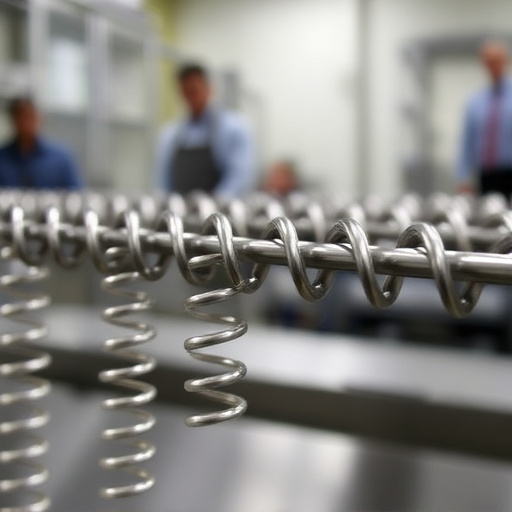
When choosing high-cycle springs for heavy daily use, such as those needed for a large, commercial garage door in Marana, understanding the essential properties of these springs is crucial. High-cycle springs are designed to endure repeated loading and unloading cycles, often many times more than standard springs. They do this by sacrificing some static strength for improved cycle life, making them ideal for doors that open and close frequently. An experienced Tucson garage door installer recommends considering factors like material type and spring design when selecting high-cycle springs.
Oil-tempered springs, for instance, offer superior corrosion resistance compared to galvanized springs. This makes them a top choice for outdoor applications, including residential garage doors exposed to varying weather conditions. The tempering process involves heating the spring to a specific temperature and then quickly cooling it, transforming the spring's microstructure and enhancing its strength and durability. However, oil-tempered springs may not be suitable for all situations; their lower static strength could impact door balance and performance if not matched with the correct door weight.
Another critical aspect to consider is the spring's winding cone. The winding cone is the shape of the wire as it is wound into the spring. Well-designed winding cones improve the spring's efficiency, reducing energy loss during the coiling process. This results in a spring that can withstand more cycles before fatiguing. For heavy doors, springs with robust winding cones can significantly extend the life of the spring and the door mechanism, reducing the risk of unexpected failures, a major concern in DIY spring repair, which can be dangerous if the springs are not handled properly.
Lastly, understand that spring cycle ratings, often found on the spring's packaging, indicate how many cycles the spring can withstand before failing. Higher cycle ratings, typically in the thousands, are desired for high-use doors. Always cross-reference these ratings with your door's weight and usage to ensure you're selecting the appropriate high-cycle springs. This meticulous approach to spring selection can prevent costly repairs and ensure your garage door operates safely and reliably for years to come.
Factors to Consider for Safe DIY Spring Repair
DIY spring repair, while tempting for cost-conscious homeowners, is not without its dangers. A family run Tucson garage door business knows firsthand the risks involved in attempting to replace garage door springs yourself. Spring repair requires a deep understanding of mechanical principles and safety protocols, which can be easily overlooked by the untrained eye. Improper handling of heavy springs can lead to serious injury, and incorrect tensioning can cause catastrophic failure, leading to property damage and personal harm.
Before taking on this potentially hazardous task, understand the fundamental difference between torsion and extension springs. Torsion springs, common in modern garage doors, are coiled to store energy and lift the door. They are generally safer for DIYers to work with due to their enclosed design, which reduces the risk of accidental contact with the spring. On the other hand, extension springs, often found on older doors, stretch to lift the door, presenting a greater risk of injury if handled improperly.
Another critical factor in DIY spring repair is understanding the spring's cycle rating, which indicates its expected lifespan and load-bearing capacity. Higher cycle ratings, often achieved through powder coating or oil tempering, signify a spring designed for heavier doors and increased use. A spring rated for 10,000 cycles might last 5-7 years under normal conditions, while a spring rated for 25,000 cycles could last 10-15 years. A poorly chosen spring, one not suited to your door's weight and use pattern, can fail prematurely, necessitating costly repairs.
Safety is paramount when dealing with garage door springs. Always consult with a professional if you're unsure about any aspect of the repair process. Never attempt to lift or adjust a spring without the proper tools and safety equipment, such as spring winding bars and extension spring safety cables. Remember, a DIY spring repair done wrong can result in serious injury, property damage, and a costly replacement of both springs.
Best Practices to Mitigate DIY Spring Repair Dangers
When tackling garage door spring repairs, especially for heavy daily use, the risks of DIY can be significant. While replacing a garage door spring might seem like a straightforward task, the potential for injury and further damage is real, especially when dealing with the high tension of these components. An experienced Tucson garage door installer emphasizes: "Don't underestimate the dangers. Springs can snap back with tremendous force, and even experienced technicians wear protective gear."
One of the most critical safety considerations when dealing with garage door springs is the safety cable. This cable is designed to prevent catastrophic failure in case of spring breakage, stopping the door from plummeting. However, it's crucial to ensure the cable is properly attached and in good condition. Improper handling or a worn cable can lead to a dangerous situation. A frayed or corroded cable might fail during a repair attempt, resulting in injury or door damage. Always inspect the safety cable for signs of wear and have it replaced if necessary.
The door weight matters in spring selection and safety. Heavier doors require stronger springs with higher cycle ratings. In Tucson's climate, springs also face the challenge of prolonged exposure to heat, which can weaken their structure. An experienced installer recommends: "When dealing with heavy doors, opt for oil-tempered springs over galvanized ones. Oil-tempered springs are better equipped to handle the heat and maintain their strength over time."
Before attempting any DIY spring repair, consider the wire gauge of the springs. Thicker wires (higher gauge numbers) support heavier doors and have a longer lifespan. While it might be tempting to cut corners by selecting lower-gauge springs to save money, this can lead to frequent replacements and increased safety risks. A 16-gauge spring might be adequate for a lighter door, but for a two-car door weighing several hundred pounds, a 14-gauge or higher spring is more suitable. Always prioritize safety and choose springs rated for your door's specific weight.
Frequently Asked Questions About a guide to choosing high cycle springs for heavy daily use
What are high cycle springs? High cycle springs, also known as heavy-duty springs, are designed to withstand repeated loading and unloading cycles, making them ideal for applications involving frequent movement. They offer superior strength and durability compared to standard springs, ensuring longevity under intense use.
Why do I need high cycle springs for daily use? In scenarios where garage doors, industrial machinery, or any mechanical system undergoes frequent operation, regular springs may fatigue and fail over time. High cycle springs are engineered to handle these demands, providing consistent performance and safety for daily use in demanding environments.
How do I determine the appropriate spring strength for my application? Spring strength is measured in pounds (lbs) or kilograms (kg) and should be chosen based on the expected load and the number of cycles. Consider the weight of the object (door, machinery) and how often it will be moved. A local garage door service or a spring specialist can assist in calculating the required strength, ensuring a safe and efficient system.
Can high cycle springs be installed by a DIYer? While some DIY enthusiasts may be adept at spring replacement, high cycle springs often require professional installation. These springs are more robust and may demand specialized tools and knowledge. It's best to enlist the help of a licensed Tucson garage door service or a qualified technician to ensure proper installation and safety.
What factors should I consider when purchasing high cycle springs? When buying, consider spring material (e.g., music wire, stainless steel), expected cycle life, and operating temperature range. Ensure the springs meet industry standards and are suitable for your specific application. Consulting with a spring manufacturer or a trusted Tucson garage door specialist can guide your selection process.
Are there any safety precautions I should know about high cycle springs? Absolutely. Due to their high strength, these springs can exert significant force. Always wear appropriate personal protective equipment, such as safety glasses and gloves, during installation or maintenance. Never attempt to adjust or handle a spring under tension without proper training and tools.
Choosing the right high-cycle springs for heavy daily use involves understanding essential properties, considering safety, and mitigating DIY spring repair dangers. By prioritizing these factors, Tucson homeowners can ensure their garage doors operate smoothly and reliably. Remember, professional service from licensed companies like Eddies Garage Door Service, a trusted Tucson garage door specialist, is crucial for complex repairs to avoid injuries and further damage. Always consult local building codes and consider regular professional maintenance to prolong spring life in the Tucson heat. Next steps include comparing local spring service call costs, understanding spring sizing by door weight, and learning about spring warranty options. Stay informed to make informed decisions and keep your garage door safe and secure.
When choosing high-cycle springs for heavy daily use in Marana, consider material type, spring design, and cycle ratings. Oil-tempered springs offer superior corrosion resistance, while robust winding cones improve efficiency. Spring cycle ratings, found on packaging, indicate lifespan and load-bearing capacity, crucial for matching to door weight and usage.
For DIY spring repair, understand the difference between torsion and extension springs, and the importance of cycle ratings and safety cables. Heavier doors require stronger springs with higher cycle ratings, and in hot climates, opt for oil-tempered springs. Always prioritize safety, choose the correct wire gauge, and inspect safety cables for wear.