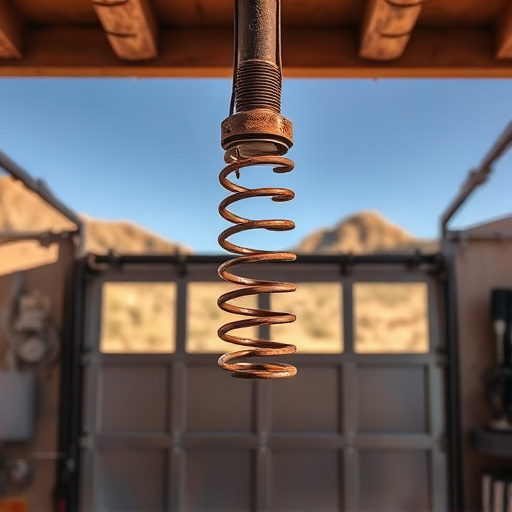
In the bustling homes across Tucson, garage doors serve as both gateway and structural support. Yet, these hardworking components can fatigue over time, especially in our hot climate, leading to spring failure. A broken garage door spring can leave your door stuck or unable to close, posing safety risks and potential property damage. This article provides a practical guide to balancing your garage door after a spring repair, focusing on the critical role of extension spring safety cables in ensuring your door operates smoothly and safely. We'll walk you through the process, from understanding when to replace both springs to tips for effective lubrication, to help you maintain your garage door's stability and longevity.
- Assessing Garage Door Balance After Spring Repair
- Tuning Counterbalance for Safe Operation
- Securing Extension Spring Safety Cables
Assessing Garage Door Balance After Spring Repair
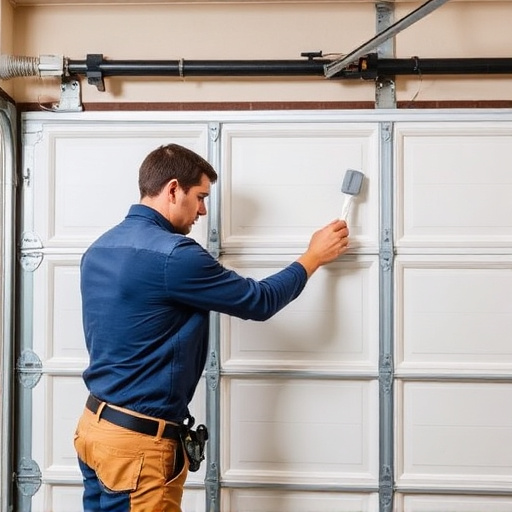
After a garage door spring repair, ensuring proper balance is crucial for safety and smooth operation. A balanced garage door operates quietly, opens and closes evenly, and places minimal strain on all components. Imbalanced doors can lead to further damage, noise, and safety hazards. This section offers expert guidance on assessing and correcting garage door balance following a spring repair, specifically focusing on the role of extension spring safety cables.
The first step in balancing your garage door after a repair is to inspect the springs and their associated hardware. Extension springs, which are common in Tucson garage doors, should be evaluated for their inside diameter and spring length. These measurements are vital as they dictate the spring's tension and, consequently, the door's balance. Ensure the springs are securely fastened to the door and the garage track, and that the extension spring safety cables are properly attached. These cables are designed to prevent springs from retracting too quickly and causing injury.
In many cases, a balanced door can be achieved by adjusting the tension on the springs. A Tucson garage door specialist can provide this service, ensuring the springs are neither too loose nor too tight. Over-tightened springs can cause damage, while too-loose springs may result in door misalignment. As a general guideline, the door should rise and lower smoothly with minimal effort, never jerking or swaying excessively. If the door exhibits any of these issues, it may require further adjustments beyond simple tensioning, especially if the springs are old or of poor quality.
Regular maintenance, including lubricating the springs and checking for wear and tear, is essential to prevent future imbalances. Monitoring the door's performance and addressing any unusual noises or operational issues promptly can help extend the lifespan of your garage door springs. By following these steps and staying attuned to your garage door's behavior, you can maintain a safe, balanced, and reliable opening and closing system.
Tuning Counterbalance for Safe Operation
Tuning the counterbalance of your garage door is a crucial step after any spring repair, especially in the unique conditions of the Tucson desert heat. The extension spring safety cables play a vital role in ensuring your door operates smoothly and safely. These cables, made from either oil-tempered or galvanized steel, depending on the door's weight and climate, must be properly adjusted to match the spring's tension.
An experienced Tucson garage door installer recommends checking the counterbalance regularly, especially after spring repairs. This involves inspecting the spring's wind-up and adjusting the counterbalance weight to match. In hot, dry climates like ours, springs can fatigue faster, so regular tuning is key. If you've recently replaced a spring in the scorching Vail sun, double-check the counterbalance settings. The heat can cause springs to weaken, requiring adjustments to maintain door balance.
When adjusting the counterbalance, consider the door's weight and the type of springs used. For heavy doors, stronger springs and heavier counterweights are often necessary. Oil-tempered springs, known for their superior strength and flexibility in extreme conditions, might be preferred in such cases. The goal is to find the sweet spot where the door smoothly and easily opens and closes without straining the springs.
Remember, incorrect counterbalance can lead to unsafe door operation. The door may sag on one side or even bind, posing a risk to both property and person. Regular tuning, guided by a professional if needed, can prevent these issues. By taking the time to ensure your garage door's counterbalance is correct, you contribute to its longevity and safety, especially in the challenging Tucson environment.
Securing Extension Spring Safety Cables
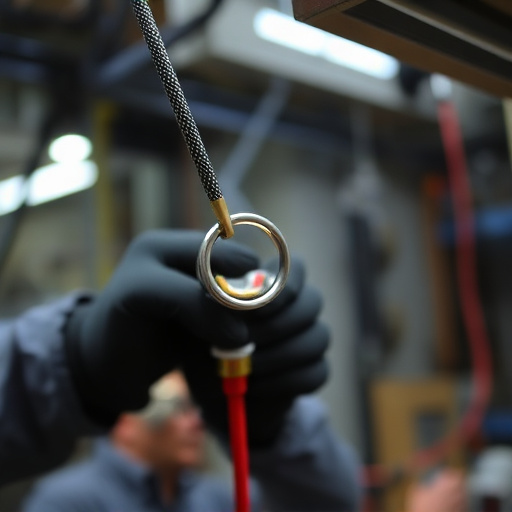
Securing extension spring safety cables is a crucial step in balancing a garage door after spring repair. These cables, attached to the spring's end, play a vital role in the door's safety and stability. When a spring fails, these cables can become loose, posing a significant risk. At Eddies Garage Door Service, we often encounter situations where homeowners have attempted DIY repairs, leaving these cables unsecured, which can lead to dangerous situations.
The process involves careful measurement and adjustment. The length of the cable must be precise to ensure the door closes smoothly and safely. In Tucson, where the heat can accelerate spring wear, it's essential to check cable tension regularly. Oil-tempered springs, known for their strength and durability, may require specific cable lengths based on the spring's size and the door's weight. Homeowners should consult with a professional to determine the appropriate cable length for their system.
Properly securing extension spring safety cables involves threading them through a series of holes in the spring's end and then attaching them to the door's track. It's a delicate process that requires attention to detail. At Eddies Garage Door Service, we recommend leaving this task to experienced technicians. They have the tools and knowledge to ensure the job is done right, minimizing the risk of injury or further damage. A balanced garage door not only operates smoothly but also guarantees the safety of those who use it, which is our primary concern.
Frequently Asked Questions About advice on balancing a garage door after a spring repair
What is the primary purpose of balancing a garage door?
Balancing a garage door ensures it operates smoothly and safely. A balanced door closes evenly, doesn't pull or sag on one side, and minimizes strain on the opening mechanism. This is crucial after a spring repair, as a new spring is weaker and more prone to imbalance, potentially leading to failure.
How do I know if my garage door needs balancing?
Look for telltale signs like uneven closing, doors stopping mid-open or mid-close, or one side of the door lower than the other. A garage door that's out of balance can also make loud squeaking or grinding noises. These issues are common after spring repairs, as the door's weight distribution changes.
What tools do I need to balance my garage door?
Most balancing involves using a few basic tools: a level (to ensure the door is aligned vertically), a torque wrench (to tighten springs safely), and a jack (to raise and lower the door). Some situations may require additional tools like a sliding hook or cable. A licensed Tucson garage door specialist, like Eddies Garage Door Service, can provide the necessary tools and expertise.
Should I attempt to balance my garage door myself?
While some basic balancing adjustments are possible DIY projects, most post-repair balancing requires professional knowledge and equipment. Improper balancing can lead to further damage or injury. It's best to rely on a skilled Tucson garage door technician who understands the specific needs of your door and can ensure proper weight distribution.
What happens if I try to balance it myself and something goes wrong?
Improper balancing can result in damaged springs, cables, or other components, leading to costly repairs or even door failure. It's safer and more reliable to trust a professional. If you experience any issues during the balancing process, contact a local garage door expert immediately for assistance.
How often should I check and adjust the balance of my garage door?
Regular maintenance, including balancing, is crucial for prolonging the life of your garage door. It's recommended to have a professional check and adjust the balance annually or after any spring replacement. This ensures optimal performance and safety.
After completing the necessary spring repair, it's crucial to rebalance your garage door and ensure the safety of your extension spring safety cables. This process involves careful tuning to match the door's weight and ensure smooth, secure operation. By securing these cables properly, you prevent accidental release, which could lead to door damage or personal injury. Moving forward, regularly inspect your door's balance and spring condition, addressing any issues promptly. Keep an eye out for signs of rust or corrosion, which can weaken springs, and lubricate moving parts to reduce friction and prolong spring life in the hot Tucson climate. Remember, a well-balanced and regularly maintained garage door enhances safety and prevents costly repairs.
Balancing a garage door after a spring repair involves inspecting and adjusting spring tension and ensuring extension spring safety cables are properly attached and tensioned. Regular maintenance, including lubrication and checks for wear, prevents future imbalances. In Tucson's hot climate, springs may fatigue faster, necessitating more frequent tuning. Incorrect counterbalance can lead to unsafe door operation, so regular adjustments by a professional are recommended. Securing extension spring safety cables properly is crucial for safety, especially after DIY repairs. Consult with a licensed Tucson garage door service for precise cable length determination and installation.