Tucson homeowners often face a costly and inconvenient garage door spring crisis, with heat and dust playing a significant role in cutting spring lifespans. Understanding how these environmental factors contribute to spring failure is crucial for proactive maintenance. This article examines the specific challenges posed by the desert climate, revealing why both torsion and extension springs in a two-car door setup may need replacement simultaneously. By the end, you'll grasp the science behind spring wear, enabling you to make informed decisions when facing a garage door emergency.
- Desert Heat: Spring's Silent Enemy
- Dust's Impact: Accelerated Spring Wear
- Natural Solutions: Two-Car Door Spring Repair
Desert Heat: Spring's Silent Enemy
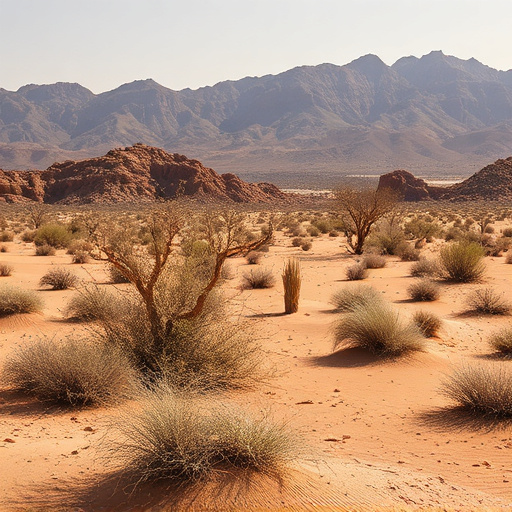
The desert heat is a silent enemy to your garage door springs, accelerating their wear and tear. In Tucson, where temperatures regularly soar, the combination of intense heat and fine desert dust creates a challenging environment for these crucial door components. Let's examine how these factors contribute to spring failure and what you can do to mitigate the damage.
Garage door springs, whether extension or torsion, are designed to withstand constant stress. However, the extreme heat experienced in our region can cause spring material to weaken and lose its elasticity faster. The desert dust, while providing a protective coating, can also act as a conduit for moisture, leading to rust and corrosion. These factors combine to significantly shorten the lifespan of your springs. A well-maintained spring in a moderate climate might last 10,000 cycles, while the same spring in Tucson might struggle to reach 5,000 cycles due to the harsher conditions.
When considering a solution, it's crucial to understand the difference between single and double garage door springs. Single springs are generally used for lighter doors, while double springs support heavier doors. In desert environments, double springs often prove more durable due to their ability to handle increased stress. An experienced Tucson garage door installer recommends evaluating your door weight and choosing the appropriate spring type. Consider powder-coated springs, which offer enhanced rust resistance compared to traditional galvanized springs.
Proper maintenance, including regular lubrication and periodic visual inspections, is your best defense against premature spring failure. If you're dealing with a two car door spring repair in Tucson, don't attempt a DIY solution. The risks of improper installation and damage to your door far outweigh the cost of hiring a professional. Remember, your garage door springs are critical to the safety and functionality of your door, so invest in their longevity through expert care and appropriate selection.
Dust's Impact: Accelerated Spring Wear
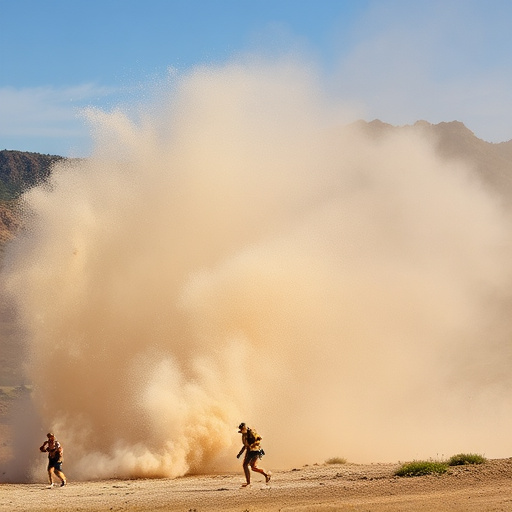
The harsh desert climate in Tucson presents unique challenges for garage door springs. While heat is a well-known spring-life-reducing factor, another culprit often overlooked is dust. In an area like Oro Valley, where dust storms are frequent, the impact on garage door springs can be significant, leading to accelerated wear and potential failure.
Dust, especially when mixed with the extreme heat, can cause springs to corrode and rust faster than usual. The friction generated by a door's constant operation against the frame, coupled with the abrasive nature of dust particles, shortens the lifespan of both extension springs and, in some cases, torsion springs. In a two-car door setup, for instance, where the door opens and closes more frequently, this effect is amplified. Over time, the wear and tear caused by dust can lead to a loss of spring tension, resulting in a door that opens or closes erratically or even fails to function altogether.
Regular cleaning and maintenance can help mitigate these issues. A licensed Tucson garage door company recommends examining your springs for any signs of corrosion or wear and lubricating them as needed. However, in severe cases, replacement might be the only option. If your extension springs have an inside diameter of 1-3 inches, they may need to be replaced every 5-7 years, depending on the level of dust exposure. Regular spring service calls, along with proper greasing and inspection, can extend the life of your garage door springs, ensuring your door operates smoothly and safely for years to come.
Natural Solutions: Two-Car Door Spring Repair
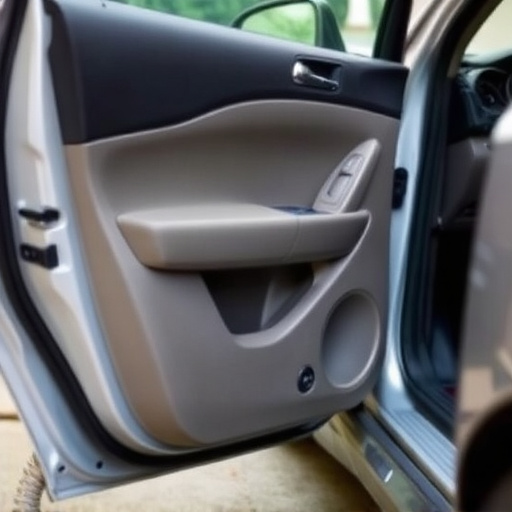
The desert heat and dust in Tucson present unique challenges to your garage door springs, especially for two-car door systems. Unlike their urban counterparts, these springs bear a heavier load due to the additional door weight, and they're constantly exposed to harsh environmental conditions. The combination can lead to significantly shorter spring lifespans, often requiring a two-car door spring repair before expected.
In Marana and Oro Valley, where dust storms are frequent, the impact on springs is undeniable. The intense heat causes metal fatigue, accelerating spring wear and tear. Simultaneously, the relentless dust can lead to corrosion and rust, further compromising spring integrity. These factors contribute to a phenomenon known as "spring failure," where a spring breaks or loses its tension prematurely. A family run Tucson garage door business might note that calls for two-car door spring repairs spike during the hotter months.
Natural solutions exist to mitigate these issues. Regular, thorough cleaning of the garage door and springs can help dislodge dust buildup. Lubricating the spring assembly with a high-quality, weather-resistant lubricant can reduce friction and corrosion. However, if a spring shows signs of failure, it's crucial to address the problem promptly. A two-car door spring repair might involve replacing both springs, as they often wear in tandem. A qualified technician will assess the door's weight, spring tension, and environmental factors to recommend the most suitable replacement springs, ensuring a safe and efficient repair.
Frequently Asked Questions About an explainer on how desert heat and dust shorten spring life
What happens to springs in hot, dusty environments?
High temperatures and dusty air accelerate corrosion and wear on spring coils. Heat weakens the metal, making it more susceptible to fatigue and failure, while dust acts as a lubricant that can prematurely wear away the protective coating on springs. This combination shortens the effective life of springs, necessitating more frequent replacement in desert environments.
How does desert heat specifically impact spring longevity?
Deserts are known for extreme temperature fluctuations, with scorching days followed by chilly nights. This constant cycling causes thermal stress on springs, leading to metal fatigue and eventual failure. The heat also speeds up the rusting process, further compromising the structural integrity of springs over time.
Why is dust a problem for garage doors?
Dust can infiltrate the intricate mechanisms of garage doors, including the springs. Over time, this can lead to increased friction, misalignment, and premature wear. The abrasive nature of dust particles can damage the winding components, compromising the overall performance and safety of the door.
How often do springs in desert areas need replacement?
While there's no one-size-fits-all answer, springs in desert climates generally require replacement every 5,000 to 10,000 cycles-significantly less than in areas with milder conditions. This higher rate of wear necessitates regular maintenance and inspection to ensure the safety and reliability of garage doors.
What are the signs of failing springs?
Keep an eye out for these warning signs:
- Noisy operation: Squeaking, grinding, or rattling sounds during door opening and closing.
- Door drifting: The door doesn't stay level during operation, suggesting weakened springs.
- Difficulty opening or closing: The door is heavy to move or won't budge at all.
- Swaying or bouncing: The door wobbles or bounces after being released.
Who should I call for spring repair or replacement?
Contact a licensed and experienced garage door service like Eddies Garage Door Service. They have the expertise and tools to safely and efficiently address spring issues, ensuring your garage door functions smoothly and securely.
In the harsh desert climate of Tucson, understanding the impact of heat and dust on your garage door springs is crucial for extending their lifespan. This article has illuminated two key factors: extreme heat accelerates spring wear and dust can exacerbate the problem. By naturally incorporating two-car door spring repair techniques, homeowners can mitigate these issues. Regular inspection and prompt replacement of failing springs, especially in heavy doors, are essential. While oil-tempered springs offer some resistance to corrosion, galvanized springs provide superior protection. Remember, a balanced door after spring work ensures safety and longevity. Two-car door spring repair isn't just a DIY project; it requires expertise to handle heavy doors and springs properly. With the right knowledge, Tucson homeowners can significantly reduce the need for costly, emergency repairs. This article provides a solid foundation for tackling spring issues, empowering residents to maintain their garage doors effectively.
Tucson's extreme heat and dust shorten garage door spring lifespans, particularly for heavy two-car doors. Regular cleaning, lubrication, and expert maintenance can extend spring life, but replacements may be needed every 5-7 years depending on exposure. A professional two-car door spring repair is recommended for safety and to prevent catastrophic failure.