Broken garage door springs pose a significant safety hazard, often requiring immediate professional attention. Springs, responsible for lifting the door's weight, can fail due to wear, weather, or accident, leading to potential injury or property damage. The average garage door spring lasts about 10,000 cycles, or approximately 5 to 7 years, though this varies based on factors like climate and usage.
In Tucson, where the heat can accelerate spring fatigue, understanding the risks is crucial. Attempting to repair or replace a broken spring DIY can be extremely dangerous, as these springs store immense energy. We'll guide you through the importance of professional handling, the differences between torsion and extension springs, and the safety precautions, including lubricating springs naturally, to ensure a secure and effective solution.
- Understanding the Risks of Broken Garage Door Springs
- The Dangers: Why Professional Help is Essential
- Natural Lubrication: A Safer Spring Maintenance Method
Understanding the Risks of Broken Garage Door Springs
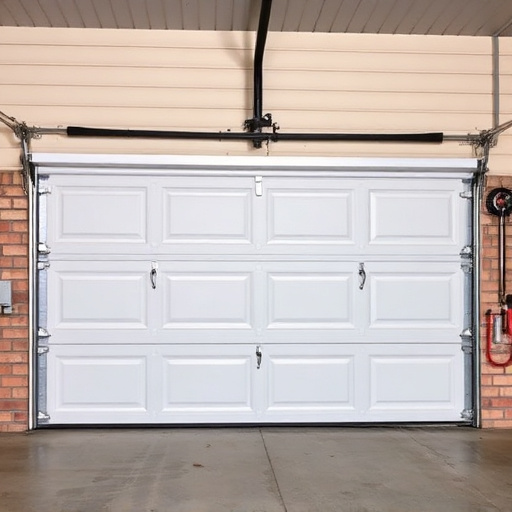
Broken garage door springs pose significant risks due to their immense strength and potential for sudden failure. In hot, desert climates like Tucson, springs can fatigue faster, leading to unexpected snaps that can cause severe injuries. A family run Tucson garage door business often encounters customers who attempt DIY repairs, only to end up with serious injuries or damaged property. The primary reason for this is the high-tension nature of these springs-a single 10x10 spring can exert over 3,000 pounds of force.
When a spring breaks, it doesn't simply bend; it snaps, launching components at high speeds. In Vail, where homes often have heavy wooden doors, a broken spring can send pieces of the door or the spring itself flying, posing a danger to people and pets in the vicinity. The desert heat also plays a role; extreme temperatures can cause springs to expand and contract, increasing the risk of failure. Many homeowners attempt to lubricate springs naturally using vegetable oils, which can be ineffective and potentially harmful. Oil-based lubricants can attract dust and debris, leading to increased friction and further stress on the spring, accelerating wear and potentially causing a catastrophic break.
Professional garage door specialists recommend a proactive approach. Regular spring maintenance, including lubricating the coils and checking for signs of wear, can extend the life of your springs. Look for signs like rust, corrosion, or a broken wire, which indicate a weak spring. In hot climates like Tucson, it's crucial to replace springs every 7,000 to 10,000 cycles, or approximately 7 to 10 years, depending on the spring type. Extension springs, for instance, tend to fail due to fatigue, while torsion springs, common in heavier doors, may break due to excessive tension or poor installation. For two-car door systems, the springs often work in tandem, so replacing one usually necessitates replacing both to maintain balance and safety. Always consult a licensed Tucson garage door service for expert advice tailored to your specific door model and local conditions, like the extreme temperatures of the desert heat.
The Dangers: Why Professional Help is Essential

Broken garage door springs are not something to be taken lightly. They represent a significant safety hazard, and attempting to handle them yourself can lead to severe injuries. Springs are under immense tension, storing energy that's released suddenly when they snap. This energy can cause severe lacerations, crushed limbs, or even fatalities. The risk isn't just physical; dealing with springs can also lead to electric shock, especially when dealing with older models that have worn-down insulation.
In Tucson, the average garage door spring replacement cost can range from $150 to $300, depending on the type of spring, door size, and whether both springs need to be replaced. This cost is a fraction of the potential price you'd pay for medical treatment if you were to attempt a DIY repair and get injured. The two primary types of springs-extension and torsion-each have unique risks. Extension springs, which are commonly used in single and two-car doors, can snap suddenly, while torsion springs, often found in larger, heavier doors, pose a different set of dangers. Torsion springs operate in a tube, and problems like rust or improper winding can lead to catastrophic failure.
The signs of a failing spring are clear: a metallic ringing sound when the door is opened or closed, a noticeable change in door balance, or a visible bend or twist in the spring. If you hear that broken spring sound, it's crucial to contact a professional immediately. A local Tucson garage door technician will have the expertise and tools to safely replace the spring. They'll also be able to assess and lubricate springs naturally to extend their lifespan, as oil-tempered springs, a common choice due to their durability and resistance to rust, benefit from regular lubrication. This is especially important in the Tucson heat, where metal can expand and contract, leading to accelerated spring wear.
Professionals like Eddies Garage Door Service, a family-run business with deep roots in the Tucson community, prioritize safety and customer satisfaction. They're familiar with the local building codes and can ensure your door is secure and balanced after spring work. Always remember: for garage door springs, it's not just about the cost of replacement but the peace of mind that comes from leaving this potentially deadly task to the experts.
Natural Lubrication: A Safer Spring Maintenance Method
Broken garage door springs are a serious safety concern, often requiring immediate professional attention. While the temptation to attempt repairs yourself may arise, especially for smaller issues like a lubricating springs naturally, it's crucial to understand the inherent risks associated with handling broken springs. Springs, particularly heavy-duty ones found on larger doors, store immense energy. A broken spring can snap back with surprising force, posing a significant hazard to anyone nearby. In Marana or surrounding areas, where temperatures can soar, the situation becomes even more critical. High heat can accelerate metal fatigue, causing springs to fail more frequently and suddenly.
A Tucson garage door specialist recommends a proactive approach to spring safety. Instead of relying on traditional lubricants that may not stand up to the extreme conditions, consider natural lubrication techniques. This method involves applying specific oils or greases derived from plant or animal sources. Not only do these substances offer adequate lubrication, but they also have a lower risk of attracting pests or causing environmental harm compared to synthetic alternatives. A powder-coated spring, already designed for durability, can be further enhanced with a natural lubricant to extend its lifespan.
When dealing with broken springs, always prioritize safety. Employing safety cables, designed to temporarily support a spring if it fails, can be a lifesaver. Ensure that any spring repair or replacement is conducted by a licensed professional who understands the specific needs of wooden or insulated doors, as well as local building codes. Regular maintenance, including thorough inspections and timely repairs, is the best defense against unexpected spring failures, ensuring your garage door operates safely and smoothly.
Frequently Asked Questions About safety advice on why broken springs are dangerous to handle
Why are broken garage door springs considered dangerous? Broken garage door springs pose significant risks due to their powerful tension. They can snap back with great force, causing severe injuries to anyone in close proximity. Spring components, when released, can travel at speeds exceeding 100 mph, easily impaling or fracturing skin. The force of a broken spring can damage garage doors, vehicles, and nearby structures, leading to costly repairs.
Can I try to fix a broken spring myself? Absolutely not. While DIY projects can be satisfying, repairing garage door springs is not a do-it-yourself task. Springs operate under extreme tension, and the slightest miscalculation in replacement or adjustment can lead to catastrophic failure. It's best to leave this job to licensed professionals equipped with specialized tools and safety gear.
How do broken springs affect garage door functionality? A broken spring significantly impairs garage door operation. Springs are responsible for lifting the door's weight, making it open and close smoothly. When a spring fails, the door becomes heavier, making manual operation impossible. Automatic opening and closing mechanisms may also malfunction, leaving the door stuck in the closed or open position.
What should I do if I hear a snap or a loud noise from my garage door spring? If you hear unusual noises, especially a snap or loud metal clanging, it's a clear sign of spring failure. Do not attempt to use the door until a licensed technician has inspected and replaced the damaged spring. Ignoring this issue can lead to more serious safety hazards and expensive repairs.
How can I prevent garage door spring failures? Regular maintenance is key. Schedule periodic inspections by a licensed professional to ensure springs are in good condition. Keep an eye on spring coils for any signs of rust, corrosion, or damage. Promptly address any issues to prevent sudden failures, which are often caused by wear and tear over time.
Are there any safety tips for dealing with broken springs? Safety is paramount. Never stand directly in front of or touch a broken spring. Evacuate the area and call a professional. If you must pass by the broken spring, wear protective clothing and safety goggles. Always remember, the potential risks far outweigh any perceived savings by attempting a DIY repair.
Broken garage door springs pose significant dangers, underscoring the critical need for professional handling. While some may be tempted to DIY repairs, the risks far outweigh any potential savings. Natural lubrication offers a safer alternative for maintaining springs, minimizing the need for forceful adjustments or replacement. By adopting this method, Tucson homeowners can ensure their garage doors operate smoothly, extend spring life, and mitigate the risk of serious injury or property damage.
The article has equipped readers with a clear understanding of the dangers associated with broken springs, the importance of professional repair, and a practical, natural approach to spring maintenance. Moving forward, prioritize regular inspections and natural lubrication to keep your garage door system safe, reliable, and secure.
Broken garage door springs in Tucson pose significant risks due to their high tension and sudden failure potential. Hot desert climates accelerate spring wear. DIY repairs can lead to serious injuries or damaged property. Professional specialists recommend proactive spring maintenance, including natural lubrication techniques to extend lifespan. Replace springs every 7-10 years depending on type and local conditions. Always consult a licensed Tucson garage door service for expert advice and safety.