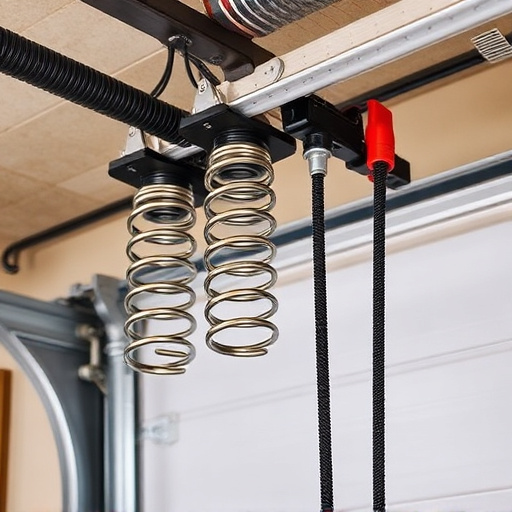
In the bustling homes of Tucson, garage door springs are often overlooked until they fail, leading to costly repairs or even door damage. Understanding spring replacement estimates is crucial for Tucson homeowners, especially when navigating the options between single and double springs. With estimates ranging widely, it's easy to feel misled. This article serves as your practical guide, helping you compare estimates and make informed decisions. We'll examine the factors affecting cost, dispel myths about torsion vs. Extension springs, and highlight signs of a failing spring. By the end, you'll be equipped to ensure your garage door service is both efficient and affordable.
Assessing Garage Door Spring Types
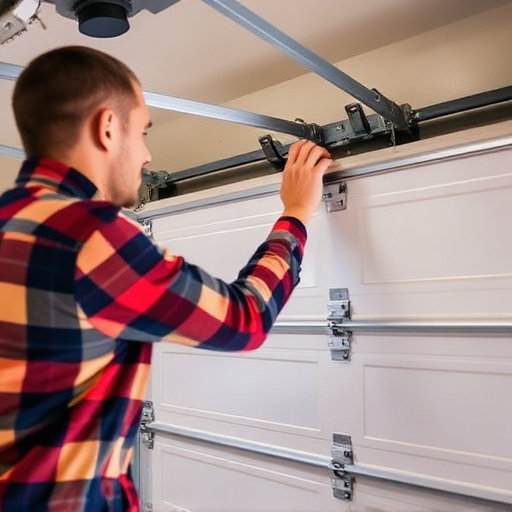
When assessing a garage door spring replacement, understanding the types of springs available is crucial. The most common types are single and double springs. Single springs are used for lighter door weights, typically up to 250 pounds, while double springs support heavier doors, usually over 300 pounds. The choice between these depends on your door's weight and the spring's capacity to withstand the stress.
In Tucson, the climate plays a role in spring longevity. The intense heat can accelerate rust and corrosion, so oil-tempered springs may be preferable over galvanized springs. Oil-tempered springs, made from a special alloy, offer better resistance to heat-induced damage and rust. This is a key consideration when comparing estimates, as the cost of springs can vary based on material quality and type. Local garage door technicians recommend considering the wire gauge, which indicates the spring's thickness and strength. Higher gauge numbers mean thinner, stronger springs, which might be necessary for heavier doors.
The estimate should also break down the cost of springs versus labor. Double springs, for instance, often require two technicians and specialized tools, increasing the service call cost. Springs for insulated or wood doors might have unique requirements, such as specific sizes or the need for additional hardware. A comprehensive estimate from a licensed Tucson garage door company should include these details, allowing you to make an informed decision. Remember, while DIY spring repair may seem appealing, it's often safer and more effective to leave this work to professionals, especially when dealing with high-cycle springs designed for frequent use.
Understanding Estimate Components

Understanding the components of a garage door spring estimate is crucial for Tucson homeowners. When comparing quotes from local garage door repair companies like Eddies Garage Door Service, you'll encounter several key elements that can vary significantly. Two common types of springs, single and double, play a big role in the cost. Single springs are typically used on lighter doors, while double springs are designed for heavier ones, like those on two-car garages. A professional technician will assess your door weight and recommend the appropriate spring type, along with considering factors like wire gauge and spring length. A torsion spring, often preferred for its safety features, can range from 15 to 20 inches in length, while extension springs, known for their simplicity, usually measure between 12 and 18 inches.
The estimate should also break down the labor and material costs separately. Labor charges can vary widely depending on the complexity of the repair, the number of springs replaced, and the company's rates. Material costs refer to the springs themselves, which are available in different materials like oil-tempered or galvanized steel, each with its own price point. The estimate might include a line item for safety features like extension spring safety cables and torsion tube problems, which are crucial for preventing accidents.
Another aspect to scrutinize is the warranty offered by the garage door spring company. Some companies may only cover labor, while others provide warranties on both parts and labor. A comprehensive warranty is especially important for the longevity of your garage door system. Lastly, consider the time frame for the repair. Most local installations take one to two days, but emergency services may be available at a higher cost.
Factors Affecting Spring Cost

When evaluating garage door spring replacement costs, understanding the factors that influence pricing is crucial. The primary determinant is the type of springs required: single or double. Each has its advantages and, consequently, its price range. Single springs, for example, tend to be less expensive and are suitable for lighter doors, while double springs are designed for heavier doors and consequently carry a higher cost.
Another critical factor is the spring's cycle rating. This measures the spring's lifespan, with higher ratings indicating longer-lasting springs. A spring with a 10,000 cycle rating will last longer than one with a 5,000 cycle rating. When comparing estimates, ask your potential service providers about the cycle ratings of the springs they recommend. The type of spring-torsion or extension-also affects cost. Torsion springs, commonly used in larger doors, have a different construction than extension springs and are usually more expensive.
Consider the cost of winding cones and other hardware. Cones, which facilitate the spring's winding and unwinding, come in various sizes and materials, each impacting the overall cost. Oil-tempered springs, known for their strength and durability, will cost more than galvanized springs, which are less expensive but may require more frequent replacement. Eddies Garage Door Service, a local Tucson company, emphasizes transparency in pricing, so you can trust that their estimates will include all these essential factors.
Lastly, remember that the price difference between single and double springs, or torsion and extension springs, can be significant. Understanding these distinctions will help you make an informed decision. While a double spring might be twice as expensive as a single, it could also mean less frequent replacements, potentially saving you money in the long run.
Frequently Asked Questions About a checklist for comparing garage door spring estimates
What is the average cost of garage door spring replacement?
The cost of garage door spring replacement varies based on the type of spring, the size of the garage door, and the labor involved. According to Eddies Garage Door Service, a local Tucson garage door specialist, the average cost ranges from $150 to $350. This includes parts and labor. However, more complex situations, like spring failure due to weather damage, might increase the cost.
How do I know if I need to replace garage door springs?
Declining performance is a clear sign. If your garage door is difficult to open or close, makes unusual noises, or has a noticeable spring tension change, it's likely time for replacement. Regular maintenance, such as oiling and adjusting the springs, can prolong their life, but eventually, they will need to be replaced.
What are the different types of garage door springs?
There are primarily two types: extension springs and torsion springs. Extension springs are common in older doors and are replaced individually. Torsion springs, found in most modern doors, are replaced as a whole unit, offering superior safety and a smoother opening.
Can I replace garage door springs myself?
While some homeowners may be capable of replacing springs, it's generally recommended to hire a professional. Garage door springs are under great tension, posing potential safety risks. A licensed Tucson garage door company like Eddies can handle the job efficiently and safely, ensuring the springs are replaced correctly.
How long does it take to replace garage door springs?
Most installations take one to two days, including the time for the technician to arrive, complete the assessment, order parts if necessary, and replace the springs. This timeline ensures a thorough job without cutting corners.
When comparing garage door spring estimates, understanding the types of springs, the components included, and the factors influencing cost is key to making an informed decision. The article has highlighted the differences between torsion and extension springs, the advantages of single vs double springs, and the importance of considering door weight and heat resistance. By breaking down the estimate into its parts-material, labor, and any additional services-homeowners can better assess the value offered by each service provider.
Practical next steps include prioritizing companies that offer transparent estimates, checking for warranties, and ensuring safety measures like extension spring safety cables and proper winding bars are included. Being aware of local building codes and the potential for torsion tube problems can prevent future issues.
A thorough understanding of garage door spring dynamics and the estimate process empowers Tucson homeowners to make confident choices, ensuring their safety and the reliable operation of their doors for years to come.
When comparing garage door spring replacement estimates in Tucson, consider the door's weight and the spring's capacity (single vs double) to withstand stress. Oil-tempered springs, preferred for their heat resistance, cost more than galvanized springs. Wire gauge, indicating spring thickness and strength, is crucial for heavier doors. Labor and material costs vary; double springs and specialized hardware can increase expenses. A comprehensive estimate should include spring type, cycle rating, hardware, and warranties, enabling informed decision-making.