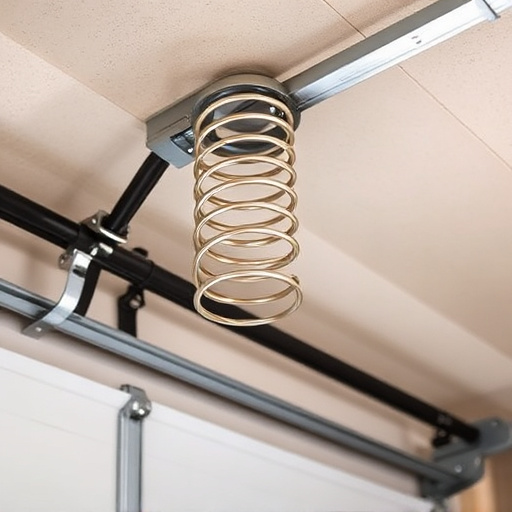
Garage door springs: they're the unsung heroes that keep your vehicle safe and your entrance secure. But when a spring breaks, the sound can be deafening, signaling a serious issue. Neglecting spring repair or replacement can lead to costly damages, from door misalignment to safety hazards. Understanding spring repair, especially for noise fixes, is crucial for Tucson homeowners. This checklist guides you through comparing estimates, ensuring you're getting a quality job at a fair price. From identifying torsion versus extension springs to learning the benefits of high-cycle springs, you'll be equipped to make informed decisions. Let's demystify garage door spring replacement and get your doors back in working order, quietly and efficiently.
- Assessing Garage Door Spring Estimate Accuracy
- Understanding Spring Repair and Replacement Costs
- Diagnosing and Fixing Common Spring Noise Issues
Assessing Garage Door Spring Estimate Accuracy
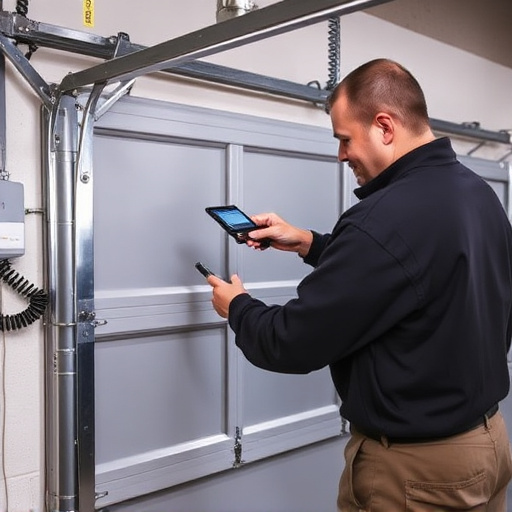
When evaluating a garage door spring estimate, one of the most critical aspects is ensuring the accuracy and comprehensiveness of the figures presented. A seemingly low quote could mask subpar materials or inexperienced labor, while a high estimate might not account for your specific door's needs. Here's how to dissect an estimate to make sure it aligns with your expectations and your door's requirements.
First, ask the technician about the estimated spring length. The length should be measured precisely, as it directly impacts the spring's strength and cost. In Tucson's climate, where heat can cause springs to expand, ensuring the spring's length is correct is vital to prevent future failures. Next, inquire about the type of spring being recommended-extension or torsion. Each has unique benefits and costs, with torsion springs often preferred for heavier doors due to their superior strength. The technician should also discuss wire gauge, a measure of the spring's steel thickness; thicker wires offer more durability but come at a higher cost.
Another crucial factor is the inclusion of safety cables, which are essential for preventing springs from snapping and causing injury. Ensure the estimate includes these cables in the service call, as they are often overlooked but add a layer of safety and longevity to the repair. The technician should also mention any additional services, such as adjusting the door balance or lubricating the springs, which can affect the final cost. A two-car door with heavy insulation might require a stronger spring and additional conversion kits.
Finally, consider the warranty offered with the spring replacement. A reputable local Tucson garage door technician will provide a guarantee on both parts and labor, offering peace of mind. Compare this warranty to the manufacturer's recommendations and ensure the estimate includes all necessary components to avoid hidden costs down the line. Remember, if a spring is failing, it's often better to replace both springs simultaneously, as they work in tandem, and a DIY repair could lead to premature failure due to imbalanced tension, creating a noisy door that requires frequent spring noise fixes.
Understanding Spring Repair and Replacement Costs
Understanding Spring Repair and Replacement Costs is a critical aspect of maintaining your Tucson garage door system. The cost of a garage door spring repair or replacement varies widely depending on several factors. The type of spring, the size and weight of your door, and the complexity of the repair all play a role. Let's break down the differences between torsion and extension springs, a key consideration. Torsion springs, commonly used in larger, heavier doors, offer superior strength and durability. Extension springs, found in lighter doors, are more affordable but may require more frequent replacement.
A family run Tucson garage door business recommends assessing the soundness of your springs. High-pitched squeaking or metallic clanging are often signs a spring is failing. Regular spring maintenance, including lubricating moving parts and inspecting for wear and tear, can extend their lifespan. However, if a spring breaks, replacement is usually necessary. The cost of a professional spring service call, which includes inspection, repair, or replacement, can range from $100 to $400 or more, depending on the above factors.
Spring warranty coverage is another important consideration. Some manufacturers offer limited warranties on their springs, while others provide more comprehensive coverage. Understanding the warranty terms ensures you're protected against future repairs or replacements. Finally, don't overlook the importance of door balance after spring work. Imbalanced doors can lead to safety hazards and increased wear on other door components. Professional technicians can ensure your door is correctly balanced for safe and efficient operation. Remember, when dealing with garage door springs, safety is paramount, so avoid DIY repairs unless you are an experienced homeowner with a thorough understanding of spring mechanics. Extension spring safety cables, designed to prevent catastrophic failure, must be installed correctly to ensure safety.
Diagnosing and Fixing Common Spring Noise Issues
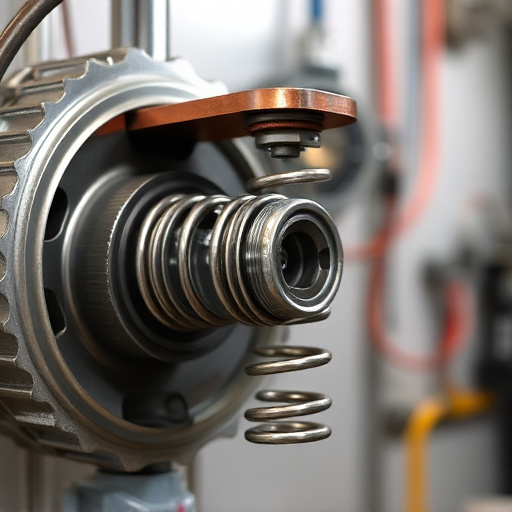
Spring noise can be a common issue, often indicating a problem with your garage door springs. Diagnosing and fixing these issues is crucial not only for the safety of your door but also to prevent further damage. A family run Tucson garage door business often encounters spring noise complaints, and the solutions can range from simple adjustments to complete spring replacement.
The first step is to identify the source of the noise. Common spring noise problems include squeaking, creaking, or a high-pitched whining. These sounds can be caused by worn or damaged springs, loose components, or imbalances in the door system. A wire gauge that's too thin or improperly installed can lead to excessive spring tension, resulting in noise. It's also essential to check the cycle rating of your springs; higher-rated springs may need to be replaced more frequently due to increased stress.
Safety cables play a vital role in spring noise reduction, especially for extension springs. Over time, these cables can stretch or fray, leading to unsafe conditions. Regular inspection and replacement, as recommended by the Tucson Better Business Bureau (BBB), can help mitigate these risks. When addressing spring noise, a licensed technician may also adjust the safety cable tension or suggest the use of spring conversion kits for a quieter, more efficient operation. Remember, DIY spring repair can be dangerous, especially when dealing with high-tension springs. Letting a professional handle these issues ensures the job is done safely and correctly, extending the life of your springs.
Frequently Asked Questions About a checklist for comparing garage door spring estimates
What is the most common cause of garage door spring failure? Garage door springs fail due to wear and tear from repeated use, as well as environmental factors like extreme temperatures and rust. Over time, springs lose their tension and strength, making them prone to breakage. Proper maintenance, including regular lubrication and adjustments, can extend the lifespan of springs.
How do I know if I need a new garage door spring? Signs of a faulty spring include a garage door that is difficult to open or close, a loud squeaking or popping noise when operated, and visible damage or rust on the spring coils. If the door balancers are no longer effective, or if the door does not stay open or closed, a new spring might be necessary.
What should I look for when comparing garage door spring estimates? When comparing estimates, consider the contractor's experience and reputation, the type of spring recommended, and the labor costs. Ensure the contractor provides a detailed breakdown of the estimate, including parts and labor. Ask for references and verify the company's licensing and insurance to ensure a professional and reliable service.
Are there different types of garage door springs? Yes, garage door springs come in various types, including extension springs and torsion springs. Extension springs are common in residential doors and use a cable system to extend and retract. Torsion springs, found in larger doors, are coiled and rotate to open and close the door. The choice depends on door size, weight, and opening mechanism.
How long does it typically take to replace a garage door spring? Most garage door spring replacements take a licensed professional anywhere from one to two days, including the time needed for measurement, ordering (if necessary), and installation. The exact timeline can vary based on the complexity of the job and the contractor's schedule.
What happens if I try to replace the spring myself? Attempting to replace a garage door spring without proper training and tools can be dangerous. Improper installation can lead to property damage, personal injury, or even failure of the new spring. It's advisable to hire a licensed professional for the job to ensure safety and longevity of the new spring.
Can I save money by replacing both springs at once? Replacing both springs simultaneously might seem cost-effective, but it's not always the best strategy. The condition of each spring should be evaluated independently. Sometimes, one spring may still have life left while the other needs immediate replacement. A professional can assess and recommend the best course of action for your specific situation.
Understanding garage door spring estimates is crucial for Tucson homeowners. By assessing the accuracy of quotes, recognizing the costs associated with repair and replacement, and learning to diagnose and fix common spring noise issues, you can make informed decisions and ensure the safety and functionality of your garage door. Remember, spring noise fixes are often as simple as lubricating the springs or replacing worn components, but they can also signal more serious issues. Regular maintenance and prompt attention to signs of failure can extend the life of your springs and prevent costly emergencies. Rely on trusted local professionals and refer to the Arizona Department of Consumer Protection and HomeAdvisor for guidance when navigating the repair process.
When evaluating garage door spring costs, consider:
- Spring type (torsion vs. Extension) and wire gauge for strength and price.
- Safety cables for prevention of spring failures and injuries.
- Door balance and potential conversion kits for heavier doors.
- Warranty on springs and labor to avoid future costs.
Spring noise fixes:
Identify sources like worn springs, loose components, or imbalances. Safety cables (especially for extension springs) should be regularly inspected and replaced. Professional technicians can adjust tensions or recommend conversion kits for quieter operation. DIY spring repair is risky; trust licensed pros for safety and effectiveness.