In the world of garage door maintenance, understanding the difference between torsion and extension springs is crucial. These springs are the backbone of your door's operation, yet many homeowners overlook their importance until a problem arises. The garage door, a daily essential, can't function without them. This article examines the distinct characteristics, applications, and maintenance needs of these springs, offering a practical guide to help you navigate the often confusing world of spring repair. By the end, you'll have a clear understanding of when to replace them, the factors influencing cost, and how to ensure your door operates smoothly. Get ready to demystify garage door springs and gain valuable insights for a safe, efficient, and well-maintained door system. In Tucson, a city where heat can accelerate spring wear, a thorough spring estimate breakdown becomes essential.
- Understanding Torsion and Extension Springs
- Key Differences: Function and Application
- Spring Estimate: Breaking Down Costs and Components
Understanding Torsion and Extension Springs
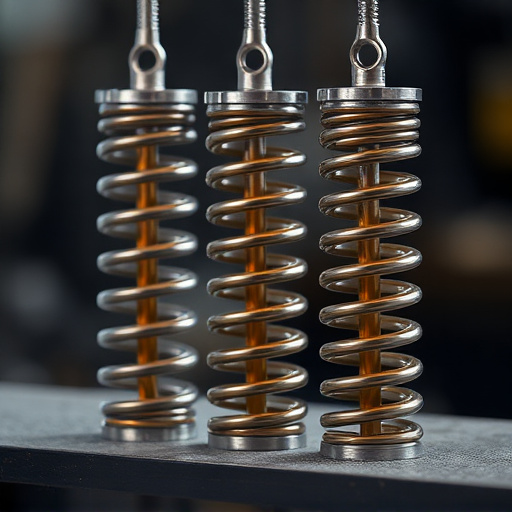
Torsion and extension springs are the unsung heroes of garage door mechanics, each playing a unique role in ensuring your door operates smoothly and safely. Understanding the differences between these springs is crucial for both homeowners and professional installers alike. An experienced Tucson garage door installer often encounters these types during spring replacement, and knowing their nuances can lead to better decisions and a more accurate spring estimate breakdown.
Torsion springs, housed in a cylindrical tube, are responsible for lifting the majority of the door's weight. They operate on a continuous loop, allowing for a smooth and balanced opening and closing. The spring length, or the distance the spring can extend, is a critical factor here. Longer torsion springs accommodate larger, heavier doors, providing the necessary force for smooth operation. Safety is also paramount when dealing with torsion springs. Their high cycle ratings indicate their ability to withstand frequent use without failure. Windings cones, for instance, help maintain the spring's shape and prevent premature wear.
Extension springs, on the other hand, are linear springs that extend and contract to provide the force needed for door closure. They're typically found on single or double-door systems. Unlike torsion springs, extension springs don't carry the full weight of the door but rather assist in the closing action. The spring's size is determined by the door weight, with heavier doors requiring stiffer springs. A two-car door spring repair will involve a stronger extension spring than a single-door setup. When considering a spring replacement, a professional will account for these factors in the spring estimate breakdown, ensuring you get the right springs for your needs.
Corrosion, a common issue in Tucson's hot climate, can affect both types of springs. Oil-tempered springs, known for their durability, can be more resistant to rust, whereas galvanized springs offer a protective zinc coating. Regular lubrication is a practical way to combat corrosion, but it's not a DIY job. Attempting to lubricate springs without proper knowledge can be dangerous. Applying too much lubricant can lead to spring failure. Always consult a professional for spring conversion kits or any repair work, ensuring the job is done safely and accurately.
Key Differences: Function and Application

Torsion and extension springs serve distinct roles in garage door functionality, with key differences in their function and application. While torsion springs, housed in a coil inside the door frame, are responsible for lifting the entire door weight, extension springs attach to the door and track system, responsible for the door's balance and stability during opening and closing. Understanding these differences is crucial when considering a spring replacement.
When deciding between single and double garage door springs, factor in your door's weight. Heavier doors require stronger springs, and double springs offer higher capacity. A licensed Tucson garage door company recommends evaluating your door's weight and considering the spring's gauge (a measure of its strength) to make an informed choice. A 7-foot door with a 250-pound weight may require a 14-gauge single spring, while a 10-foot door with a 400-pound weight could necessitate a 12-gauge double spring.
Powder coating is an additional consideration. This protective layer enhances the spring's durability against rust and corrosion, especially in Tucson's hot climate. The coating also contributes to a cleaner, more aesthetically pleasing appearance. However, it's not just about looks; a well-coated spring can extend its lifespan, reducing the need for frequent spring estimates and replacements.
In terms of application, extension springs are typically used on residential doors, providing the necessary tension to keep the door aligned with the track. They are versatile, offering quick and easy adjustments for fine-tuning door balance. On the other hand, torsion springs dominate commercial settings due to their ability to support higher weights, making them ideal for larger, industrial-style doors.
The choice between torsion and extension springs depends on your specific needs. A thorough understanding of your door's requirements and the environment it operates in will guide you in making the right selection, ensuring optimal performance and longevity.
Spring Estimate: Breaking Down Costs and Components
Estimating garage door spring replacement costs in the desert heat of Tucson involves a deeper understanding of spring types and their components. The two primary types, torsion and extension springs, serve different functions and are suited to specific door weights. A Tucson garage door specialist recommends considering spring length, door weight, and the local climate when preparing a spring estimate breakdown.
Torsion springs, often found on larger, heavier doors, are designed to keep the door in a raised position. They operate through a system of tubes and wires, allowing for a smoother opening and closing. Extension springs, on the other hand, are used on lighter doors and work by stretching to lift the door. Both springs are subject to wear and tear, especially in the extreme temperatures of Tucson's desert heat, which can accelerate corrosion and reduce spring life.
When breaking down the cost of a spring estimate, several factors come into play. First, the spring length must be determined based on the door's weight and balance. A heavier door may require a longer torsion spring to ensure proper door alignment. Next, the spring's wire size and material, such as oil-tempered or galvanized steel, impact the price. Higher cycle springs, designed for frequent use, are more expensive but offer longer lifespan. Safety cables, winding bars, and conversion kits may be needed, each adding to the overall cost. The Tucson Better Business Bureau (BBB) recommends comparing quotes from multiple local garage door repair companies to ensure you're getting a fair estimate.
A detailed spring estimate breakdown should include not just the cost of the springs themselves but also labor, taxes, and any additional services required. If a broken spring has caused door misalignment, balance adjustment might be needed, adding to the total. A local Building Codes Department can provide insights into any permit requirements, which may also factor into the overall cost. By understanding these components, homeowners can make informed decisions when replacing garage door springs and ensure their safety and door functionality.
Frequently Asked Questions About an Explainer on Torsion and Extension Springs and How They Differ
What are torsion springs?
Torsion springs are helical springs that store energy by twisting around their axis. Commonly used in garage doors, gates, and other applications requiring a powerful, consistent force, torsion springs' design allows them to handle heavy loads and maintain their shape under stress. They are known for their longevity and ability to support high opening and closing forces.
How do extension springs work?
Extension springs, in contrast, are designed to resist force by extending or stretching. They are often used in applications like garage doors, fences, and industrial machinery to control the speed of a moving object or provide a return force. Unlike torsion springs, extension springs can only support tensile strength and lose their shape when extended.
Where are torsion springs typically used?
Torsion springs are most commonly found in garage door systems, where they help balance the door, providing the necessary force for smooth opening and closing. They are also used in industrial applications, such as material handling equipment, and in some window and door hardware.
Are extension springs suitable for all purposes?
While extension springs are versatile, they are not always the best choice. They are best suited for applications where a spring needs to be stretched to provide resistance, such as in fencing or certain types of machinery. Their strength lies in tensile strength, so they are not recommended for compressive forces or heavy-duty applications like garage door opening where torsion springs excel.
What factors should I consider when choosing between torsion and extension springs?
When selecting between torsion and extension springs, consider the application's specific needs. Torsion springs are ideal for heavy-duty, constant cycle use, such as garage doors, and provide a consistent force throughout the door's opening and closing. Extension springs are better suited for applications requiring force in one direction, like controlling the speed of a gate or fence.
How long do torsion and extension springs typically last?
The lifespan of both types of springs varies based on factors like material quality, usage frequency, and environmental conditions. With proper care and maintenance, high-quality torsion and extension springs can last 5,000 to 20,000 cycles or more. Regular inspection and replacement when needed, especially in heavy-use applications, are crucial for safety and efficiency.
Understanding the distinction between torsion and extension springs is crucial for any Tucson homeowner or business owner navigating garage door maintenance. This article has demystified these springs' functions, applications, and costs, offering a comprehensive spring estimate breakdown. Key takeaways include the importance of replacing both springs for optimal door balance and safety, especially in the Tucson heat, where springs may experience accelerated wear. We've also highlighted the differences in spring materials, sizes, and cycle ratings, emphasizing the need for professional assessment and service. Moving forward, when considering a spring repair or replacement, remember to:
- Consult a licensed local garage door specialist for expert advice tailored to your specific door weight and design.
- Request a detailed spring estimate that includes component costs and labor, ensuring transparency and a clear understanding of the work involved.
- Prioritize safety by understanding the potential dangers of DIY spring repair and the critical role of safety cables and torsion tube components.
By following these practical steps, Tucson residents can ensure their garage doors function reliably, safely, and efficiently.
Torsion vs. Extension Springs in Tucson Garage Doors:
Torsion and extension springs, though distinct, are vital for smooth garage door operation. Torsion springs lift heavy doors in a balanced manner, while extension springs assist in closing lighter doors. Spring choice depends on door weight, climate, and cost, with torsion springs for heavier doors and extension springs for residential use. Spring estimate breakdown includes spring length, wire size, material, labor, taxes, and safety components, with local permits potentially adding to costs. Understanding these factors ensures accurate estimates and safe, efficient garage door function in Tucson's climate.