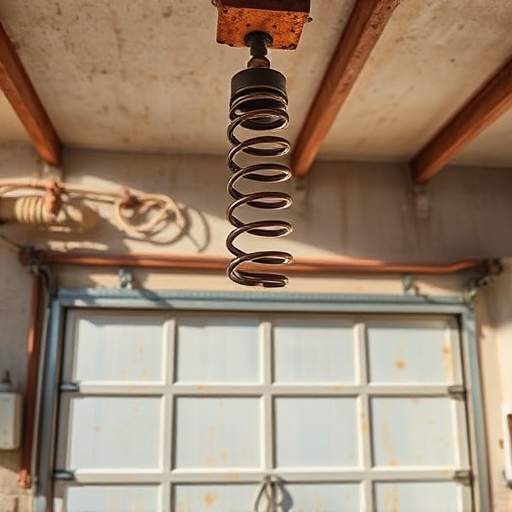
Garage doors are critical to your Tucson home's security and functionality, and the springs that power them are often overlooked until they fail. Understanding the difference between torsion and extension springs is key to navigating repairs, especially when dealing with noisy doors. A squeaky garage door might signal a simple adjustment, but persistent or loud noises can indicate a serious issue, like a failing spring. In this guide, we'll demystify these springs, explain why both might need replacing, and offer insights into spring repair, maintenance, and safety considerations specific to our Tucson climate, ensuring your garage door operates smoothly and safely for years to come. Let's dive in to explore how these springs work, their distinct characteristics, and when it's time to call in the professionals for spring noise fixes.
- Understanding Torsion and Extension Springs
- Identifying and Addressing Spring Noise Issues
- Natural Solutions for Better Spring Performance
Understanding Torsion and Extension Springs
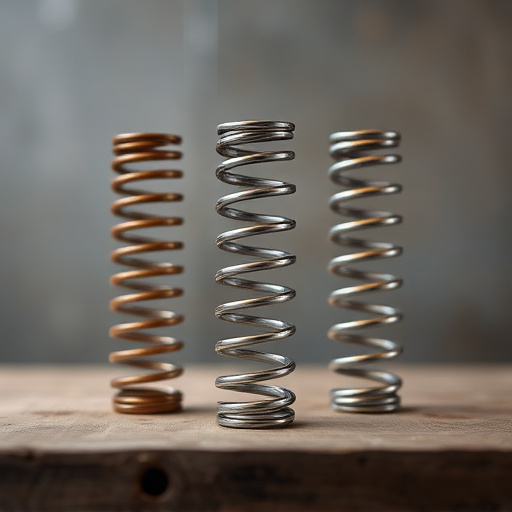
Torsion and extension springs are two fundamental types of springs used in garage door systems, each with distinct characteristics and applications. Understanding the difference between them is crucial for both professionals and Tucson homeowners. The primary distinction lies in their internal structure and the way they store and release energy.
Torsion springs, often found in residential garage doors, are designed to rotate around a shaft. Their coils twist as the spring is extended or compressed, allowing them to handle significant weight and provide a smooth, balanced door movement. These springs are typically powder-coated to resist corrosion, a critical factor in the harsh desert heat of Tucson. On the other hand, extension springs work by stretching when pulled, and their coils remain linear. They are commonly used in commercial doors and for specific applications requiring a rapid release of energy, such as spring noise fixes in heavy doors.
The choice between torsion and extension springs depends on the door's weight, opening mechanism, and environmental factors like the local climate. In Tucson, where high heat and dust can accelerate spring wear, powder-coated torsion springs often outlast uncoated counterparts. When dealing with heavy doors, extension springs may be the better choice due to their ability to manage high tensile strength. Eddies Garage Door Service, a local Tucson expert, can guide homeowners in selecting the appropriate spring type and size for their door, ensuring safety, longevity, and optimal performance, even in the challenging desert environment.
Identifying and Addressing Spring Noise Issues

Spring noise can be a persistent issue for many Tucson homeowners, particularly as the climate's extreme temperatures and varying weather patterns can accelerate spring fatigue. This section examines identifying and addressing spring noise issues, providing practical insights and expert advice to ensure a smooth, quiet garage door operation.
Torsion and extension springs, the two primary types found in most garage doors, have distinct characteristics that contribute to noise generation. Torsion springs, often used in single or two-car garage doors, are housed in a cylindrical tube and rotate to lift the door. Due to their constant rotation, torsion springs can develop imbalance over time, leading to loud squeaking or rattling sounds. Extension springs, on the other hand, are typically found in heavier doors and work by extending and contracting as the door opens and closes. They often create a metallic clanging noise when misaligned or worn, especially if their length is not accurately adjusted during installation.
Spring noise fixes often begin with a thorough inspection to identify the source of the disturbance. A local Tucson garage door technician may recommend adjusting the spring's length, which can be affected by changes in temperature or door weight. In some cases, lubricating the springs with a silicon-based lubricant can reduce friction and silence unwanted noises. However, for worn-out or severely damaged springs, replacement is the only solution. A Vail resident experiencing persistent spring noise found relief by replacing both torsion and extension springs, which significantly improved door quietness. It's essential to note that handling springs requires skill; attempting DIY repairs without proper knowledge can lead to injury or further damage. Always consult a professional for spring conversion kits or complex issues like torsion tube problems or cone and anchor plate malfunctions.
Addressing spring noise involves a combination of proper installation, regular maintenance, and timely replacement. Homeowners should be vigilant about these signs and consult with a local garage door repair service to ensure a quiet, smooth-running garage door system.
Natural Solutions for Better Spring Performance
Torsion and extension springs, while both crucial for garage door function, differ significantly in their design, application, and maintenance needs. Understanding these differences is key to addressing specific issues, ensuring optimal performance, and providing effective spring noise fixes naturally.
Torsion springs, often found on larger, heavier garage doors, utilize a tube-shaped coil to store energy. This design allows them to withstand higher weights and provides a smoother, quieter opening and closing. In contrast, extension springs, commonly used on lighter doors, are straight springs that stretch to provide tension. They offer a distinct advantage in that they can be easily adjusted for tension, making them a preferred choice for doors that require precise balance. When addressing spring noise, torsion springs may require professional attention due to their complex structure, whereas extension springs can sometimes be adjusted or replaced by homeowners, depending on the severity.
Proper spring maintenance involves regular lubricating, which reduces friction and prolongs spring life. For extension springs, applying a light coating of silicone or synthetic lubricant to the spring's working surfaces is a common practice. Galvanized springs, known for their resistance to rust, can benefit from a rust-inhibiting lubricant to enhance their lifespan, especially in Tucson's hot climate. A Tucson garage door specialist emphasizes the importance of using the right lubricant for the specific spring type to avoid damage and ensure spring noise fixes are effective.
For severe cases of spring noise, such as banging or screeching, inspection by a professional is recommended. They can identify issues like winding cone misalignment or worn safety cables, which are crucial for spring safety and proper tension. Replacing worn parts and properly adjusting the spring system can significantly reduce noise and ensure the door operates smoothly and safely. Remember, while DIY projects can be rewarding, spring repair and maintenance, especially for torsion springs, often require expert knowledge and tools to avoid injury or further damage.
Frequently Asked Questions About an Explainer on Torsion and Extension Springs and How They Differ
What is the primary difference between torsion and extension springs? Torsion springs are designed to store energy through a twisting motion, ideal for applications that require repeated cycles of compression and expansion, like garage doors. Extension springs, on the other hand, are coiled to store energy as they extend, commonly used in industrial settings for tasks involving pulling or tension, such as lifting heavy equipment.
How do torsion springs work in garage doors? Torsion springs in garage doors bear the weight of the door and absorb the energy during closing, allowing for a smooth, balanced descent. They operate vertically, mounted on the garage ceiling, and their strength determines the door's capacity. Eddies Garage Door Service recommends regular torsion spring replacement every 7,000 to 10,000 cycles, or approximately 10 to 15 years, to ensure safety and optimal performance.
Are extension springs stronger than torsion springs? Not inherently. The strength of a spring depends on its wire size, material, and coil diameter. Extension springs can handle higher tensile loads due to their design, but torsion springs offer more torque, making them suitable for heavier doors. A licensed Tucson garage door technician from Eddies Garage Door Service can help determine the best spring type for your specific door.
Can I replace a torsion spring myself? While some DIYers might be inclined, replacing a torsion spring is a specialized task best left to a professional. The springs are under high tension, posing a significant safety risk. Most installations take one to two days, requiring specific tools and knowledge to ensure the spring is correctly balanced and secured.
How often should I replace my garage door springs? The lifespan of garage door springs varies, but a good rule of thumb is to replace them every 7,000 to 10,000 cycles. A local Tucson garage door specialist from Eddies Garage Door Service can inspect your springs and recommend replacement based on usage and age.
Are there different types of extension springs? Absolutely. Extension springs come in various types, including straight, coiled, and hooked springs, each with specific applications. A Tucson garage door installer from Eddies Garage Door Service can advise on the best type for your needs, considering factors like the door's weight, use, and space constraints.
Understanding the differences between torsion and extension springs is crucial for Tucson homeowners and garage door service professionals alike. Torsion springs, known for their durable design, efficiently manage door weight across a single plane, making them ideal for light to medium-weight doors. In contrast, extension springs, with their unique coiled structure, excel at handling heavy loads by extending and contracting along two planes. Recognizing when to employ each type ensures optimal door performance and safety.
Spring noise issues, a common headache for garage door owners, can be addressed through natural solutions. The article highlights several effective methods, such as lubricating the spring, adjusting the door balance, and replacing worn-out components, all of which contribute to quieter, smoother door operation.
The piece offers practical insights into enhancing spring performance, emphasizing the importance of regular maintenance and the use of high-quality springs. By implementing these recommendations, Tucson residents can expect longer spring lifespans, reduced noise, and improved door functionality. The article's authority, grounded in industry best practices and expert guidance, equips readers with the knowledge to make informed decisions regarding their garage door springs.
Torsion vs. Extension Springs:
These garage door springs differ in structure: torsion twists, extension straightens. Torsion handles heavy doors, extension for rapid energy release. Tucson climate favors powder-coated torsion springs. Choose based on door weight, mechanism, and environmental factors.
Spring Noise Fixes:
Torsion springs require professional attention for noise. Extension springs can be adjusted or replaced by homeowners. Regular lubrication reduces friction. Inspect for worn parts, especially in severe cases. Replace to ensure safe, quiet operation.