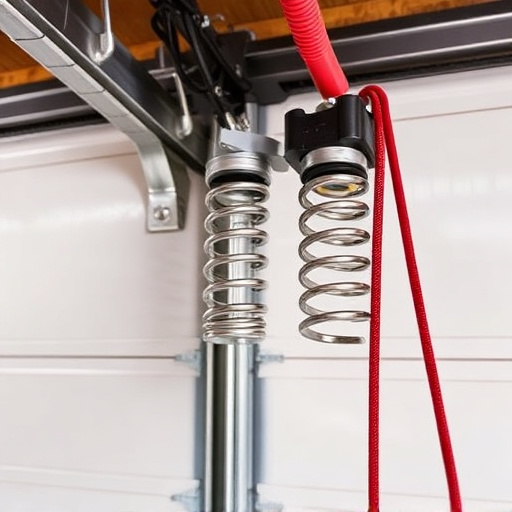
In the world of garage door mechanisms, understanding the difference between torsion and extension springs is crucial for both professionals and homeowners. These springs, vital components in the door's lifting system, come in various types, each with unique characteristics and applications. Homeowners often face the daunting task of deciding when to replace these springs, especially with the added concern of extending the spring warranty. This article aims to demystify the intricacies of torsion and extension springs, highlighting their distinct roles, common issues, and the importance of professional spring service calls. By the end, you'll grasp why a comprehensive understanding of these springs is key to ensuring your garage door operates safely and efficiently.
- Understanding Torsion Springs: Basic Function and Applications
- Extension Springs: Types, Uses, and Installation Considerations
- Spring Warranties: Ensuring Longevity and Peace of Mind
Understanding Torsion Springs: Basic Function and Applications
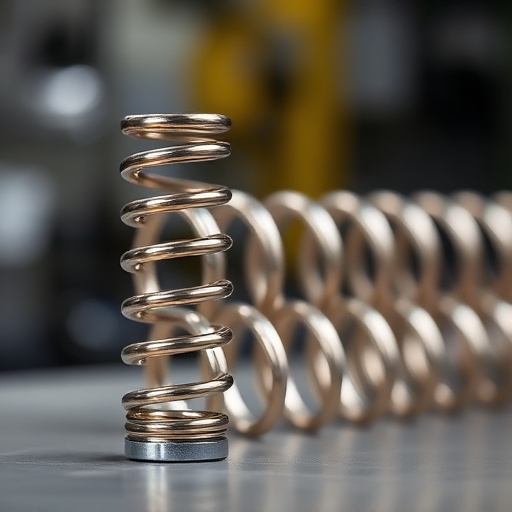
Torsion springs are a fundamental component in garage doors, responsible for storing and releasing energy to smoothly open and close your door. Unlike extension springs, which run parallel to the door, torsion springs are coiled and mounted on a shaft at the top of the door. This unique design allows them to handle the weight of the door directly, making them ideal for heavier garage door systems. In Marana and surrounding areas, a Tucson garage door specialist often recommends replacing both springs simultaneously, as they work in tandem to ensure optimal performance and safety.
The basic function of a torsion spring is to rotate around its shaft, converting the door's vertical motion into horizontal movement. This rotation is crucial for maintaining door balance and stability. Spring length, measured from the center of the coil to the attachment point, matters in spring selection. A Tucson garage door service company often considers factors like door weight and spring wind rating when determining the appropriate spring length. Powder-coated finishes, for instance, offer better rust resistance, ensuring a longer spring lifespan.
Spring warranties are an essential consideration when dealing with torsion springs. Quality manufacturers offer warranties that vary based on spring type and material. Oil-tempered springs, known for their strength and durability, often come with longer warranties than galvanized springs. Understanding these warranties and their implications can help homeowners make informed decisions. Regular maintenance, including lubricating the spring and checking for wear, can also extend the life of your torsion springs. A Tucson garage door repair service can provide guidance on these tasks, ensuring your door operates safely and smoothly for years to come.
Extension Springs: Types, Uses, and Installation Considerations
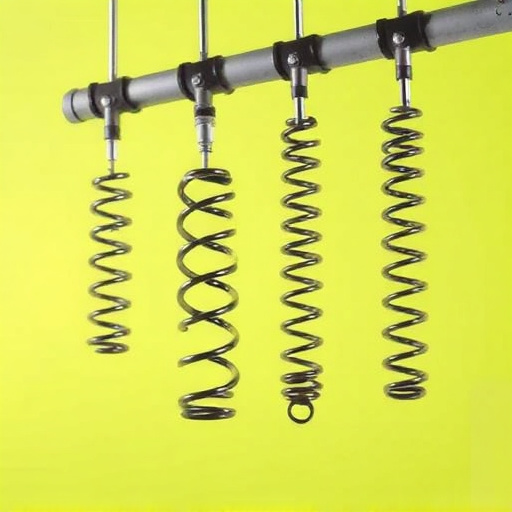
Extension springs, a vital component of many garage door systems, serve a crucial purpose in the door's operation. They are designed to absorb and control the force exerted during opening and closing, ensuring smooth and balanced movement. This type of spring is particularly common in single or double-door garage setups, offering a reliable means of counteracting the weight of the doors.
There are various types of extension springs, each suited to different applications. One notable distinction lies in their material composition. Oil-tempered springs, for instance, are known for their superior strength and resistance to fatigue, making them ideal for heavy doors or environments with high cycle rates. In contrast, galvanized springs offer a more affordable option, suitable for standard-weight doors and less demanding conditions. The choice between these types often depends on the door's weight, the local climate, and the expected usage frequency.
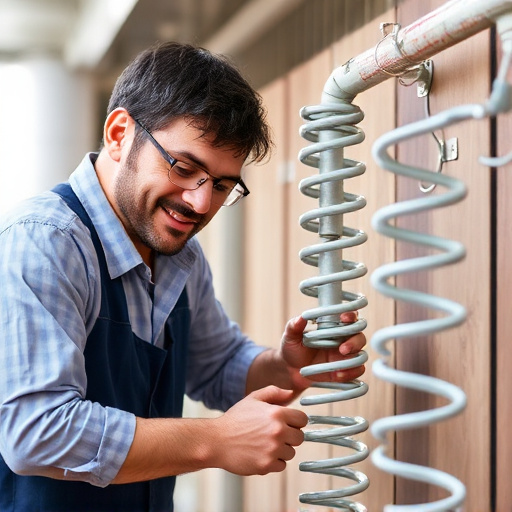
Installation considerations for extension springs are essential for ensuring optimal performance and safety. Proper tensioning is critical; the springs must be securely fastened to the garage door and its corresponding hardware. This process often involves the use of winding bars, which allow technicians to adjust the spring's tension to achieve the correct balance for the door. It's a delicate task, and attempting DIY repairs without the right knowledge can be dangerous. Improperly installed extension springs could lead to door instability, increasing the risk of accidents. That's why many homeowners opt for professional services like Eddies Garage Door Service, which offers expert spring installation and a comprehensive spring warranty, providing peace of mind.
Spring Warranties: Ensuring Longevity and Peace of Mind
Garage door springs come in two primary types: torsion and extension. Understanding the difference between these types is crucial for both safety and cost-effectiveness. A torsion spring, for instance, is a cylindrical coil that rotates around a shaft, typically found in larger, heavier doors. In contrast, extension springs stretch and contract, commonly used in lighter doors. The choice between them isn't just about door weight; it also influences spring life expectancy, maintenance needs, and cost.
When considering a spring warranty, it becomes a critical factor in ensuring the longevity and peace of mind of your garage door system. Spring warranties vary among manufacturers and local garage door specialists. They typically cover the material and workmanship for a specific number of years, with cycle ratings that indicate the spring's lifespan under normal use. A spring with a cycle rating of 10,000 means it's expected to last through 10,000 openings and closings. A Tucson garage door specialist can guide you in selecting a spring with an appropriate cycle rating for your door's usage.
A spring warranty provides several advantages. First, it shields you from unexpected repair or replacement costs. Second, it offers peace of mind, knowing that if a spring fails within the warranty period, it will be replaced or repaired at no extra charge. Some warranties also cover labor costs, further mitigating the financial impact. Remember, though, that not all springs are created equal, and a spring's actual lifespan can vary based on factors like local climate, door balance, and frequency of use. Springs in Tucson may face higher cycle ratings due to the frequent use of garage doors in hot, arid environments.
Choosing a spring with a comprehensive warranty that aligns with your door's specific needs is a smart investment. Regular spring maintenance, including lubricating the coils and checking for signs of rust or corrosion, can also extend the spring's life. A local garage door repair company can perform these checks and offer expert advice on when to replace springs, ensuring your door operates safely and smoothly for years to come.
Frequently Asked Questions About an explainer on torsion and extension springs and how they differ
What is the difference between a torsion spring and an extension spring? Torsion springs store energy by twisting around a shaft, while extension springs store energy by stretching. Torsion springs are commonly used in garage doors and doors with balancing needs, as they can handle heavy weights and provide consistent force. Extension springs, on the other hand, are typically found in windows, gates, and other applications where the spring needs to extend and contract, offering a more versatile force delivery.
How do torsion springs work in garage doors? Torsion springs in garage doors are mounted on a drum above the door opening, with a cable system attached to the door. As the door closes, the spring winds up, storing energy. When the door opens, the stored energy releases, helping to balance and support the door's weight, making it easier to open and close. This design also reduces the overall strain on the garage door opener, increasing the system's efficiency and longevity.
Are extension springs safer than torsion springs? While both have their safety considerations, extension springs generally present less risk in terms of unexpected release of force. Torsion springs, due to their high stored energy, can cause serious injury if they fail or are released suddenly. Proper installation and regular maintenance are crucial for both types, ensuring they function safely and reliably.
Can I replace a torsion spring with an extension spring? Not typically. The replacement depends on the application and the forces involved. Torsion springs are designed to handle heavy vertical loads and provide stable force, while extension springs are better suited for applications requiring back-and-forth motion. Consulting a professional is best to ensure the right spring type for the job.
How often should I replace my garage door springs? Garage door springs typically last 5,000 to 10,000 cycles, or about 7 to 14 years, depending on use and quality. Heavy use, poor installation, or subpar materials can shorten their lifespan. Regular inspections and maintenance can help extend their life, and replacement should be done by a licensed professional to ensure safety and proper tensioning.
Understanding the differences between torsion and extension springs is crucial for any Tucson homeowner or garage door specialist. Torsion springs, often used in heavier doors, offer superior strength and durability due to their coiled design. Extension springs, on the other hand, are common in lighter doors, providing a more cost-effective solution with a focus on flexibility. A key takeaway is that spring warranties, which can range from 5,000 to 20,000 cycles depending on the manufacturer and material, are essential for peace of mind. When considering spring replacement, it's vital to consult with a licensed local garage door company to assess door weight, spring type, and potential safety concerns. Regular spring maintenance and timely repairs, including lubricating and balancing, can significantly extend the lifespan of your springs and ensure the safety and functionality of your garage door system.
Tucson Garage Door Springs: Types, Maintenance, and Warranties
- Torsion vs. Extension Springs: These two types differ in design and application. Torsion springs rotate around a shaft, ideal for heavy doors, while extension springs stretch and contract, commonly used in lighter doors.
- Spring Warranties: Important for peace of mind and cost protection. Coverage varies by manufacturer, including material, workmanship, and cycle ratings. A comprehensive warranty shields against unexpected repairs and replacement costs.
- Spring Lifespan: Influenced by climate, door balance, and usage frequency. Regular maintenance, including lubrication and rust checks, extends spring life.
- Best Practices: Consult with a licensed Tucson roofing contractor (like DC Roofing of Arizona) for spring selection based on door weight and usage. Seek expert advice on maintenance and replacement to ensure safe, smooth door operation.