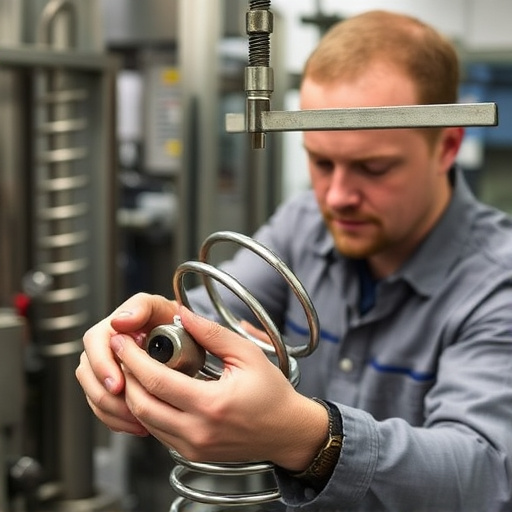
Choosing the right garage door springs is crucial for safe, reliable operation and longevity of your door, especially in Tucson's demanding climate. Whether it's a torsion spring, typically used for heavier doors, or the more common extension spring, understanding the differences and selecting high-cycle springs designed for frequent use can prevent costly breakdowns. This guide will walk you through the factors influencing spring selection, the signs of a failing spring, and the importance of professional installation, providing expert insights to ensure your garage door operates smoothly and securely every day.
- Understanding Daily Stress: Spring Types for Heavy Use
- Factors to Consider: Choosing the Right Spring Type
- Torsion vs Extension: Matching Springs to Application
Understanding Daily Stress: Spring Types for Heavy Use
In heavy daily use, garage doors experience a substantial amount of stress, putting considerable strain on their springs. Understanding the types of springs designed for this challenge is crucial for ensuring reliable, safe, and efficient door operation. For high-cycle springs for heavy use, the choice between torsion and extension springs is key.
Torsion springs, characterized by their cylindrical shape and ability to store energy in a twisted wire, are popular for heavy doors. They handle high loads well and maintain their tension consistently. This makes them ideal for large, heavy doors or doors that open and close frequently. Conversely, extension springs, which straighten under tension, offer a different advantage: they can be installed in a smaller space and provide a noticeable 'pop' as the door opens, enhancing the user experience. However, extension springs may not withstand as much stress as torsion springs, making oil-tempered springs a smart choice for heavy-duty applications.
Consider the door's weight and the frequency of use. A two-car garage door in a family home, subject to daily, if not multiple-daily, use, would benefit from high-cycle torsion springs. On the other hand, an insulated door, with its extra weight and potential for reduced movement due to weather sealing, might be better suited to extension springs, especially if safety cables are incorporated for added stability. A family run Tucson garage door business often recommends consulting a professional to determine the best spring type, considering factors like door weight, door style, and local building codes. Always remember, the right spring type ensures not just smooth operation but also the safety and longevity of your garage door system.
Factors to Consider: Choosing the Right Spring Type

When choosing the right spring for your heavy daily use garage door, one of the most critical decisions involves selecting between torsion and extension springs. Both have their strengths, but the right choice depends on several factors. Torsion springs, common in larger, heavier doors, offer a strong, consistent force, while extension springs, used in lighter doors, provide a powerful, sudden release of energy.
The inside diameter of a spring is a key consideration. Larger diameters generally mean greater strength, but they also increase weight, which can affect installation and cost. A Tucson garage door specialist recommends considering the door's weight and the spring's expected cycle life. For heavy doors, high cycle springs designed for frequent use are essential. These springs, often oil-tempered or galvanized, are built to withstand tens of thousands of cycles, compared to the tens of hundreds typical of standard springs.
The cost of garage door spring replacement in Tucson varies based on spring type, quality, and the complexity of the installation. Torsion springs, due to their larger size and strength, often carry a higher price tag than extension springs. The cost may differ based on the need for new spring components like cones, anchors, and safety cables. Understanding these dynamics allows you to budget effectively and choose a spring that not only meets your door's needs but also aligns with your financial expectations.
Torsion vs Extension: Matching Springs to Application
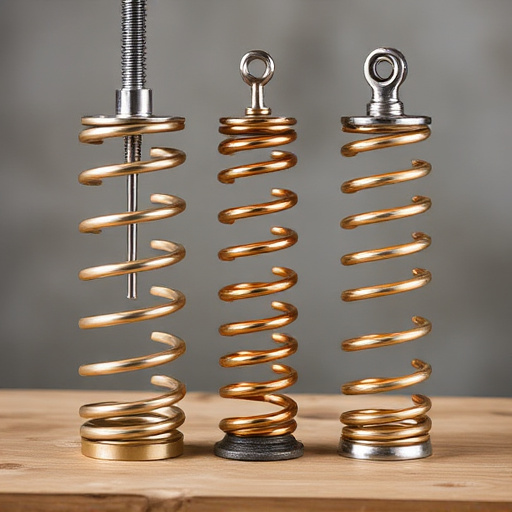
When selecting springs for heavy daily use, understanding the difference between torsion and extension springs is crucial. Both types serve the fundamental purpose of supporting your garage door, but their structures and applications differ significantly. Torsion springs, for instance, are coiled and wrap around a vertical axis, providing upward force to counterweight the door's weight. Their design allows them to handle high tension and are common in larger, heavier doors. On the other hand, extension springs stretch and straighten when under tension, typically running vertically between the door and the header. These springs are often found in lighter doors or those with opening mechanisms that require a different force distribution.
Choosing the right type directly impacts door performance and safety. A licensed Tucson garage door company may recommend torsion springs for a two-car door due to its higher weight, ensuring a smooth, balanced opening. Conversely, an insulated door with a smaller, lighter frame might benefit from extension springs, which offer a more compact and cost-effective solution without sacrificing stability. The wire gauge-a measure of the spring's thickness and strength-also plays a critical role. Heavier doors usually require springs with larger wire gauges for increased capacity, while lighter doors may suffice with smaller gauges.
Considering environmental factors like heat and corrosion is essential. Tucson's climate can accelerate rust and corrosion, affecting spring life and performance. Oil-tempered springs, known for their enhanced durability and resistance to corrosion, can be a wise choice in such conditions. By understanding these distinctions and incorporating them into your spring selection, you ensure your garage door operates safely, smoothly, and reliably, day after day.
Frequently Asked Questions About a guide to choosing high cycle springs for heavy daily use
What are high cycle springs?
High cycle springs are designed to withstand repeated compression and extension cycles, making them ideal for applications that require frequent loading and unloading. They offer superior performance and longer service life compared to standard springs in dynamic, heavy-use environments. This makes them perfect for demanding industrial applications, heavy machinery, and vehicles used in construction, agriculture, and other intense workloads.
Why do I need high cycle springs for daily use?
For applications subject to frequent loading and unloading, regular springs can fatigue and fail over time, leading to costly repairs and downtime. High cycle springs are built to handle these demands, ensuring your equipment operates reliably and efficiently day after day. Whether it's a heavy-duty lift, a construction vehicle, or industrial machinery, choosing the right high cycle spring enhances safety, productivity, and equipment longevity.
How do I determine the right spring for my needs?
Selecting the appropriate high cycle spring involves several factors. Consider the load capacity required, the number of cycles your application experiences, the desired spring life, and environmental conditions. Consulting with a qualified spring engineer or supplier can help you choose the specific spring wire, coil diameter, and other parameters tailored to your exact specifications.
What factors affect spring lifespan?
Several elements impact spring lifespan, including the number of cycles, load weight, temperature fluctuations, and environmental contaminants. Proper selection, regular maintenance, and operating within specified load limits are key to maximizing spring life.
Can high cycle springs be installed and maintained by anyone?
While high cycle springs can be installed and maintained by skilled professionals, complex installations or repairs may require specialized knowledge and tools. It's crucial to consult with a certified spring technician to ensure safe and proper handling, avoiding potential hazards associated with high-strength springs.
When choosing high cycle springs for heavy daily use, understanding the torsion vs extension springs distinction is crucial. Matching the right spring type to your application involves considering factors like door weight and environmental stress, such as the intense heat experienced in Tucson's climate. By opting for oil-tempered springs for their corrosion resistance, and selecting a spring size based on these variables, you ensure optimal performance and longevity. The article's insights empower homeowners and contractors to make informed decisions, ultimately leading to safer, more reliable garage doors that can withstand the demands of daily use. Next steps include consulting with a licensed roofer or local garage door repair service to assess your specific needs, and regularly inspecting your springs for signs of wear or corrosion.
When choosing springs for a Tucson garage door, consider:
- Torsion Springs: Heavy-duty, high-cycle, ideal for larger, heavier doors requiring consistent upward force.
- Extension Springs: Lighter, more compact, offer a powerful 'pop' for lighter doors, often used in combination with safety cables.
Factors like door weight, frequency of use, environmental conditions (like Tucson's climate), and spring wire gauge determine the best type. Consult a professional for expert advice tailored to your specific door.