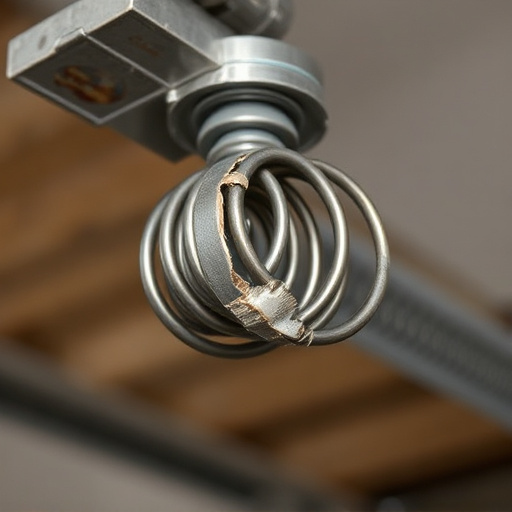
In the arid heat of Tucson, the lifespan of your garage door springs is a critical consideration for every homeowner. The extreme conditions, including dusty winds and scorching temperatures, can significantly impact the performance and longevity of these essential components. This is particularly true for the torsion tubes, which, when compromised, can lead to dangerous situations and the need for costly repairs. Understanding how desert heat and dust accelerate spring degradation is the first step towards proactive maintenance. This article examines the specific challenges faced by Tucson garage door springs and offers practical insights into extending their life through expert care and regular attention.
- Desert Heat: The Unseen Spring Enemy
- Dust Impact: Accelerating Spring Deterioration
- Addressing Torsion Tube Problems: Longevity Strategies
Desert Heat: The Unseen Spring Enemy
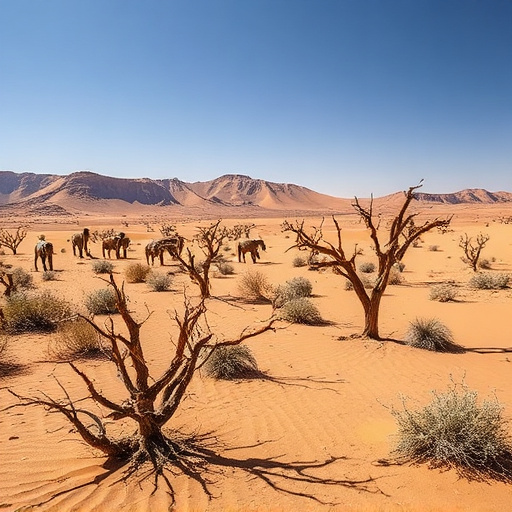
The desert heat in Tucson presents unique challenges for garage door springs. While extreme temperatures can impact all types of springs, the arid climate's combination of heat and dust creates a potent enemy for even the sturdiest extension springs. Over time, this environment accelerates the wear and tear process, leading to shorter spring lifespans. The primary culprit? Corrosion and rust, which can weaken springs, making them more susceptible to failure.
Tucson's hot, dry air can cause metal to expand and contract, placing added stress on springs. The constant movement, especially in heavy doors, increases friction and wear on the spring's wire. The fine dust prevalent in the desert environment can penetrate the spring's torsion tube, leading to internal corrosion and reduced efficiency. This is particularly problematic for oil-tempered springs, which, while durable, are not immune to desert conditions. Over time, the rust and corrosion build-up can cause spring failure, often without much warning, resulting in a sudden, costly breakdown.
A local Tucson garage door technician emphasizes the importance of regular maintenance to combat these issues. He recommends inspecting springs for any signs of damage, corrosion, or rust, particularly in doors that see heavy use. Proper lubrication, typically with a silicone-based lubricant, can help reduce friction and prevent premature wear. Replacing springs in pairs is often recommended to ensure balanced door operation. This is crucial in the desert heat, where single spring failure can be more damaging and costly to repair. Remember, extension spring wire gauge is an important factor; thicker wires can handle the demands of the arid climate better.
Dust Impact: Accelerating Spring Deterioration
Desert heat and dust significantly contribute to the deterioration of garage door springs, leading to shorter spring lifespans. Among the various environmental factors, dust plays a critical role in accelerating corrosion and rust buildup, particularly on the interior of springs. This internal corrosion weakens the spring's structure over time, compromising its ability to support the door's weight.
One of the most common issues arising from this process is torsion tube problems. The torsion tubes, which house and support the spring's coils, are particularly susceptible to rust and corrosion. As dust accumulates inside the tubes, it acts as a catalyst for metal oxidation, leading to structural weakening and potential failures. The heat in Tucson's desert climate accelerates this corrosion, causing springs to degrade more rapidly than in cooler, cleaner environments.
Regular spring maintenance, including lubricating critical components and inspecting for dust buildup, can prolong spring life. A licensed Tucson garage door company recommends lubricating safety cables and the inside diameter of springs to reduce friction and dust accumulation. However, for heavy doors or areas with exceptionally high dust levels, replacing both extension and torsion springs simultaneously may be necessary to ensure optimal performance and safety. This proactive approach helps mitigate the effects of desert heat and dust, ensuring your garage door operates smoothly and reliably for years to come.
Addressing Torsion Tube Problems: Longevity Strategies

Tucson's harsh desert environment poses unique challenges for garage door springs, with heat and dust playing a significant role in their premature aging. While regular maintenance can extend spring life, certain factors, like the infamous dust storms, can accelerate wear and tear, especially when combined with the intense heat. This section examines a critical aspect: addressing torsion tube problems, a direct consequence of these environmental factors.
Torsion tubes, the metallic sleeves that house and protect the spring's wire, are susceptible to corrosion and rust, especially when exposed to the arid air and fine dust particles prevalent in our region. Over time, this leads to weakened structural integrity, a situation that can be exacerbated by the constant expansion and contraction of the spring under high temperatures. As the tubes deteriorate, the spring's capacity to support the door's weight diminishes, requiring replacement. A Tucson garage door specialist emphasizes the importance of regular visual inspections, noting that signs of corrosion or deformation in the torsion tubes are clear indicators of a failing spring.
To mitigate these issues, consider implementing proactive strategies. One effective measure is the installation of safety cables, which provide an additional layer of support and can distribute stress more evenly, extending spring life. Keeping the torsion tubes clean and lubricated (with a suitable, non-corrosive lubricant) can slow down the wear process. A local garage door repair service recommends using a thin, synthetic lubricant to prevent rust formation while ensuring smooth spring operation. Regular cleaning to remove dust buildup inside the tubes can prevent debris from causing further damage, demonstrating a clear link between dust control and spring longevity.
Frequently Asked Questions About an explainer on how desert heat and dust shorten spring life
Why do desert conditions accelerate spring degradation?
Desert environments present unique challenges for spring longevity. Extreme heat accelerates corrosion and wear on metal springs, while desert dust acts as an abrasive, grinding down coils and reducing their effectiveness. The constant fluctuations in temperature, coupled with the high levels of mineral content in desert dust, create an aggressive corrosion environment that significantly shortens spring life.
How does heat specifically impact springs?
Heat increases the rate of metal fatigue and accelerates the aging process in springs. Metal expands and contracts with temperature changes, putting stress on the spring's coils. In desert heat, this stress compounds, leading to premature failure, stretching, and eventual breakdown of the spring structure.
What role does dust play in spring deterioration?
Desert dust, rich in minerals like iron and silica, acts as a natural abrasive. As dust particles accumulate on springs, they scour and wear down the coils over time. This mechanical degradation, combined with the corrosive effects of mineral deposits, significantly reduces the lifespan of springs in dusty desert environments.
Are all types of springs equally susceptible to desert conditions?
While all springs are affected by desert heat and dust, some materials and designs are more resilient than others. Stainless steel springs, for instance, offer better corrosion resistance than traditional carbon steel. Springs with larger diameters and more coils generally withstand wear and tear better in harsh environments.
How can I extend the life of my springs in a desert location?
Regular maintenance is crucial. This includes keeping springs clean and free of dust buildup, lubricating them according to the manufacturer's recommendations, and having them inspected and replaced as needed by a qualified professional. Using springs designed for harsh environments, such as those made from corrosion-resistant materials, can also significantly prolong their lifespan.
What are the signs of a failing spring?
Keep an eye out for several warning signs: a noticeable drop in door or gate functionality, creaking or squeaking noises, uneven closing or opening, and visible damage or deformation of the spring coils. Prompt attention to these issues is essential to prevent more serious damage and ensure safety.
In the harsh desert climate of Tucson, understanding the impact of heat and dust on garage door springs is crucial for homeowners. This article has revealed how these environmental factors accelerate spring deterioration, with heat causing springs to lose their strength and dust contributing to rust and corrosion. The most significant takeaway is the importance of addressing torsion tube problems early, as they can lead to the failure of both torsion and extension springs. By identifying signs of a failing spring, such as a distinctive broken spring sound, and understanding the process of spring service calls, homeowners can take proactive measures. Regular maintenance, including lubricating springs and ensuring proper door balance, can extend spring life. Using oil-tempered springs and spring conversion kits designed for heavy doors can mitigate the effects of desert heat and dust. Homeowners should also be aware of local building codes and consult professionals like those at Eddies Garage Door Service for expert advice, as the replacement cost of springs can vary significantly. This practical guide empowers Tucson residents to protect their garage doors, ensuring safety and minimizing the financial impact of unexpected spring failures.
Tucson's desert heat and dust accelerate spring wear and tear, leading to shorter lifespans. Corrosion and rust, exacerbated by hot, dry air and dust, weaken springs and cause failures. Regular maintenance, including lubrication and inspections, is crucial. Torsion tubes, especially prone to damage, require cleaning and lubricating to prevent rust and corrosion, which can compromise spring integrity. Replacing both extension and torsion springs simultaneously may be needed for heavy doors or high-dust areas to ensure safe, reliable operation.