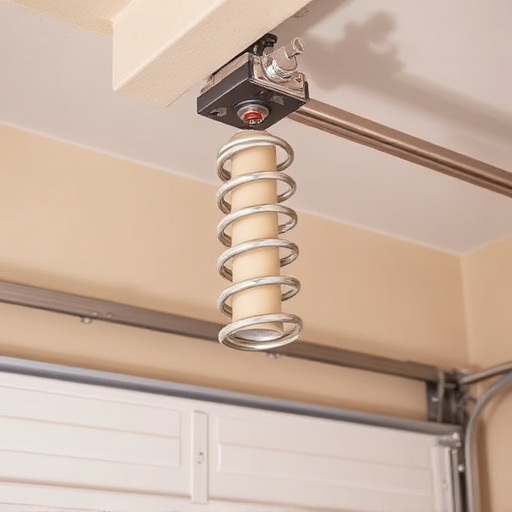
In the bustling homes and neighborhoods of Tucson, garage doors serve as both entryways and safety features, making their reliable operation non-negotiable. Yet, these complex mechanisms are prone to stress, wear, and tear, particularly under the intense heat and varying climates of our region. This is where understanding torsion and extension springs becomes crucial. These springs, the backbone of your garage door system, play a pivotal role in its balance, strength, and safety. This article examines the distinct characteristics of torsion and extension springs, how they differ, and why both often need replacement simultaneously. We'll also explore the factors influencing the cost of spring replacement, and a realistic overview of how long spring repair takes, providing you with the information you need to make informed decisions about your garage door's health.
- Understanding Torsion and Extension Springs
- Key Differences: Torsion vs. Extension
- How Long Does Spring Repair Take?
Understanding Torsion and Extension Springs
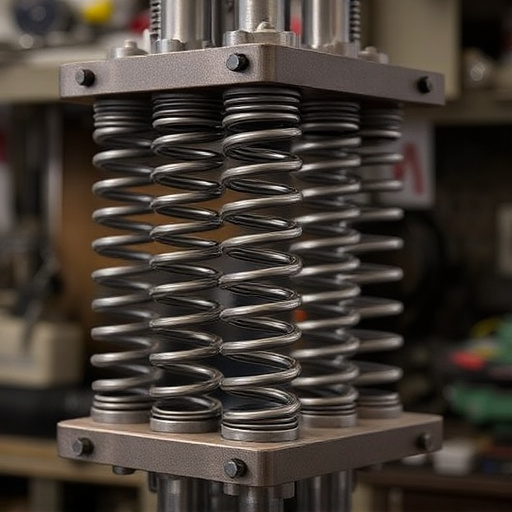
Torsion and extension springs are two fundamental types of garage door springs, each with distinct characteristics and applications. Understanding their differences is crucial for both professionals and homeowners, especially given the unique challenges posed by the desert heat in Tucson.
Torsion springs, typically found on larger, heavier garage doors, are designed to resist and control upward movement. They operate by twisting around a cylindrical shaft, storing energy in a helical shape. This design allows them to handle heavier door weights and provides a smoother, quieter opening. In contrast, extension springs, commonly used on smaller or residential doors, work by extending and contracting as they're pulled and released. They're rated by their cycle life, which indicates the number of times they can be fully extended and compressed before showing significant signs of wear, often around 10,000 cycles.
The lifespan of a spring in Tucson's climate can be affected by the intense desert heat, which can accelerate corrosion and rust. This is where regular maintenance and the choice of spring material come into play. Oil-tempered springs, for instance, are known for their strength and resistance to heat-related issues, making them a preferred option in such environments. The winding cones of both types of springs also play a role in their performance. Properly adjusted cones ensure the spring winds and unwinds evenly, maintaining balance and extending the spring's life.
For replacement, it's recommended to replace both springs simultaneously if either is showing signs of failure, such as a distinct "pop" or unusual noise. While a single-door spring repair might take a garage door company serving Tucson and Oro Valley around two to three hours, replacing both springs, especially on a two-car door, can extend the repair time to four hours or more. This underscores the importance of proactive maintenance and understanding the unique demands placed on garage door springs in a hot, arid climate.
Key Differences: Torsion vs. Extension
Torsion and extension springs serve different purposes in garage door mechanisms. The primary difference lies in their winding and extension processes. Torsion springs, housed in a cylindrical tube, twist to store energy. This design allows them to handle high cycle applications, making them ideal for heavy doors and frequent use. On the other hand, extension springs work by straightening under tension, coiling as the door lowers. They're often found in single or double-door systems, providing balance and support.
When considering how much does garage door spring replacement cost in Tucson, understanding these distinctions is crucial. Torsion springs generally cost more to replace due to their specialized design and material, like oil-tempered steel. Extension springs, while less expensive, might require replacement in pairs since they work together to support the door. A garage door company serving Tucson and Oro Valley might recommend replacing both springs if one is failing, as balancing the door becomes challenging with a single functional spring.
The winding cones used in torsion springs require careful adjustment during repair. Improper setup can lead to door misalignment or excessive noise. Extension springs, while less complex, should be checked for rust and corrosion, as these can affect their lifespan. When a spring breaks, you'll often hear a loud, abrupt sound. This is a clear sign a spring is failing and immediate attention is needed. While a DIYer might be able to replace an extension spring, torsion spring repair usually requires professional expertise. In most cases, how long spring repair takes varies based on the type of spring and door complexity, but it's often one to two days for a licensed technician.
How Long Does Spring Repair Take?

Spring repair times can vary significantly based on several factors, from the type of spring involved to the door's weight and the complexity of the job. Replacing a single extension spring on a lighter door can be a relatively quick process, often taking just a few hours for a skilled technician. Conversely, torsion springs, especially on heavier doors, often require more time due to the intricate setup and safety considerations. In Marana, where garage door service calls can range from $150 to $400 on average, a simple spring replacement might take one to two days, including the initial assessment and parts procurement.
When both springs need to be replaced, the process becomes more involved. A Tucson garage door specialist will typically inspect both springs to ensure they are failing at similar rates; if not, they might recommend replacing only the weaker spring to save cost and time. This decision is crucial as replacing both springs simultaneously can be a more complex, time-consuming, and thus, more expensive endeavor. The actual repair can last from half a day to an entire day, depending on the door's weight and the accessibility of the springs.
The type of spring also plays a role in the repair duration. Oil-tempered springs, common in Tucson's climate, tend to be more durable than galvanized springs but may require specialized tools for removal and installation. High-cycle springs, designed for heavy use, might need to be replaced more frequently and can extend the repair time due to the need for careful disassembly and reassembly. Proper spring sizing, based on the door's weight, is critical to ensure the new spring can support the door effectively, which can add to the overall repair duration.
Remember, while some DIY spring repairs are possible, they come with risks, including the potential for injury from spring release or incorrect tensioning. For most homeowners, it's advisable to rely on a professional to ensure the job is done safely and efficiently, minimizing downtime and potential further damage to the door or spring system.
Frequently Asked Questions About an explainer on torsion and extension springs and how they differ
What is the difference between torsion and extension springs? Torsion springs store energy by twisting around a central axis, while extension springs store energy by stretching. Torsion springs are commonly used in garage doors, gates, and clock mechanisms, where they must withstand rotational stress. Extension springs, on the other hand, are typically found in applications like garage door springs, where they provide a linear force to lift and support the door.
How do torsion springs work in garage doors? Torsion springs in garage doors are mounted on a horizontal axis above the door opening. They twist as the door raises, storing energy that helps return the door to its closed position. This design allows for smooth, balanced operation and can support heavier doors. The springs' capacity is typically rated in pounds, indicating the weight they can safely support.
Why might I need to replace my garage door spring(s)? Garage door springs wear out over time due to constant use and exposure to varying weather conditions. Over-tensioning, improper installation, or misalignment can also lead to premature failure. When a spring breaks, it can cause the door to fall, leading to property damage or personal injury. Regular inspection and timely replacement are crucial for safety and to prevent costly repairs.
How do I know if I have torsion or extension springs in my garage door? Identifying the type of springs in your garage door is straightforward. Torsion springs are typically housed in a cylindrical or round tube at the top of the door. Extension springs sit parallel to the door and run between the door's bottom track and the header. If you're unsure, consult a professional garage door service for accurate determination.
What factors should I consider when choosing a replacement garage door spring? When selecting a replacement spring, consider the door's weight, spring gauge (thickness), and the spring's capacity to match or exceed the original specifications. Local building codes and your garage door's manufacturer may also have specific requirements. Always consult with a licensed garage door service for expert advice tailored to your door's needs.
Can I replace a garage door spring myself, or should I hire a professional? While some DIYers may feel capable of replacing a garage door spring, it's generally recommended to hire a licensed professional. Garage door springs are under extreme tension and can cause serious injury if not handled properly. A qualified technician has the tools and expertise to replace the spring safely and correctly, ensuring your door operates smoothly and securely.
Understanding the distinctions between torsion and extension springs is crucial for Tucson homeowners. Torsion springs, common in heavier doors, offer superior strength and longevity due to their unique winding design. Extension springs, found in lighter doors, provide flexibility and are known for their ability to handle significant cyclic stress. When a spring fails, it's essential to replace both springs simultaneously to ensure balanced door operation and safety. The process involves specific steps, from inspecting for damage to winding the new springs carefully. Typically, a professional spring service call can be completed in one to two days, though complex cases may extend this timeline. Regular maintenance, including lubricating and inspecting springs, can significantly prolong their lifespan in Tucson's heat. Remember, DIY repairs can be dangerous, especially for heavy doors; always consult a licensed Tucson garage door service for expert spring replacement and door balance adjustments.
Torsion vs. Extension Springs in Tucson:
Torsion and extension springs, fundamental garage door components, differ in their winding and extension mechanisms. Torsion springs, housed in cylindrical tubes, twist to store energy, ideal for heavy doors. Extension springs straighten under tension, commonly used on lighter doors. In Tucson's desert heat, regular maintenance and material choices, like oil-tempered springs, extend lifespans.
Spring Repair in Tucson:
- Torsion Spring Repair: Typically more complex, time-consuming, and expensive, often requiring 1-2 days.
- Extension Spring Repair: Generally quicker (a few hours) and less costly, but requires proper balance.
- Both Springs: Replacing both simultaneously can extend repair time (4+ hours) and cost.
- Repairs vs. Replacement: Consider spring condition, door weight, and cost. DIY possible but risky; professionals recommended for safety.
How Long Does Spring Repair Take?
Varies based on spring type, door weight, complexity, and accessibility. Simple extension spring replacements take a few hours; torsion springs and complex doors can take 1-2 days.