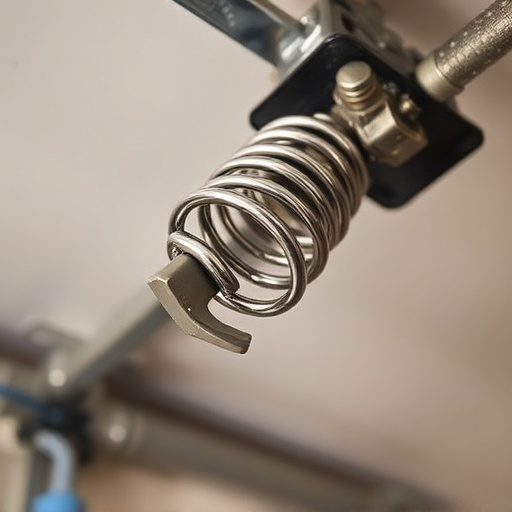
Broken garage door springs pose a serious safety hazard, especially when attempted to be handled by untrained individuals. Single door spring repair, while seemingly simple, can result in severe injury or property damage if not executed properly. In Tucson, where the heat can accelerate spring wear, understanding the risks and the importance of professional intervention is crucial. This article examines why broken springs are best left to licensed specialists, exploring the dangers of DIY repairs, the signs of a failing spring, and the expert steps involved in a safe spring service call. By the end, homeowners will grasp the significance of prioritizing safety over cost for garage door springs.
- Understanding the Risks: Why Single Door Spring Repair is Not for Amateurs
- The Mechanics of Broken Springs: Causes and Consequences
- Safe Handling Practices: Step-by-Step Guide for Professional Replacement
Understanding the Risks: Why Single Door Spring Repair is Not for Amateurs
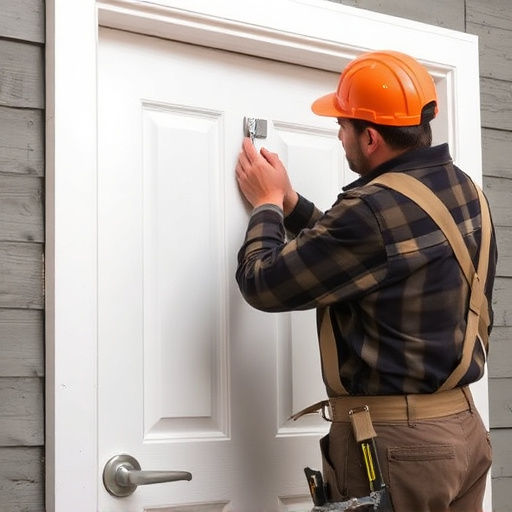
Broken garage door springs are a significant safety concern, and single door spring repair is not a DIY project for several crucial reasons. Despite what some may believe, attempting to handle a broken spring yourself can lead to severe injuries and even fatal accidents. According to the Arizona Department of Consumer Protection, garage door repairs, especially spring replacements, require specialized knowledge and equipment. A local Tucson garage door technician will tell you that springs, once stretched and released, can exert tremendous force-up to 3,000 pounds in some cases-making them extremely dangerous to a non-trained individual.
The cost of a garage door spring replacement in Tucson, or even in the surrounding areas like Marana, can vary, but it's not solely about the price tag. The complexity of the job and the need for safety equipment are significant factors. A two-car door with two springs will require a different approach than a single-door setup. Professional technicians use specialized tools like spring winding bars and safety cables, ensuring a secure removal process. These tools are not readily available to the average homeowner, and using the wrong equipment or improper techniques can result in serious harm.
Signs of a failing spring, such as a strange noise or a broken spring sound, should be taken seriously. A spring's lifespan can be affected by various factors, including the local climate. In Tucson, with its hot and dry conditions, springs may wear out faster. A local garage door repair service will assess the door's balance and recommend the best course of action, which often includes replacing both extension or torsion springs simultaneously. This is because they work in tandem to support the door, and a balanced door is safer and more efficient.
When considering a single door spring repair, remember that a professional's expertise is invaluable. A licensed technician will have the necessary tools and training to handle any issues, including torsion tube problems and spring rust or corrosion, which can be prevalent in the local environment. They can also advise on the appropriate spring sizing based on your door's weight, ensuring a secure and safe repair. In the event of a broken spring, a quick call to a reliable service, like Eddies Garage Door Service, can provide peace of mind, knowing that your safety is in good hands.
The Mechanics of Broken Springs: Causes and Consequences
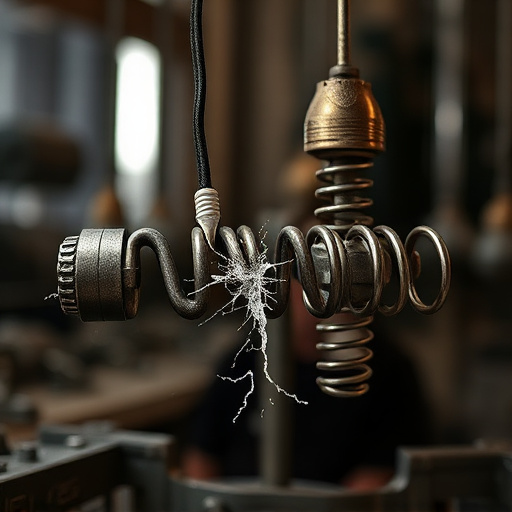
The mechanics of a broken garage door spring are a study in contrast. On one hand, they're a sign of engineering's strength and precision, capable of exerting incredible force to keep your door secure. On the other, their fragility is starkly evident when one snaps, often without warning. This sudden failure not only leaves your door inoperable but also poses significant safety hazards if you attempt to handle the spring yourself.
Let's dissect the mechanics of a broken spring to understand its dangers. There are two primary types: torsion and extension springs. Torsion springs, found in most modern garage doors, are coiled tightly like a clock spring, stored within a spring tube. When the door opens and closes, a rod attached to the spring winds and unwinds it. Extension springs, on the other hand, are straight and act like a compressed spring, storing energy as they're stretched. They're often used in older doors or on certain door types like single doors.
Regardless of type, a broken spring can have devastating consequences. High-tension springs, even those used in single door spring repair, can snap with enough force to cause serious injury. The sound of a spring breaking is often described as a loud pop or crack, followed by a whirring or jerking motion as the spring unwinds rapidly. This is not a scenario for DIY. Attempting to fix or remove a broken spring without proper training and safety equipment is extremely dangerous. Even experienced professionals, like a licensed Tucson garage door company, take precautions like wearing safety glasses, gloves, and using tools designed for spring removal to minimize risk.
The cycle rating of a spring, which indicates its expected lifespan based on the number of times it's wound and unwound (or cycled), plays a crucial role in understanding spring failure. Springs with a lower cycle rating, often found in heavy doors or in harsh environments like Tucson's heat, tend to wear out faster. When a spring fails, it's not just a matter of replacing it; the spring's remnants, especially the winding cones and anchor plates, can be sharp and dangerous. Proper disposal and professional service are essential to ensure safety and avoid injury.
Safe Handling Practices: Step-by-Step Guide for Professional Replacement

Broken garage door springs are not a job for DIY enthusiasts-they're hazardous, complex, and best left to a licensed Tucson garage door company. These powerful components, designed to support the door's weight, can snap or twist, sending sharp metal fragments flying and posing a serious risk to anyone nearby. A single door spring repair, for instance, in a Marana home with a heavy door, requires specialized tools and in-depth knowledge to ensure the spring's safe removal and replacement.
The process involves several critical steps, each demanding precision and care. First, the technician must assess the door's weight and recommend the appropriate spring size, often a high-cycle spring designed for prolonged durability. Next, they carefully disassemble the door, detaching the old spring and inspecting for any signs of damage or wear. Powder-coated springs, common in residential doors, require special handling to prevent rust and corrosion, especially in Tucson's hot climate. Once the old spring is removed, a new spring is installed, wound to the correct tension, and tested for safety and functionality.
Throughout the repair, the technician follows strict safety protocols, including the use of safety cables and winding bars to manage the spring's force. They also ensure the door's balance and adjust the system as needed. After the spring is replaced, a final inspection is conducted to verify the door's smooth operation and safety. Remember, attempting to handle a broken spring yourself could lead to serious injury. Always rely on a qualified professional for safe and reliable garage door service.
Frequently Asked Questions About safety advice on why broken springs are dangerous to handle
What are the potential hazards of broken roof springs? Broken roof springs, particularly from flat tile profiles, pose significant safety risks. They can snap suddenly, causing severe lacerations or fractures. The force of a broken spring can also lead to falls, especially on rooftops with steep angles. The sharp edges of the spring can puncture skin, clothing, or protective gear, posing an infection risk.
Why should I not try to repair or replace a broken spring myself? Attempting to handle a broken roof spring yourself is highly discouraged. It's a specialized task that requires knowledge of proper safety equipment and techniques. Homeowners lack the training and tools to manage the potential risks, such as sudden breakage or the risk of falling. It's best to leave this to licensed, experienced professionals like DC Roofing of Arizona, who prioritize safety and have the expertise to handle such situations.
Can broken springs cause structural damage? While broken springs primarily pose safety hazards, they can indeed contribute to structural damage. The sudden release of energy from a broken spring can weaken the overall roof structure. Prolonged exposure to harsh weather conditions with weak or broken springs can accelerate the deterioration of the roofing system, leading to leaks and reduced structural integrity.
What should I do if I suspect a broken spring on my tile roof? If you suspect a broken spring, contact a licensed roofer immediately. They can inspect the roof safely and efficiently. Avoid walking on or near the roof until a professional has assessed the situation. The contractor will replace or repair the damaged spring, ensuring your safety and the integrity of your roof.
Are there any regulations or codes regarding roof spring safety? Yes, local building codes and regulations often mandate safe practices for roof spring installation and maintenance. These guidelines emphasize the importance of using appropriate safety equipment and training for professionals. Homeowners are advised to familiarize themselves with these regulations to ensure compliance and safety when dealing with roof springs.
Can broken springs be recycled or disposed of safely? Broken roof springs should be treated as hazardous waste due to potential sharp edges and metal content. Responsible disposal is crucial to avoid injury and environmental contamination. Local waste management facilities or recycling centers may have specific guidelines for handling such materials. Always consult with a roofing contractor or local authorities for safe disposal options.
Broken garage door springs pose significant risks due to their powerful nature, making single door spring repair a task best left to professionals. The article has highlighted the dangers of attempting DIY repairs, especially for an untrained individual. Understanding the mechanics of spring failure and the causes of breakage is crucial. By following the step-by-step guide provided, homeowners can ensure safe handling during replacement, minimizing the risk of injury or property damage. This expert advice emphasizes the importance of professional expertise, offering a comprehensive solution for a common home maintenance challenge.
Now, armed with this knowledge, homeowners can make informed decisions, knowing when to seek help from trusted local services like DC Roofing of Arizona, ensuring a secure and efficient garage door system.
Broken garage door springs are a serious safety concern, requiring professional, licensed expertise for single door spring repair or replacement. They exert tremendous force, up to 3,000 pounds, making DIY attempts extremely dangerous. Springs, whether torsion or extension, can snap unexpectedly, leaving sharp remnants and posing risks. A professional technician has the necessary tools, training, and safety equipment to handle any issues, including rust, corrosion, and door balance. In Tucson's hot climate, springs may wear faster, necessitating regular inspections and timely repairs. Relying on a qualified service like DC Roofing of Arizona ensures safety, peace of mind, and a balanced, efficient door.