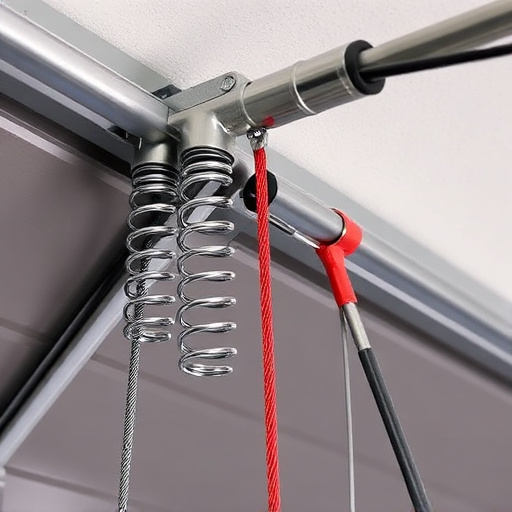
Tucson homeowners often face a critical decision: when to replace their garage door springs. This choice is not just about cost-it's about safety, door functionality, and preventing unexpected failures. Garage door springs, whether torsion or extension, are the unsung heroes that support your door's weight, ensuring smooth operation. However, over time, these springs can weaken, showing signs of failure that are easy to miss. A creaking noise or a door that doesn't balance correctly could indicate a problem. Understanding the difference between torsion and extension springs and knowing when to replace them both is essential for maintaining a safe and reliable garage door system. This article guides you through these considerations, empowering Tucson homeowners to make informed decisions about their garage door spring replacement cost and ensuring the job is done right.
- Understanding Torsion and Extension Springs
- Common Signs of Spring Failure
- When to Replace Garage Springs
Understanding Torsion and Extension Springs
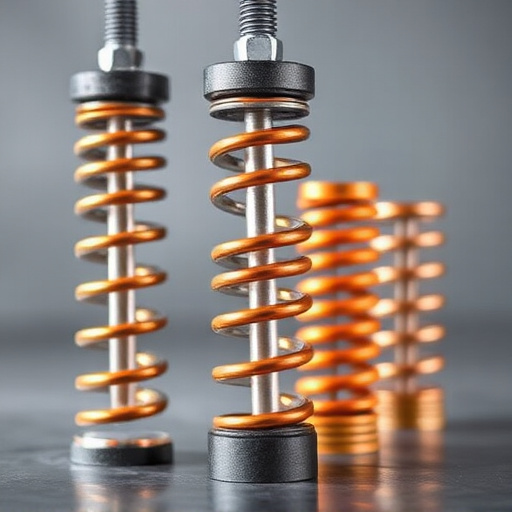
Torsion and extension springs serve different purposes in garage door mechanisms. Torsion springs, housed in a cylindrical tube at the top of the door, are responsible for lifting and balancing the door's weight. They store energy in a twisted wire, providing consistent force throughout their cycle. Extension springs, on the other hand, are found at the bottom of the door, working in pairs to counterbalance the weight. They stretch and contract, pulling the door down securely. Understanding these differences is crucial when assessing signs a spring is failing.
While torsion springs generally last longer due to their protected environment, both types can wear out over time, especially in extreme climates like Tucson's heat. How much does garage door spring replacement cost in Tucson? The price varies based on spring type, door weight, and the complexity of the job. Replacing a single torsion spring on a light door might cost around $150, while a heavy door with both springs replaced could range from $250 to $400. A garage door company serving Tucson and Oro Valley often provides detailed estimates, considering these factors.
In Marana or anywhere in Tucson, a trained technician will inspect the door and springs, looking for signs of wear, such as rust, deformation, or excessive noise. A failing spring might produce a loud clicking or clanging noise when the door is opened or closed. The center bearing, a crucial component in both spring types, can also give out, leading to unbalanced doors. Regular maintenance, including spring lubrication, can extend their lifespan, but ultimately, replacement is often necessary.
Common Signs of Spring Failure
Spring failure is a common issue that can be a serious safety hazard. Recognizing the signs of a failing spring is crucial for any Tucson homeowner. A local Tucson garage door technician recommends inspecting your springs regularly, as a proactive approach can prevent costly and dangerous breaks.
There are two primary types of garage door springs: torsion and extension. Torsion springs, often found on larger doors, are more common in Tucson homes. They are housed in a cylindrical tube and use a center bearing to absorb the door's weight. These springs typically last 10,000 to 15,000 cycles, which translates to about 10 to 15 years. On the other hand, extension springs are more susceptible to wear and tear and are usually found on smaller, residential doors. They run parallel to the door and are subject to higher stress, especially if the door is heavy or poorly balanced. Expect extension springs to last around 5,000 to 10,000 cycles, or roughly 5 to 10 years.
When a spring is failing, you may notice several distinct signs. Your door might open or close with increased force or lag, indicating a potential issue. You might also hear unusual noises, such as a clicking or popping sound, which could signal a damaged spring. Another red flag is if your door starts to balance differently after opening or closing, suggesting a spring that's no longer providing adequate support. Oil-tempered springs, known for their superior strength and flexibility, may show signs of rust or corrosion, especially in Tucson's hot climate. If you suspect a spring is failing, it's crucial to consult a professional. Choosing between single and double springs depends on your door's weight and balance, so a skilled technician can guide you. Remember, DIY spring repair is dangerous; it's best left to the experts to ensure safety and prevent injury.
When to Replace Garage Springs
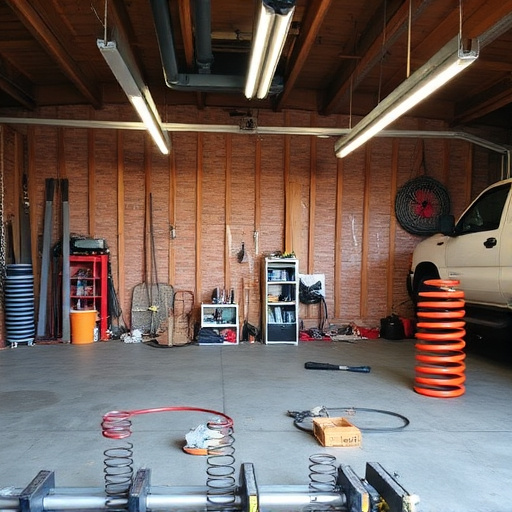
The health of your garage door system hinges on its springs. Understanding when to replace these critical components is key to maintaining safety, functionality, and preventing costly breakdowns. While the lifespan of a spring varies based on factors like frequency of use, environmental conditions, and spring type, there are clear signs that indicate a spring is failing. If you hear a loud clicking noise when opening or closing your door, it could signal a damaged spring. Similarly, if the door is difficult to move or sags on one side, these are telltale signs that a spring may be weakened or stretched beyond its useful life.
In Tucson, where temperatures can soar, springs face additional stress. High heat accelerates corrosion and rust, especially in springs made of uncoated, galvanized steel. A local garage door company serving Tucson and Oro Valley recommends regular inspection of springs, especially in arid climates like ours. Oil-tempered springs, known for their strength and resistance to fatigue, are often the preferred choice for heavy doors in our region. Spring sizing is crucial: installing a spring that's too light for your door will lead to premature wear, while an overly heavy spring can cause excessive strain on the door's balance system.
When deciding between torsion and extension springs, consider your door's weight and the local building codes. Torsion springs, housed in a cylindrical tube, are ideal for larger, heavier doors as they distribute the load evenly. Extension springs, on the other hand, are more common for lighter doors and work by stretching to accommodate the door's weight. In some cases, like with two-car door installations, both torsion and extension springs are used in tandem for better balance and stability. Regular service calls often involve replacing both springs simultaneously to ensure optimal performance and safety, especially in areas like Vail where extreme conditions can take a toll on garage door components.
Frequently Asked Questions About an Explainer on Torsion and Extension Springs and How They Differ
What are torsion springs?
Torsion springs are helical springs that store energy by twisting around a central axis. They're commonly used in doors, windows, and garage doors, providing the force to hold them open or closed. The key advantage is their compact size and ability to deliver a high force, making them space-efficient solutions for various applications.
How do torsion springs differ from extension springs?
Extension springs, in contrast, store energy by stretching. They lengthen when compressed or extended, and release that stored energy when relaxed. These springs are typically found in applications like garage door cables, bow and arrow mechanisms, and even in some automotive components. Their design focuses on resisting tension, making them ideal for applications where a straight line force is needed.
What determines the size of a torsion spring?
The size of a torsion spring is determined by several factors, including the desired spring rate (force required to compress or extend it), the material used, and the expected lifespan. A professional spring installer will calculate the appropriate size based on the specific application and load requirements.
Are extension springs stronger than torsion springs?
It's not a simple "yes" or "no." Both types of springs have their strengths. Torsion springs generally offer higher force per unit length, making them suitable for heavy-duty applications. Extension springs, while not as powerful, can provide a more consistent force over a longer distance, making them ideal for applications requiring gradual, controlled force.
How do I know if I need a torsion or extension spring?
The type of spring needed depends on the application. Torsion springs are best for applications requiring a force to hold a load in a fixed position, like doors and windows. Extension springs are needed for applications requiring a controlled force in a straight line, such as garage door cables or bow and arrow limbs.
What factors should I consider when choosing a spring supplier?
When selecting a spring supplier, consider their experience, reputation, and the range of spring types they offer. Look for a supplier who provides quality springs at competitive prices and offers expert advice to ensure you get the right springs for your specific needs.
Understanding the types and functions of torsion and extension springs is crucial for any Tucson homeowner. Torsion springs, often found on older homes, offer a reliable yet complex system, while extension springs are the workhorses of modern garage doors. Knowing the signs of spring failure, such as a creaking noise or door off-track, is vital. Regular maintenance, including lubricating springs, can significantly extend their lifespan.
When a spring fails, it's essential to replace both springs, especially in the hot Tucson climate, where springs age faster. The cost of garage door spring replacement varies, but local companies provide competitive estimates. For heavy doors, high-cycle springs, or specific door designs, specialized springs may be required, adding to the cost.
Understanding the unique characteristics of torsion and extension springs empowers Tucson homeowners to make informed decisions. Recognizing the signs of spring failure and taking proactive measures, such as regular maintenance, can prevent costly repairs. With the right knowledge, you can ensure your garage door operates safely and efficiently throughout Tucson's monsoon season and beyond.
In Tucson's extreme climate, garage door springs (torsion or extension) fail, posing safety risks. Recognize signs like loud noises, door imbalance, or rust, especially on hot, dry days. Regular inspections and oiling can extend spring life, but replacement (cost: $150-$400) is often necessary. For optimal door balance and safety, consult a licensed Tucson roofer for spring sizing and installation, especially for heavy doors or extreme conditions.