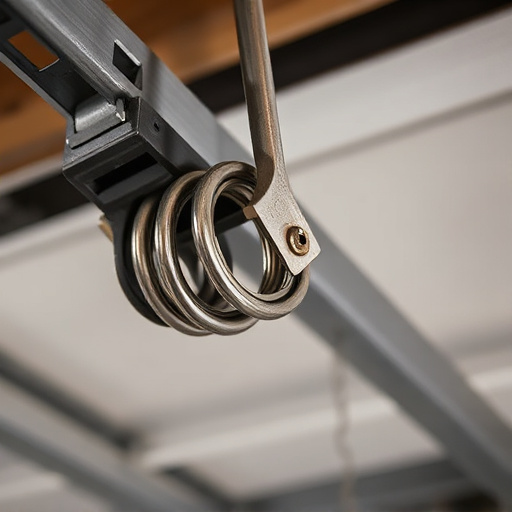
Tucson homeowners, your garage door springs are critical to safety, convenience, and property value. These powerful mechanical components bear the brunt of daily use, leading to wear and tear over time. When a spring breaks, it can cause serious damage and leave your garage door stuck, leaving you vulnerable to security risks and the elements. Understanding when to repair or replace your springs is key. This guide examines the intricate world of garage door spring repair and replacement, equipping you with knowledge to make informed decisions. We'll explore the differences between oil-tempered and galvanized springs, signs of failure, and why replacing both springs is often recommended. By the end, you'll be equipped to ensure your garage door operates smoothly and safely.
- Understanding Garage Door Spring Types: Oil Tempered vs Galvanized
- Spring Repair: When to Replace, Step-by-Step Guide
- Ensuring Safety: Hiring Professionals for Spring Replacement
Understanding Garage Door Spring Types: Oil Tempered vs Galvanized
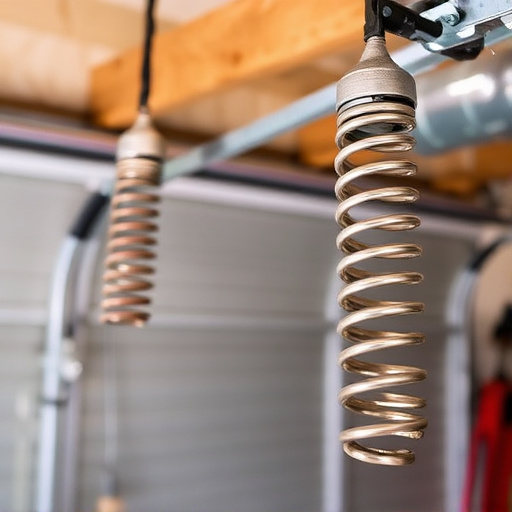
Garage door springs are a crucial component of your home's automation system, responsible for the door's balance and lifting capability. Understanding the differences between oil-tempered and galvanized springs is essential for Tucson homeowners considering repair or replacement, especially given the unique challenges posed by the region's desert heat.
Oil-tempered springs, as the name suggests, are treated with oil to enhance their strength and flexibility. This process involves heating and quenching the spring, making it more resistant to fatigue and corrosion. They are known for their ability to withstand high cycle rates, making them ideal for areas with frequent door operation, like busy intersections or multi-car garages. In contrast, galvanized springs are coated in zinc to protect against rust and corrosion, a trait particularly valuable in Tucson's arid environment. While they may not offer the same level of cycle resistance as oil-tempered springs, their durability against rust makes them a popular choice for residential use.
When deciding between these types, consider your door's weight and usage. Heavier doors or those used several times a day may benefit more from oil-tempered springs. For lighter doors or occasional use, galvanized springs can provide a cost-effective, reliable solution. A licensed garage door company serving Tucson and Oro Valley can assist in determining the best spring type based on your specific needs and door specifications, ensuring a safe and efficient installation.
The choice between oil-tempered and galvanized springs also impacts the winding process. Oil-tempered springs often require winding cones and center bearings for proper tensioning, adding a layer of complexity to the repair or replacement process. Galvanized springs, with their corrosion-resistant properties, may not necessitate these additional components, simplifying the service call for your Tucson garage door specialist.
Spring Repair: When to Replace, Step-by-Step Guide
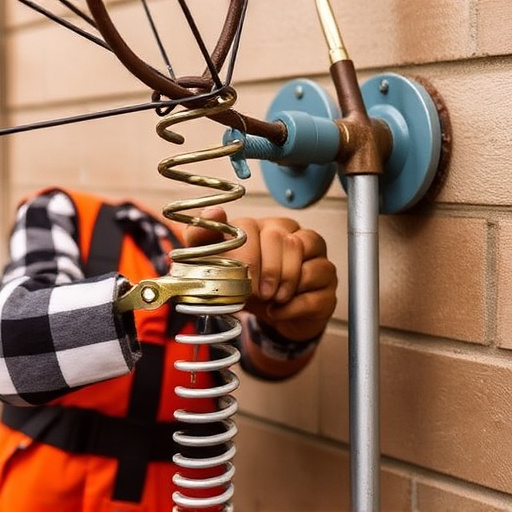
For garage door springs, understanding when to replace them and the options available is crucial for Tucson homeowners. Springs are a vital component of your garage door system, responsible for lifting and supporting the door's weight. Over time, these springs can wear out, becoming less efficient and potentially dangerous. A broken spring can lead to door malfunction and, in some cases, cause injury or property damage. This guide will help you navigate the process of spring repair and replacement, focusing on a practical, step-by-step approach.
The first step in determining spring repair needs is to understand the types of springs and their differences. In Tucson's climate, both oil-tempered and galvanized springs are common. Oil-tempered springs, known for their flexibility and durability, are often used in residential settings. Galvanized springs, coated in zinc to prevent rust, are suitable for areas with higher moisture levels. The primary distinction lies in their spring length and wire gauge; oil-tempered springs are generally longer and have thinner wires, making them ideal for lighter doors. Galvanized springs, on the other hand, are shorter and thicker, better suited for heavier doors. A family run Tucson garage door business may recommend oil-tempered springs for a typical two-car garage door due to their superior strength-to-weight ratio.
Now, let's examine the repair process. If you notice signs like a squeaking door, uneven door movement, or a broken spring sound, it's time for an assessment. A licensed Tucson garage door technician will inspect the springs, checking for rust, wear, and proper tension. During this visit, they'll also determine if both springs need replacement. While it's common for springs to fail in pairs, it's not always necessary to replace them simultaneously. A technician might recommend replacing one spring while assessing the condition of the other. The repair process involves several steps: spring removal, measurement for replacement, and installation of new springs. It's essential to note that extension springs, which are common in Tucson homes, require special safety cables and winding bars for safe removal and installation, contrasting with torsion springs that use a tube and cone and anchor plates.
After the repair, homeowners should consider the longevity of their springs. Spring cycle ratings, indicating the number of times a spring can be extended and retracted, play a role in determining replacement intervals. Higher cycle ratings mean longer spring life. In Tucson's climate, springs may degrade faster due to heat and desert conditions. Regular maintenance, including lubricating the springs and checking for rust or corrosion, can extend spring life. For replacement, understanding spring sizing by door weight is crucial. A local garage door repair company can guide you on choosing the right spring, whether for a single-door or two-car garage, ensuring a secure and balanced door after the service call.
Ensuring Safety: Hiring Professionals for Spring Replacement
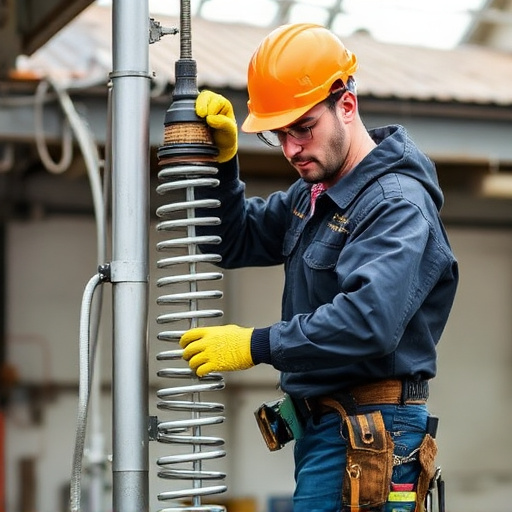
For garage door springs, safety should always be the top priority for Tucson homeowners. While the idea of replacing garage door springs yourself might seem appealing, it's a job best left to the professionals, especially when dealing with critical components like torsion springs and extension springs. These springs are under immense tension, and any mistake during replacement can lead to serious injury or property damage.
Tucson garage door specialists are trained to handle a range of spring types, including both oil-tempered and galvanized springs, each with unique properties and applications. Oil-tempered springs, for instance, offer superior strength and flexibility, making them ideal for heavier doors. Galvanized springs, on the other hand, are more resistant to rust and corrosion, which is crucial in Tucson's arid climate. A qualified technician will consider the specific needs of your door, including its weight and the local environmental conditions, to recommend the most suitable spring material.
During a spring replacement service call, a Tucson garage door specialist will follow a comprehensive set of steps to ensure the job is done safely and correctly. This includes removing the old spring, inspecting the door's balance, and installing new safety cables for extension springs or updating the torsion tube and cone and anchor plates for torsion springs. They will also check for any signs of wear or damage and offer recommendations for future maintenance, such as regular lubrication, to extend the life of the new springs. Always remember, when dealing with high-tension springs, a single mistake can have catastrophic consequences. Trusting a licensed professional, like those from Eddies Garage Door Service, is the best way to ensure your garage door springs are replaced safely and effectively.
Frequently Asked Questions About a guide for Tucson homeowners on garage door spring repair and replacement
What is the most common reason for garage door spring failure? Garage door springs typically fail due to excessive tension or wear over time. This can be caused by poorly installed or adjusted springs, improper balance, or frequent use, especially in heavy-duty applications like commercial garages. Regular maintenance, including lubrication and adjustment, can significantly prolong spring life.
How do I know if my garage door spring needs replacement? Signs of a worn or damaged spring include loud creaking or squeaking noises during operation, uneven door movement, and visible signs of rust or stretching. If your door is difficult to open or close, or if you hear metal-on-metal sounds, these could indicate a spring issue. Professional inspection is recommended for accurate diagnosis.
How long does garage door spring replacement typically take? Most spring replacement installations take one to two days, depending on the accessibility of the springs and the complexity of the job. This includes the time needed for parts delivery, disassembly of the old springs, and proper installation of the new ones.
What safety precautions should I take when dealing with garage door springs? Garage door springs are under immense tension and can cause serious injury if mishandled. Never attempt spring repair or replacement if you're not experienced. Always disconnect the electrical power to the opener and use appropriate safety gear, including gloves and safety glasses. Never stand in front of the door when it's up, and ensure the area is well-lit.
Can I replace the springs myself, or should I hire a professional? While some DIY enthusiasts may feel confident tackling garage door spring replacement, it's generally recommended to hire a licensed professional. Springs require specialized tools and knowledge to install safely and correctly. A professional Tucson garage door service like Eddies Garage Door Service ensures the job is done right, minimizing the risk of injury or further damage.
How much does garage door spring replacement cost in Tucson? The cost of garage door spring replacement varies based on spring type, size, and the complexity of the installation. In Tucson, the average cost typically ranges from $150 to $350, including labor and parts. This is a significant investment, so consulting with a local expert like a Tucson garage door specialist is advisable to get accurate estimates.
Are there ways to extend the lifespan of my garage door springs? Yes, regular maintenance and inspection are key to prolonging spring life. Lubricating the springs and hinges, ensuring proper balance, and adjusting the tension regularly can significantly reduce wear. Using high-quality springs from reputable manufacturers and avoiding overloading the door can contribute to their longevity.
As Tucson homeowners, understanding your garage door spring types is crucial for both safety and cost-effectiveness. The article has illuminated the key differences between oil-tempered and galvanized springs, each with unique advantages and lifespans. When considering spring repair, it's evident that not all issues require DIY attempts. Many factors, such as spring age, door weight, and safety features, determine the need for a complete replacement.
The step-by-step guide provided offers a clear path for minor repairs, but for more complex issues, enlisting a professional is essential. Hiring licensed experts ensures your spring replacement meets local building codes and safety standards, such as those enforced by the Tucson Better Business Bureau (BBB) and the Arizona Department of Consumer Protection.
Prioritizing regular spring maintenance and trusting professionals for replacements are the best practices for Tucson homeowners. By understanding oil-tempered vs. Galvanized springs and following expert-led procedures, you can ensure your garage door operates smoothly and safely for years to come.
Tucson homeowners should understand the differences between oil-tempered and galvanized garage door springs, considering their door's weight and usage. While oil-tempered springs handle high cycle rates, galvanized springs resist rust, making them suitable for the area's arid climate. A licensed Tucson garage door company can guide spring selection and ensure safe, efficient installation. Regular maintenance, including spring lubrication, extends their life. Replacing springs yourself is dangerous; trust professionals to handle high-tension springs safely.