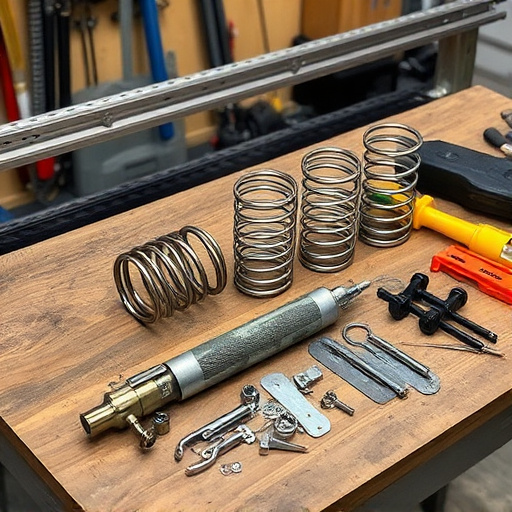
In the world of garage door maintenance, understanding your springs is crucial. Whether you're a Tucson homeowner or a local garage door specialist, knowing the difference between torsion and extension springs is key to ensuring your door operates smoothly and safely. This is especially important given the unique challenges posed by the Tucson climate, where extreme heat can accelerate spring rust and corrosion. This article examines these two spring types, highlighting their distinct features, applications, and potential issues like torsion tube problems and spring rust. By the end, you'll grasp the significance of replacing both springs and learn practical steps for service calls, all tailored to the needs of your specific garage door setup.
- Understanding Torsion and Extension Springs
- Spring Rust and Corrosion: Prevention and Treatment
- Choosing the Right Spring: Key Considerations
Understanding Torsion and Extension Springs
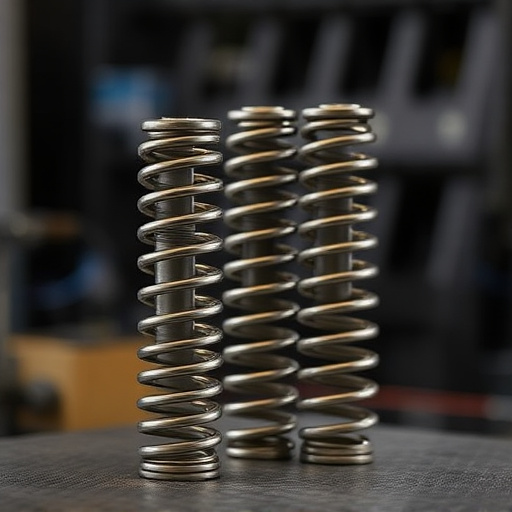
Torsion and extension springs are fundamental components of a garage door system, each with unique properties and applications. Understanding the difference between these two types is crucial for Tucson homeowners, as it directly impacts the safety, functionality, and longevity of their garage doors. The primary distinction lies in their design and the way they store and release energy.
Torsion Springs: These springs are coiled in a cylindrical shape and mounted above the garage door opening. They are designed to bear the majority of the door's weight, especially for heavier doors. Torsion springs are ideal for multi-car garage setups or doors that are larger in size. One key advantage is their ability to support the door throughout its full range of motion, ensuring smooth operation. However, they are more complex in structure and, consequently, more prone to issues like torsion tube problems and rust, especially in the harsh desert heat of Tucson. Regular maintenance, including lubricating the springs and checking for wear, is essential to mitigate these risks. Eddies Garage Door Service in Tucson often recommends periodic torsion spring inspections, especially in areas with high cycle rates, to prevent unexpected failures.
Extension Springs: As the name suggests, these springs extend and contract to support the door. They are installed on the bottom of the door frame, running vertically along the track. Extension springs are typically used for single or double-door systems. Their simplicity makes them generally more affordable to install and maintain. However, they can be less efficient for heavy doors and may require more frequent replacement due to wear and tear, especially in environments with high humidity or direct sunlight, where spring rust and corrosion can accelerate. When a spring fails, it often makes a distinct broken spring sound, signaling the need for immediate service.
Choosing the right spring type depends on various factors, including door weight, size, and the local climate. For homeowners in Tucson, considering the potential for spring rust and corrosion due to the desert heat is vital. Regular spring maintenance and timely replacements, guided by professionals like Eddies Garage Door Service, can significantly contribute to the overall safety and reliability of garage door systems.
Spring Rust and Corrosion: Prevention and Treatment
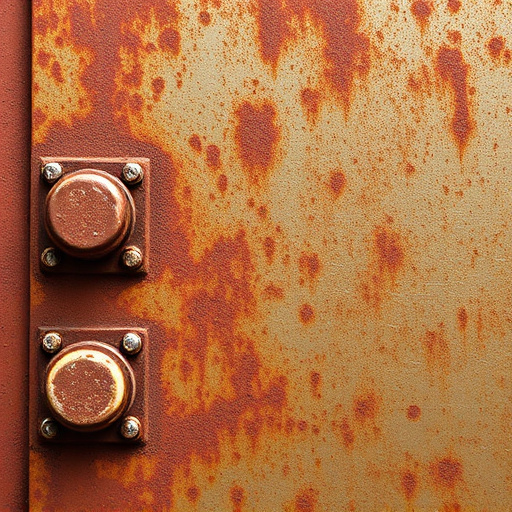
Spring rust and corrosion are inevitable, but proactive measures can significantly extend the lifespan of your garage door springs. These metallic components, critical for door balance and operation, are susceptible to degradation from the region's unique climate, especially the high heat and arid air of Tucson. The primary culprit is oxidation, a chemical process that weakens the spring's steel, leading to failure over time.
Preventive action starts with understanding your spring type. The two primary varieties are oil-tempered and galvanized. Oil-tempered springs, known for their flexibility and resistance to rust, are a popular choice for Tucson's conditions. They're less susceptible to the rapid corrosion that can occur in humid environments. Galvanized springs, on the other hand, are coated in zinc to protect against rust, offering a robust solution for areas with higher humidity levels. When considering a replacement, a Tucson garage door specialist recommends assessing your door's weight and the local climate to choose the most suitable spring type.
Regular cleaning and lubrication are essential in combating spring rust and corrosion. A clean spring is a less rusty spring. Using a soft brush and a mild detergent, remove any debris or dust buildup. After thorough drying, apply a lightweight lubricant, such as a silicone-based spray, to reduce friction and prevent premature wear. Remember, excessive lubrication can attract dirt, so a minimal, regular application is key. For springs with visible signs of rust, a professional service call may be necessary. A local garage door repair company can assess the extent of the corrosion and offer solutions, which may include spring replacement or, in some cases, a simple cleaning and re-oiling process.
To proactive care, understanding spring cycle ratings is vital. These ratings, typically ranging from 1 to 3, indicate the spring's expected lifespan based on its load-bearing capacity and frequency of use. Higher cycle ratings signify springs designed for heavy doors or high-use environments. By choosing springs with appropriate cycle ratings for your door, you ensure they can withstand the demand placed on them. A double-spring system, suitable for heavy doors, may have a cycle rating of 3, indicating superior durability.
Choosing the Right Spring: Key Considerations

Choosing the right spring for your garage door is crucial. In Tucson, especially in Oro Valley, where temperatures can soar, spring longevity becomes a critical consideration. Two primary types of springs exist: extension and torsion. Each has distinct characteristics and applications.
Extension Springs are the classic choice for lighter doors. They extend and contract, allowing the door to open and close smoothly. These springs are known for their durability but are less effective for heavier doors. They also require regular maintenance to prevent spring rust and corrosion, which can significantly reduce their lifespan. A good rule of thumb is to replace extension springs every 7,000 to 10,000 cycles, or roughly 7 to 10 years, depending on usage and local climate conditions.
Torsion Springs, on the other hand, are designed for heavier doors. They operate within a tube, providing a sturdier and safer option. Torsion springs have a longer lifespan than extension springs, often lasting 15,000 to 20,000 cycles, or about 15 to 20 years. However, they require professional installation and maintenance due to the precision involved. When considering a replacement, an experienced Tucson garage door installer recommends assessing the door's weight and the local climate. High cycle ratings indicate springs designed for heavy use, while low cycle ratings are for lighter doors.
Both types of springs face the challenge of spring rust and corrosion, especially in environments with high humidity. Regular inspection and lubricating the springs can extend their life. If you notice signs of a failing spring, such as a broken spring sound or uneven door balance, contact a local garage door repair service. They can perform a thorough assessment and recommend the best course of action, whether it's repairing or replacing the springs, ensuring your garage door operates safely and efficiently. Remember, the cost of garage door spring replacement in Tucson varies based on spring type, door weight, and the complexity of the job, with an average range of $150 to $500 per spring.
Frequently Asked Questions About an explainer on torsion and extension springs and how they differ
What is the primary difference between torsion and extension springs? Torsion springs twist to store energy, while extension springs stretch to do so. Torsion springs are often used in garage doors and other applications requiring a rotating force, while extension springs are commonly found in windows, gates, and mechanical devices where a pulling force is needed.
How do torsion springs work in garage doors? Torsion springs are mounted above the garage door, twisting as the door opens and closes. This twisting action stores energy that helps support the door's weight, making it easier to open and close. They ensure the door operates smoothly and safely.
Are extension springs stronger than torsion springs? Not inherently. The strength of a spring depends on its material, wire diameter, and coils. Both types can be engineered to meet specific strength requirements. Extension springs are often chosen for their ability to handle pulling forces, while torsion springs excel at managing rotational force.
When should I replace my garage door springs? Garage door springs should be replaced every 7,000 to 10,000 cycles, or roughly 5 to 7 years, depending on usage. Over time, springs lose their strength and elasticity, compromising door safety and performance. Regular inspection by a licensed Tucson garage door service can help determine when replacement is necessary.
Can I replace garage door springs myself? While some homeowners may be capable of replacing springs, it's usually recommended to hire a licensed professional. Garage door springs are under significant tension, posing potential safety risks. An experienced Tucson garage door specialist will have the tools and knowledge to replace springs safely and effectively.
What factors affect the cost of garage door spring replacement? The cost can vary based on spring type, size, and the complexity of the job. Most installations take one to two days, including labor and parts. Eddies Garage Door Service in Tucson offers transparent pricing, considering these factors to provide a fair estimate.
Understanding the distinct characteristics of torsion and extension springs is crucial for any Tucson homeowner or garage door service professional. This article has highlighted the importance of spring selection, emphasizing factors like door weight, climate conditions, and desired cycle ratings. It has underscored the pervasive issue of spring rust and corrosion, detailing prevention methods and treatment strategies. By balancing cost-effectiveness with safety and longevity, homeowners can ensure their garage doors operate smoothly and securely. Regular lubrication and proper winding techniques can significantly mitigate spring corrosion. Moving forward, prioritizing spring maintenance, especially in the challenging Tucson heat, will contribute to the overall efficiency and safety of your garage door system, extending the lifespan of your springs and reducing the need for costly repairs.
Tucson Garage Door Springs: Torsion vs. Extension, and Spring Rust Prevention
Understanding the difference between torsion and extension springs is vital for Tucson homeowners. Torsion springs, mounted above the door, support heavier doors but are more complex and prone to issues like rust, requiring regular maintenance. Extension springs, installed on the door frame, are simpler and generally more affordable, but less efficient for heavy doors and may need frequent replacement due to wear and spring rust, especially in humid environments.
Choosing the right spring type depends on door weight, size, and local climate. Regular cleaning and lubrication are crucial to combat spring rust and corrosion, which weaken and eventually fail springs. Proactive care, understanding cycle ratings, and professional installation extend spring life and ensure garage door safety and reliability.
Replace extension springs every 7-10 years and torsion springs every 15-20 years, based on cycle ratings and climate. Timely service from a trusted Tucson garage door specialist, like Eddies Garage Door Service, is key to maintaining a safe, efficient garage door system.