Broken garage door springs pose a significant safety hazard, often causing severe injuries and property damage. Due to the immense force stored in these springs, handling them incorrectly can lead to sudden, powerful failures. This is particularly concerning in Tucson's heat, which can accelerate spring corrosion and failure. Understanding the risks is crucial, especially when considering that a broken spring can cause a door to suddenly fall, trapping individuals inside or striking bystanders. This article explores these dangers and offers guidance on why it's often best to rely on professional services, even providing insights into spring conversion kits as a potential solution for specific situations.
- Understanding the Risks: Why Broken Springs Pose a Threat
- The Dangers of DIY: Spring Conversion Kits & Professional Help
- Safely Disposing & Replacing: Best Practices for Garage Door Springs
Understanding the Risks: Why Broken Springs Pose a Threat

Broken garage door springs are not a trivial issue; they pose significant risks that cannot be overlooked, especially in the harsh desert heat of Tucson. A family run Tucson garage door business understands these dangers all too well, as a broken spring can lead to severe injuries or property damage if not handled correctly. The primary concern is the potential for sudden, powerful failure, which can cause a door to spring open or slam shut with great force.
Torsion springs, a common type found in many residential garage doors, can store considerable energy. When they snap, the force they release is akin to a powerful spring-loaded weapon. A center bearing, which connects the torsion spring to the door, can also become a hazard. If the spring breaks at the bearing, it may shoot out with tremendous velocity, posing a serious threat to anyone nearby. In the heat of the desert, these springs can lose their elasticity, increasing the risk of sudden failure.
Attempting to repair or replace a broken spring without the proper knowledge and tools is extremely dangerous. DIY enthusiasts may be tempted to tackle this job themselves, but the risks far outweigh any perceived savings. Spring conversion kits, while a viable solution, require expert installation. Improper conversion can lead to further instability and potential catastrophe. The Tucson Better Business Bureau (BBB) and the Arizona Department of Consumer Protection (DCP) urge homeowners to leave such work to professionals.
The consequences of a broken spring failure can be devastating. From lacerations and fractures to door and property damage, the dangers are real. A local garage door repair service can provide the necessary expertise to safely assess and resolve spring issues. They can also offer guidance on when a complete spring replacement, including conversion to a high-cycle spring for better durability, is the safest course of action. Always prioritize safety when dealing with garage door springs; the potential for harm is simply too great to ignore.
The Dangers of DIY: Spring Conversion Kits & Professional Help
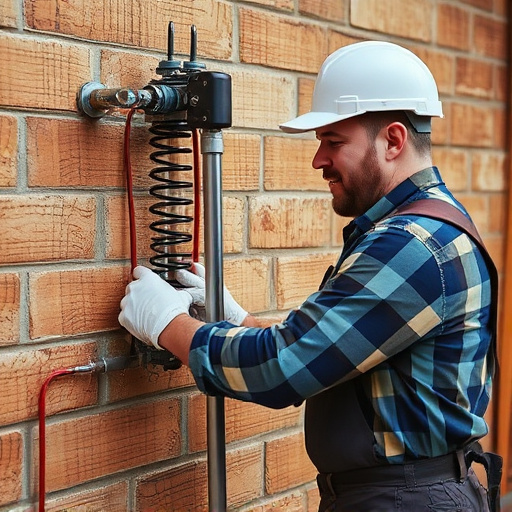
DIY spring repair, especially with conversion kits, can seem like a cost-effective solution for a seemingly minor issue. However, broken garage door springs are among the most dangerous home repair projects. Springs, particularly heavy-duty ones found on larger doors, store immense energy. A single spring can exert over 10,000 pounds of force-enough to cause severe injury or even death if mishandled. While some homeowners feel confident tackling basic repairs, springs require specialized knowledge and equipment.
Spring conversion kits, while marketed as DIY-friendly, can be risky. They often involve replacing a worn or damaged spring with a new one, a process that demands precise alignment and tensioning. A misstep can lead to spring failure, resulting in a catastrophic release of tension and a potential launch of the door or parts thereof. Many kits lack the safety features, like safety cables and anchor plates, that professional technicians incorporate to prevent such accidents. In Marana, as in Tucson more broadly, we've seen the consequences of DIY gone wrong: broken springs, property damage, and even personal injury.
The risks associated with spring repair underscore the importance of turning to a qualified professional. A local Tucson garage door technician brings expertise, experience, and the right tools to ensure a safe and effective repair. They will assess the door's condition, select the appropriate spring type-considering factors like door weight and climate (for example, oil-tempered springs offer better corrosion resistance in our arid environment)-and install it properly, taking into account the door's balance and safety systems. Remember, for garage door springs, safety should never be an afterthought.
Safely Disposing & Replacing: Best Practices for Garage Door Springs
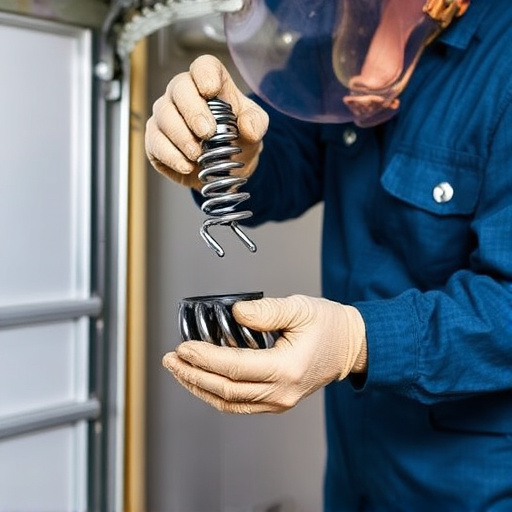
Broken garage door springs are a serious safety hazard that should never be handled by untrained individuals. An experienced Tucson garage door installer warns that attempting to fix or remove damaged springs can result in severe injury or death. Springs, especially heavy-duty ones, are under immense tension, making them potent weapons if mishandled. Even experienced technicians use specialized tools and safety protocols to minimize risk when dealing with them.
The potential dangers of springs are magnified in extreme weather conditions, like the monsoons Tucson experiences. High cycle ratings, common in our climate, indicate the stress springs endure due to frequent opening and closing. Powder-coated and galvanized springs, though durable, can still fail, leading to catastrophic events. Rust and corrosion, accelerated by heat and moisture, weaken springs, making them more prone to breakage.
When a spring breaks, it's crucial to understand why. Often, replacing a single spring involves more than just swapping it out. The balance of the door system is disrupted, requiring adjustments to the tension and possibly the installation of a spring conversion kit. These kits, designed for specific door types and weights, ensure the door operates safely and smoothly. A two-car door with a heavy load might need both springs replaced and a kit to realign the balance, preventing future issues.
Proper disposal of old springs is another critical aspect. Due to their metal content, springs cannot be thrown away like regular trash. Many local recycling centers accept them, allowing for responsible disposal and potential repurposing. An experienced installer recommends checking with your city's waste management department for specific guidelines. This ensures that springs, especially those made from specialized materials, don't end up in landfills, where they can pose environmental risks.
Frequently Asked Questions About safety advice on why broken springs are dangerous to handle
Why are broken garage door springs considered dangerous? Broken garage door springs pose significant safety risks. These powerful springs store considerable energy, often equal to several hundred pounds of force. If handled improperly, they can cause severe injuries, including lacerations, contusions, or even more severe trauma. The rapid release of this stored energy can lead to violent projections of parts, posing a threat to people and property nearby.
Can I fix a broken spring myself? It's crucial to avoid attempting to fix a broken spring yourself, unless you are a trained professional. Garage door springs operate under high tension, making them extremely dangerous to handle without the right tools and expertise. Even experienced technicians wear safety gear and use specialized equipment to minimize risks. Attempting a DIY repair could result in serious injury or further damage to your garage door and property.
What happens if I try to adjust or replace a broken spring without help? Attempting to adjust or replace a broken spring without proper training can have disastrous consequences. You risk subjecting yourself to sudden, powerful spring release, leading to potential injury. Improper adjustments can compromise the spring's tension, rendering the door unsafe and potentially causing further malfunctions. Always rely on a licensed professional for spring repairs.
How do I know if a spring is broken? Several signs indicate a broken garage door spring. You may hear a loud snapping or popping noise during operation, see visible damage or kinks in the spring, or experience sudden and uneven door movement. If your garage door is difficult to open or close, or if it stops mid-cycle, these could be red flags. Contact a professional for an inspection if you suspect a spring issue.
Should I call a professional for emergency spring replacement? Absolutely. In case of a broken spring, prioritize safety and call a licensed, experienced garage door service immediately. Professionals have the tools and training to replace the spring safely and efficiently, minimizing disruption and ensuring your garage door functions correctly once again.
Broken garage door springs are not a do-it-yourself project. Their delicate balance and potential for sudden, powerful release make them a significant safety hazard. While spring conversion kits seem appealing, their proper installation requires specialized tools and expertise. Prioritizing safety, homeowners should rely on licensed professionals to dispose of old springs and install new ones, ensuring the door operates securely and smoothly. Understanding these risks empowers Tucson residents to make informed decisions, ultimately saving time, money, and most importantly, preventing serious injury.
Broken garage door springs in Tucson's harsh climate pose significant risks, including sudden failure, property damage, and personal injury. DIY repairs, especially with spring conversion kits, are dangerous due to the stored energy in these components. Professional technicians have the expertise and tools to handle spring issues safely, selecting appropriate spring types, and ensuring door balance. Proper disposal of old springs is crucial for environmental safety, following local waste management guidelines. Spring replacement and conversion kits are essential for maintaining door safety and stability.