In the bustling homes across Tucson, the garage door is often an overlooked yet critical component of daily life. A broken or poorly balanced garage door not only disrupts routine but can also pose safety risks. When spring repair becomes necessary, it's crucial to understand the importance of balancing the door afterward. This article examines the intricacies of garage door spring repairs, focusing on why replacing both springs is often the best course of action. We'll guide you through the process, from identifying spring failures to ensuring your door operates smoothly and safely after the repair.
- Understanding Garage Door Balance After Spring Replacement
- Tools and Safety: Preparing for a Balancing Task
- Step-by-Step Guide: Balancing Your Door, Why Replace Both Springs?
Understanding Garage Door Balance After Spring Replacement
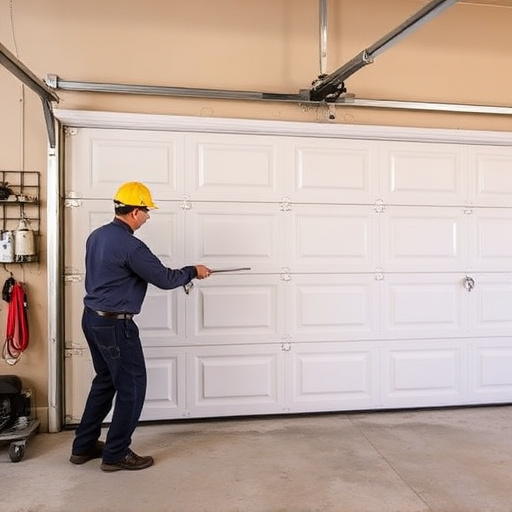
After a garage door spring repair, understanding the balance of your door is crucial. This is especially true when considering why replace both springs-it's not always about the failing spring alone. The balance of your garage door is determined by the interplay of several components, most notably the springs and the center bearing.
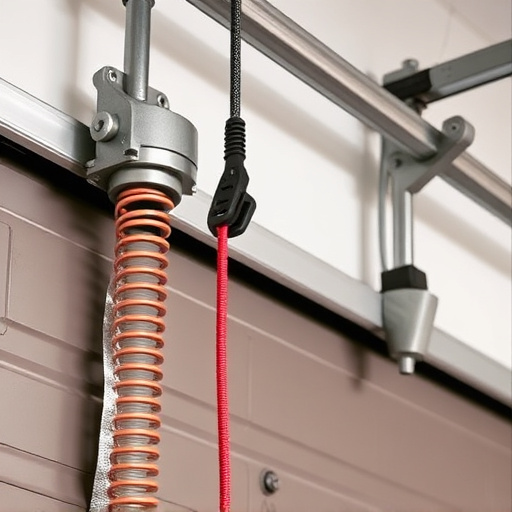
The primary difference between torsion and extension springs lies in their mounting and function. Torsion springs, common in modern doors, mount inside a tube at the top of the door and operate on a twisting mechanism. Extension springs, found in older doors, run vertically along the door's sides and stretch as the door opens. A skilled Tucson garage door specialist will assess which type best suits your door and needs.
When both springs are replaced, it's not merely a matter of swapping out the old for the new. This is because the balance of the door changes with each spring replacement. Why replace both? Because springs work in tandem to support the door's weight, and replacing just one can throw off the door's balance, leading to uneven operation, increased noise, and potential safety risks. After a repair, a professional will check the door's balance by manually opening and closing it, making adjustments as needed, including replacing or tightening the center bearing.
Proper balancing ensures your garage door operates smoothly, safely, and quietly. It also extends the life of your springs by reducing stress on individual coils. A well-balanced door may only require minor adjustments or lubricating the springs every few years, rather than frequent repairs or replacements. Remember, balancing is key, and why replace both springs becomes clear when considering the holistic health of your garage door system.
Tools and Safety: Preparing for a Balancing Task
When balancing a garage door after a spring repair, especially when considering why replace both springs, safety and precision are paramount. Before you begin, ensure you have the right tools at hand, including a new spring (often extension or torsion springs, depending on your door's setup), a spring winder, and safety gear such as gloves and safety glasses. Understanding the difference between torsion and extension springs is crucial. Torsion springs, common in Marana, are cylindrical and wrap around a tube, while extension springs are straight and attach to a cable. The former is typically used for heavier doors, with the latter suitable for lighter ones.
Proper spring length is a key factor in door balance. A local Tucson garage door technician recommends measuring the existing spring's length and comparing it to the manufacturer's specifications. If there's significant variance, or if you notice signs a spring is failing (like a broken spring sound or door drift), it's often best to replace both springs. This is particularly true for doors in Marana experiencing high cycle rates due to frequent use. The process involves detaching the old springs, installing the new ones, and then winding them to the correct tension. Tools like spring winding bars and cone and anchor plates facilitate this, ensuring your door is secure and balanced.
Remember, DIY spring repair can be dangerous, especially for heavy doors. The force involved can lead to injuries if not handled correctly. If you're unsure or your door is particularly large, it's best to call a professional. They'll not only replace the springs but also check for other issues that could affect balance, like rust and corrosion, which can impact both extension and torsion springs. Regular maintenance, including lubricating springs and checking for wear, can extend their life, saving you from costly repairs down the line.
Step-by-Step Guide: Balancing Your Door, Why Replace Both Springs?
Balancing your garage door after a spring repair is crucial for safety, functionality, and longevity of your door system. Many Tucson homeowners, including those in Marana and Oro Valley, ask, "Why replace both springs?" The answer lies in maintaining optimal balance and performance. When one spring fails, it throws off the door's equilibrium, leading to uneven closing, noisy operation, and potential safety hazards.
A garage door company serving Tucson and Oro Valley will typically recommend replacing both springs as a preventative measure. This is because springs work in tandem to support the door's weight. While single springs can accommodate lighter doors, most residential doors in our region, especially two-car doors, require the stability of dual springs. Replacing just one can result in a lopsided door that sags on one side, compromising the door's ability to close securely.
The process of balancing a door after spring replacement involves several steps. First, ensure both new springs are properly sized for your door's weight, considering it's a common cause of spring failure. Next, adjust the spring tension and door alignment. This may require fine-tuning the door's hinges and tracking its path as it opens and closes. If the door has a broken spring sound or displays signs of uneven wear, adjustments are needed. Finally, test the door's balance by manually lifting it at various points to ensure it operates smoothly and safely. By following these guidelines, you can maintain a well-balanced garage door, enhancing its performance and extending the life of your springs.
Frequently Asked Questions About advice on balancing a garage door after a spring repair
What is the purpose of balancing a garage door?
Balancing a garage door ensures it operates smoothly and safely. After a spring repair, rebalancing is crucial to prevent future issues. It involves adjusting the door's weight distribution to ensure equal tension on both sides, eliminating wobble or uneven movement. This simple step ensures the door opens and closes effortlessly, enhances safety by reducing the risk of bind or crash, and extends the life of the springs and other components.
How do I know if my garage door needs to be balanced?
Look for telltale signs like wobbling, uneven movement, or a loud noise when opening or closing. If the door sways side-to-side or seems to pull to one side, it's likely unbalanced. Check for a misaligned track or a door that doesn't close all the way. These are all indicators that a balance adjustment is necessary. A licensed Tucson garage door specialist can also perform a thorough inspection to pinpoint any issues.
What tools are needed to balance a garage door?
Only a few basic tools are required: a level (to ensure proper alignment), a wrench or socket set (to adjust the spring tension), and a screwdriver (to loosen and tighten screws). Some doors may also require a spring winding bar, depending on the design. Eddies Garage Door Service, a local Tucson garage door company, often provides these tools when performing a spring repair.
When should I replace the springs instead of balancing the door?
While balancing is often a quick fix, worn or broken springs are a common cause of imbalance. If your door's springs show signs of significant wear, such as fraying, rust, or difficulty extending, it's best to replace them. A Tucson garage door specialist can assess the condition of your springs and recommend the best course of action, which may involve a complete spring replacement.
Can I balance a garage door myself or should I hire a professional?
While some homeowners may feel confident performing basic maintenance, balancing a garage door, especially after a spring repair, requires specific knowledge and skills. It's recommended to hire a licensed and experienced Tucson garage door technician. They have the expertise to safely address any underlying issues and ensure the door is balanced correctly for optimal performance.
What happens if I try to balance the door myself and it doesn't work?
If your self-balancing attempt doesn't resolve the issue, it's best to contact a professional. Improperly balanced doors can lead to further damage and safety hazards. A Tucson garage door specialist can diagnose the problem and make the necessary adjustments to restore proper balance.
How often should I check the balance of my garage door?
Regular checks, at least annually, are recommended to ensure optimal performance and safety. Over time, factors like weather, wear and tear, and changes in temperature can impact the balance of your garage door. A licensed Tucson garage door service can perform a professional balance check as part of your routine maintenance.
After completing the step-by-step guide to balancing your garage door, it's clear that replacing both springs is often the best solution. Understanding why this is crucial for maintaining your door's balance and safety is key. By addressing both springs, you ensure even distribution of weight, which is especially vital in Tucson's heat, where springs can lose strength and efficiency. This comprehensive approach prevents future issues like off-center doors, noise, or even worse, safety hazards. Moving forward, prioritize regular maintenance and prompt repair when issues arise, ensuring your garage door operates smoothly and securely for years to come.
Balancing a Garage Door After Spring Repair:
- Why Replace Both Springs? To maintain door balance and performance. One failing spring throws off equilibrium, leading to uneven operation, increased noise, and potential safety risks.
- Spring Types: Torsion (common in modern doors) and extension (found in older doors) springs have distinct mounting and functional differences.
- Replacement Process: Involves detaching old springs, installing new ones, and winding them to correct tension. Regular maintenance, like lubricating springs, extends their life.
- Safety First: DIY repairs can be dangerous, especially for heavy doors. Professional assistance is recommended for best results and safety.
- Holistic Approach: Balancing ensures smooth, safe, and quiet operation. It also prolongs spring life by reducing individual coil stress.