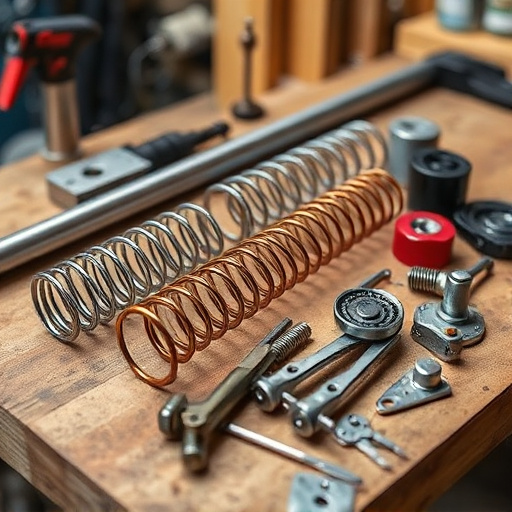
In the bustling homes of Tucson, garage doors serve as more than just entryways; they're pivotal mechanisms that impact daily routines and home safety. Spring repairs, a common garage door service, can range from straightforward adjustments to complete spring replacements, especially in our region's challenging climate. Balancing a garage door after a spring repair is a crucial step often overlooked, yet it significantly affects door performance and longevity. This article provides a practical guide, detailing the signs of a failing spring, the importance of balance, and the role of cone and anchor plates in ensuring your garage door operates safely and smoothly after repairs, all while offering valuable insights into local service considerations.
- Understanding Garage Door Balance After Spring Repair
- Install and Adjust Cone and Anchor Plates Correctly
- Final Checks: Ensuring Safe and Smooth Operation
Understanding Garage Door Balance After Spring Repair
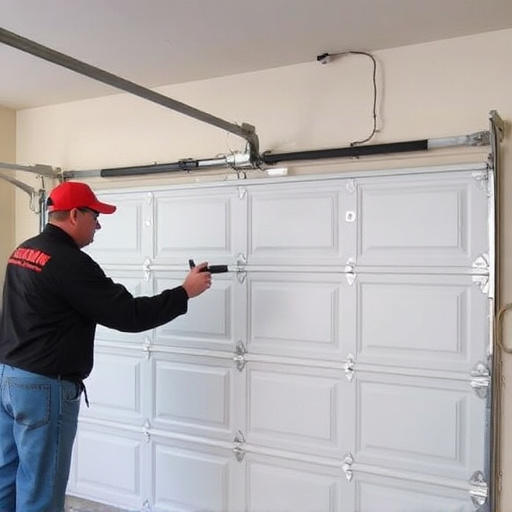
After a garage door spring repair, achieving the correct balance is crucial. This is especially true for homes in regions like Oro Valley and Vail, where extreme heat can affect spring performance. A balanced door operates smoothly, safely, and efficiently, preventing excessive wear on other components. The balance involves the interplay of the door's weight, the tension on the springs, and the positioning of cone and anchor plates.
The first step in balancing a door after a spring repair is to assess the door's weight. Heavier doors require stiffer springs to maintain stability. A local Tucson garage door technician recommends checking the spring size and type-extension or torsion springs-as they are designed to handle specific weight ranges. High-cycle springs are better suited for doors over 200 pounds, while standard springs work for lighter doors. The technician should also verify if both springs need replacement, as they often wear out simultaneously.
Cone and anchor plates play a vital role in door balance. These components transfer the spring tension to the door, ensuring it stays level. During the repair process, these plates must be correctly aligned and secured. A misaligned plate can lead to uneven weight distribution, resulting in a lopsided door. To avoid this, the technician should double-check the plates' positioning and ensure they are firmly attached. Proper balance can also reduce noise, preventing the door from squeaking or binding, common issues in hot climates like Tucson.
Regular maintenance, including lubricating the springs, can extend the life of your garage door springs. A licensed garage door company in Tucson suggests inspecting the springs periodically for signs of rust or corrosion, especially in hot, dry environments. Replacing springs before they fail ensures a safe, smooth door operation and prevents unexpected costs. Remember, a balanced door is a safe door, and understanding the balance process after spring repairs is a key step in maintaining your garage door's longevity.
Install and Adjust Cone and Anchor Plates Correctly
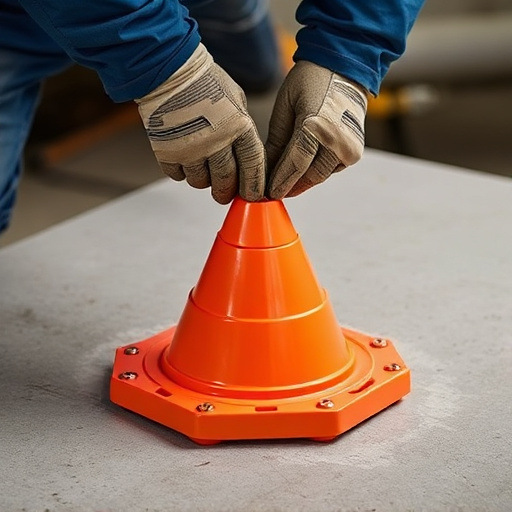
Properly installing and adjusting cone and anchor plates is a crucial step in balancing a garage door after repairing or replacing springs, especially in our hot Tucson climate. These plates, located at the top and bottom of the garage door track, serve as anchors for the torsion spring, distributing its tension and ensuring smooth, level door operation. Getting them right is essential to avoid imbalances that can lead to noisy operation, uneven door closure, or even safety hazards.
When installing or replacing cones and anchor plates, a local Tucson garage door technician recommends the following:
- Choose the right size: Select plates that match the weight and size of your garage door. Using plates that are not appropriately sized for your door can lead to improper balance and spring strain.
- Positioning matters: The anchor plate should be securely fastened at the end of the track, while the cone plate should be placed at the midpoint of the track. Misalignment can throw off the door's balance, so double-check your measurements and refer to your door's manufacturer instructions for guidance.
- Tighten securely: Ensure that all bolts and screws holding the plates in place are tightly secured. Proper tightening is vital for the plates to function effectively and maintain the door's balance.
Another important consideration is the type of plate. Traditional cone and anchor plates are made of steel and come in various finishes. In our area, where sunlight and heat can accelerate corrosion, consider using plates with a protective coating like zinc or hot-dip galvanization. These finishes offer enhanced resistance to rust and corrosion, extending the lifespan of your garage door hardware. When selecting torsion springs, remember that double springs offer increased strength and durability, a smart choice for heavier doors or those in harsher climates like Vail.
Final Checks: Ensuring Safe and Smooth Operation

After successfully repairing or replacing your garage door spring, the final checks are crucial to ensure safe and smooth operation. This involves a thorough inspection of the door's balance and the structural components supporting it, including cone and anchor plates. The balance of your garage door is a delicate equilibrium, and even a slight imbalance can lead to future issues.
One of the primary tasks is to verify the proper alignment of the door tracks, ensuring they are straight and parallel. This is especially important if you've replaced a spring on a single door, as the balance can be affected. The inside diameter of the tracks should be measured to guarantee they're not worn or damaged, which could disrupt the door's alignment. Inspect the cone and anchor plates, which are critical for securing the spring system. These plates must be firmly attached and positioned correctly, ensuring the spring is adequately supported and the door's weight is evenly distributed.
A key distinction to understand is the difference between torsion and extension springs. Torsion springs, commonly used on larger doors, are coiled and operate by twisting, while extension springs, found on smaller doors, stretch and contract. Knowing the type of spring installed helps when checking for wear and tear, as different springs have varying life expectancies and maintenance requirements. For choosing between single and double springs, consider your door's weight and the recommended spring rating. An experienced Tucson garage door installer can provide guidance on the best option for your specific needs.
Finally, after adjusting the door tracks and ensuring the cone and anchor plates are secure, test the door's operation. Listen for any unusual noises, which could indicate misalignment or worn components. A smooth, quiet opening and closing confirms the successful completion of your spring repair, and your garage door is now ready to serve you for many cycles to come.
Frequently Asked Questions About Balancing a Garage Door After Spring Repair
What is the purpose of balancing a garage door?
Balancing ensures your garage door operates smoothly and safely. After a spring repair, balancing is crucial to prevent future issues. It involves adjusting the door's weight distribution so it moves evenly and doesn't pull to one side, reducing strain on the newly repaired spring and extending its life.
How do I know if my garage door needs balancing?
Look for signs like irregular door closing, uneven tracking, or excessive vibration during operation. If your door is difficult to open or close, or makes loud noises, these could indicate an imbalance. A licensed technician from Eddies Garage Door Service can inspect and diagnose the problem.
What should I do if my garage door is unbalanced?
Contact a professional garage door technician for safe and accurate balancing. They will check the door's weight distribution, adjust the springs, cables, and counterweights, and ensure the door operates smoothly and securely. Never attempt to balance a door yourself, as improper adjustment can lead to injury or further damage.
How long does it take to balance a garage door?
Most balancing jobs take one to two days, depending on the door's size, complexity, and the extent of previous damage. A technician from a local garage door company like Eddies will first diagnose the issue, then perform the necessary adjustments, testing the door thoroughly before finalizing the repair.
What if I think I can balance the door myself?
While DIY projects can be rewarding, garage door balancing is best left to professionals. Improper balancing can result in serious injury or property damage. A local specialist can quickly and safely address the issue, ensuring your door is secure and operates efficiently.
How often should I have my garage door balanced?
Regular balancing is recommended every 6-12 months, or more frequently if you notice issues. Consistent maintenance prevents problems and prolongs the life of your springs and other components. A family-run Tucson garage door business like Eddies can include balancing as part of your regular maintenance schedule.
After successfully repairing or replacing your garage door springs, balancing the door is crucial for safe and smooth operation. This process involves correctly installing and adjusting cone and anchor plates, ensuring the door's weight is evenly distributed. By following these steps, you can avoid future imbalances and potential safety hazards. Regularly inspect and maintain your garage door system, lubricate springs as needed, and consider consulting a licensed Tucson garage door service for complex adjustments. Remember, the proper balance enhances your door's performance, extends spring life in the Tucson heat, and safeguards your family and property.
Balancing a Garage Door After Spring Repair: A Step-by-Step Guide
Achieving proper balance is vital for safe, efficient garage door operation, especially in hot climates like Tucson and Oro Valley. This involves considering door weight, spring type, cone and anchor plate positioning, and regular maintenance.
Steps:
1. Assess Door Weight: Heavier doors require stiffer springs. Check spring size and type (extension or torsion) for suitable weight support.
2. Ensure Cone and Anchor Plate Alignment: These plates transfer spring tension, ensuring level door operation. Double-check positioning and attachment for even weight distribution.
3. Regular Maintenance: Lubricate springs and inspect for rust or corrosion, especially in dry, hot environments. Replace springs proactively to avoid failure.
Proper balance reduces noise, prevents door misalignment, and ensures safe operation, extending your garage door's lifespan.