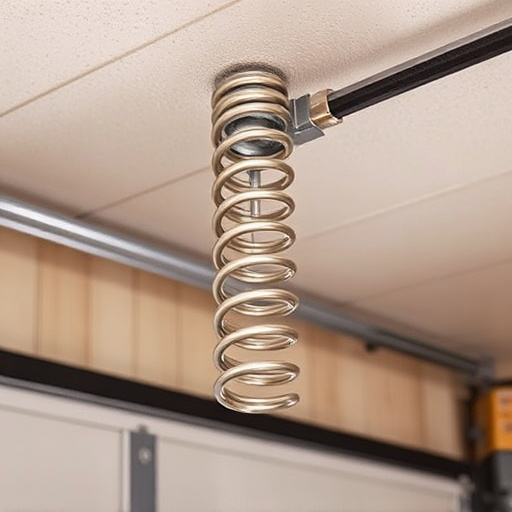
In every Tucson home, a well-functioning garage door is essential for safety, security, and convenience. However, when a spring breaks, balancing the door becomes a challenge. This is where understanding how to properly lubricate springs becomes crucial after a repair. Spring repair, especially replacement, can be a complex task, as both torsion and extension springs play vital roles in your door's operation.
After a spring repair, the door's balance is off, leading to potential safety risks and further wear and tear. This article provides practical advice on balancing your garage door after a spring repair in Tucson, ensuring a safe and secure home environment. We'll guide you through the process of lubricating springs naturally, adding much-needed friction to restore balance.
- Assessing Your Garage Door Balance
- Natural Spring Lubrication Techniques
- Fine-Tuning for Optimal Performance
Assessing Your Garage Door Balance
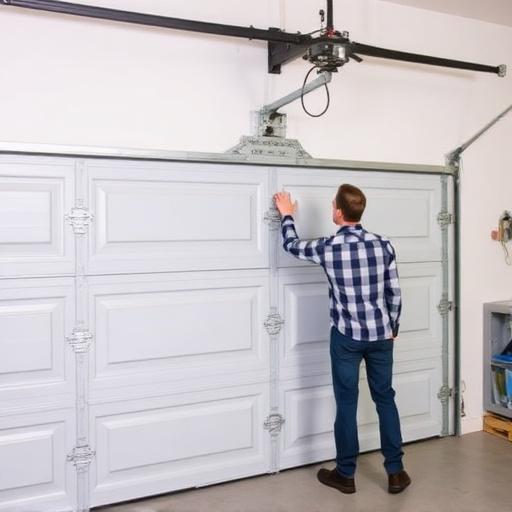
After a garage door spring repair, achieving proper balance is crucial for smooth operation and safety. Understanding the balance of your garage door involves recognizing the difference between torsion and extension springs, which serve distinct functions. In Oro Valley and the surrounding areas like Vail, local garage door companies often receive calls regarding door imbalance, a common issue after spring replacement.
Torsion springs, commonly found in larger doors, are responsible for lifting the door and providing stability. Extension springs, on the other hand, are paired with torsion springs and assist in counterbalancing, particularly during opening and closing. A licensed Tucson garage door company can help explain these differences, crucial for proper door balance. Imbalance can occur when one spring is weaker or stretched differently, affecting door alignment and performance.
To assess balance, start by visually inspecting the springs. Oil-tempered springs, common in Tucson's climate, may require periodic lubrication to maintain flexibility and reduce corrosion, especially in hot, dry conditions. Check for visible wear, rust, or stretching, which can indicate a failing spring. The door's position when opened and closed can also reveal imbalances. If the door sags or leans to one side, it suggests an issue with spring tension or alignment. Regular maintenance, including spring winding and adjustments, can prevent these issues.
When addressing balance after a spring repair, consider these steps. First, ensure both springs are evenly wound and properly sized for your door's weight. For heavy doors, sturdier springs may be needed. Second, lubricate springs naturally using a light oil, which improves their flexibility and longevity. Third, recheck door alignment and make adjustments as necessary. Finally, test the door's operation, ensuring it opens and closes smoothly without any signs of imbalance. Regular attention to these details will maintain your garage door's balance and extend the life of your springs.
Natural Spring Lubrication Techniques
After repairing or replacing a garage door spring, balancing the door is crucial for safe and smooth operation. One effective and natural way to maintain spring health and prolong their lifespan is through lubrication. A local Tucson garage door technician recommends using light, non-detergent oils like silicone or WD-40. Applying these lubricants to the spring coils, pins, and tracks reduces friction, minimizing wear and tear. This is especially important in the high-cycle environments found in homes around Marana, where garage doors can be used multiple times daily.
Proper lubrication goes beyond basic maintenance. It directly impacts the door's balance and performance. An extension spring, for instance, requires regular lubrication to maintain its cycle rating-a measure of its ability to consistently return the door to a level position. Neglecting lubrication can lead to increased friction, causing the spring to weaken and potentially fail prematurely. By lubricating the spring and associated components, you ensure a more balanced door, reduce noise, and extend the spring's effective lifespan.
The key to successful natural spring lubrication is consistency. Regularly check and reapply lubricant, especially after spring adjustments or repairs. A good rule of thumb is to lubricate at least twice a year or after any significant weather changes, as dry, dusty conditions can accelerate spring corrosion. Remember, over-lubrication is not ideal; a thin, even coat is sufficient. Applying lubricant during each service call, as recommended by the Arizona Department of Consumer Protection, ensures a well-maintained door and helps prevent costly future repairs.
Fine-Tuning for Optimal Performance

After a garage door spring repair, achieving optimal performance requires fine-tuning, a crucial step often overlooked. This process involves balancing the door and ensuring the springs operate efficiently, which is particularly important in the unique climate of Tucson. One key aspect is lubricating the springs naturally, a practice that reduces friction and prolongs spring life. In Marana, where the climate presents unique challenges, a local Tucson garage door technician recommends using lightweight, food-grade lubricants that resist heat degradation. This simple step can extend the lifespan of your extension springs, which typically have an inside diameter 1-3 times larger than the wire size, making them the primary focus of this fine-tuning process.
The balance of a garage door is a delicate art. A single-car door with a lighter spring on one side may exhibit a noticeable lean after repair. In contrast, a two-car door with both springs replaced might now swing too freely, requiring adjustments to the tension. A local garage door repair service suggests using a door weight gauge to determine the correct spring tension for each door. By balancing the door weight against the spring's resistance, you can ensure smooth, controlled operation.
During fine-tuning, also pay close attention to the torsion tube, the heart of your door's spring system. A local building code department in Tucson emphasizes the importance of proper installation and maintenance of these tubes, which can be prone to issues like rust and corrosion in the arid climate. Regular visual inspections and lubricating the spring windings naturally can help prevent problems. Ensure that the cone and anchor plates are securely fastened, as these components play a critical role in maintaining spring stability.
When lubricating springs, remember that less is often more. Using too much lubricant can attract dirt and debris, negating the benefits. Opt for a minimal application, allowing the lubricant to do its job effectively. A well-balanced garage door not only enhances the overall performance of your door but also contributes to energy efficiency by reducing the amount of effort required to open and close it.
Frequently Asked Questions About advice on balancing a garage door after a spring repair
What is the most common cause of an unbalanced garage door? Improper installation or loose components are often the root causes of an unbalanced garage door. Over time, springs, cables, and pulleys can stretch, break, or shift, leading to a door that sways or tilts to one side. Regular maintenance, including spring winding checks and adjustments, can prevent or mitigate these issues.
How do I know if I need to balance my garage door? Watch for obvious visual imbalances, such as a door that does not close evenly or is swaying when opened. You may also hear unusual noises, like squealing or clicking, indicating friction from an unbalanced door. If the door's balance is off, it can significantly reduce its lifespan and pose safety hazards, so addressing it promptly is crucial.
Can I balance the door myself or do I need a professional? For minor imbalances, you may be able to adjust the hardware and cable tension yourself, following safety guidelines. However, more severe cases, especially after a spring repair, often require the expertise of a licensed professional. They have the tools and knowledge to safely and effectively realign the door, ensuring it operates smoothly and safely.
What should I do if the door is still unbalanced after adjusting the springs? If adjustments to the springs haven't resolved the imbalance, there might be other issues at play, such as worn-out tracking or misaligned panels. In such cases, consult a Tucson garage door specialist for a thorough inspection. They can identify and rectify the problem, ensuring your door is safe and properly balanced.
Is there a specific time frame after spring repair when I should balance the garage door? It's advisable to balance your garage door within 24 to 48 hours after a spring repair. This window allows for the new spring's installation to set, ensuring stability and safety. Prolonged waiting may result in the door becoming unbalanced again, leading to potential damage or safety risks.
Balancing a garage door effectively after spring repairs is crucial for both safety and longevity. By understanding the natural lubrication techniques and fine-tuning the door's alignment, homeowners can ensure optimal performance and prevent future issues. The article has highlighted the importance of regular maintenance, emphasizing that lubricating springs naturally can significantly reduce friction and wear. Using lightweight oils like silicone or WD-40 can extend the life of your springs, especially in the Tucson climate where heat can accelerate corrosion. Remember, a well-balanced garage door means a quieter, smoother operation and can save you from costly repairs down the line. Next steps include scheduling regular inspections, keeping a supply of suitable lubricants handy, and being mindful of any unusual noises or signs of wear, as these can indicate the need for professional attention.
After a garage door spring repair, balancing the door is crucial. This involves understanding the difference between torsion and extension springs, which work together to support and counterbalance the door. Lubricating springs naturally with light, non-detergent oils like silicone or WD-40 is an effective way to maintain spring health and prolong their lifespan. Regular lubrication, consistent with building code recommendations, reduces friction, minimizes wear, and ensures a well-maintained door. Fine-tuning includes checking balance, spring tension, and the torsion tube for signs of rust or corrosion. Using a door weight gauge helps determine correct spring tension for optimal performance and energy efficiency. Apply lubricant minimally to avoid attracting debris.