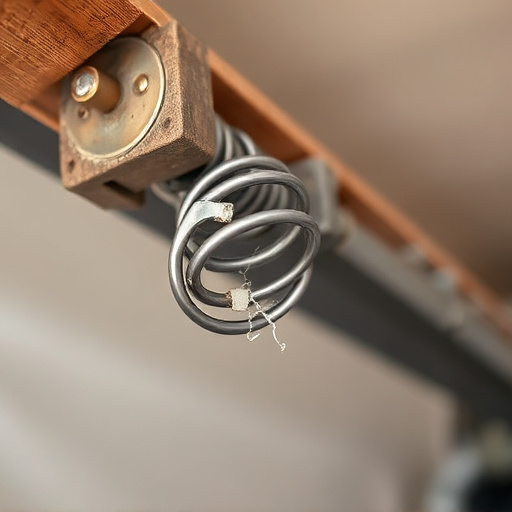
Choosing the right garage door springs is crucial, especially for Tucson homeowners with heavy doors. Springs are the unsung heroes of garage door operation, supporting the door's weight and ensuring smooth, balanced movement. However, they're also subject to intense stress, especially in the heat and under daily use. This wear and tear can lead to costly breakdowns and safety hazards, like a snapped spring, which underscores the importance of understanding spring types and the dangers of DIY repairs. This guide cuts through the clutter, helping you navigate the choices between torsion and extension springs, single vs. Double springs, and the significance of high-cycle ratings, ultimately ensuring your garage door operates safely and reliably.
- Understanding High-Cycle Springs: Heavy-Duty Daily Use
- Key Factors for Safe Spring Selection
- DIY Spring Repair: Navigating Potential Dangers
Understanding High-Cycle Springs: Heavy-Duty Daily Use
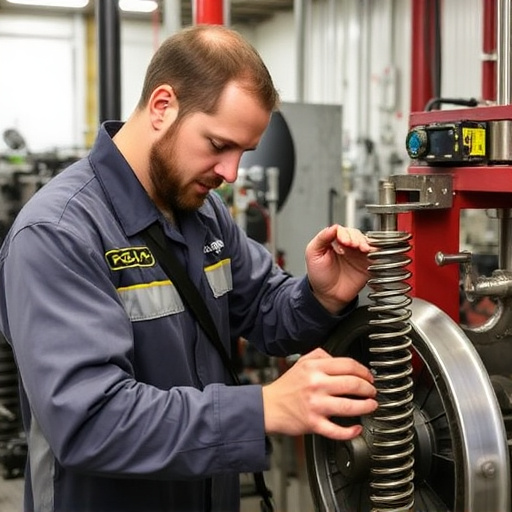
Choosing high-cycle springs for heavy daily use requires a deep understanding of these specialized components. Unlike standard springs, high-cycle springs are designed to endure frequent extension and compression, making them ideal for garage doors that open and close many times a day. A Tucson garage door specialist recommends considering winding cones, which are integral to the spring's structure, as they manage the spring's wind and unwinding. These cones ensure consistent performance and longevity, even under intense stress.
When deciding between different types of high-cycle springs, focus on the inside diameter. A common rule of thumb is to choose a spring with an inside diameter 1-3 times the door's weight. A 500-pound door might require a spring with a 1.5-inch to 3-inch inside diameter. This calculation ensures the spring can support the door's weight during both opening and closing cycles. Keep in mind that the cost of high-cycle springs can vary significantly, with prices reflecting their superior quality and performance. In Tucson, the average garage door spring replacement cost ranges from $100 to $200, depending on the spring type and the service provider.
DIY spring repair, while tempting to save costs, poses severe dangers. Improper handling of springs, especially high-cycle springs, can result in serious injuries. Professional installers use specialized tools and safety protocols to minimize risks. They employ spring winding bars to carefully manage the spring's wind, ensuring it doesn't snap or break during installation. Extension spring safety cables help prevent accidental release, a common hazard in DIY projects. Always prioritize safety and consider the expertise of a local garage door repair service when dealing with high-cycle springs.
Key Factors for Safe Spring Selection

Choosing the right garage door springs for heavy daily use involves considering several key factors to ensure safety and longevity. When dealing with high-cycle springs, in particular, understanding the specific demands of your garage door and the local climate is crucial. A Tucson garage door installer will tell you that the area's heat can accelerate spring wear, so selecting springs rated for high-temperature performance is essential.
Spring length and cycle rating are two fundamental aspects that guide your selection process. The length of a spring directly impacts its strength and must match the door's weight and balance. For heavy doors, longer springs are often required to handle the increased load. Springs are rated based on their cycle life, measured by the number of times they can be fully extended and compressed. Higher cycle ratings indicate springs built to endure more stress over time, a crucial factor in heavy daily use.
When deciding between single and double garage door springs, consider both cost and performance. Single springs are generally less expensive but may not provide the same level of balance and strength as their double spring counterparts. Double springs distribute the load more evenly, which can be beneficial for heavy doors. However, they also add complexity to the installation process. An experienced Tucson garage door installer recommends evaluating your specific needs, door weight, and budget to make the best choice. If your door is over 500 pounds, double springs might be the safer, more reliable option, despite their higher upfront cost. Regular spring maintenance and timely replacement, guided by professional advice, are paramount to avoid the DIY spring repair dangers that can arise from improper selection or installation.
DIY Spring Repair: Navigating Potential Dangers
DIY spring repair, while seemingly appealing due to cost savings, presents several potential dangers that Tucson homeowners should be aware of. Eddies Garage Door Service, a trusted local service, has witnessed the risks associated with attempted DIY repairs, particularly when dealing with high-cycle springs, a common choice for heavy daily use. These powerful springs, designed to withstand frequent activation, can be dangerous if not handled correctly.
One of the primary DIY spring repair dangers is the risk of personal injury. Springs, especially oil-tempered varieties, can store significant energy. Attempting to adjust or replace them without proper training and tools can lead to severe injuries, including cuts, contusions, or even more serious conditions. A sudden release of energy from a compressed spring can cause a powerful strike, similar to a hammer blow. The force exerted by a heavy door's springs can easily overpower an untrained individual, leading to potential falls or collisions.
Another concern is the potential for further damage to the door and its opening mechanism. Improper installation or adjustment of springs can throw off door balance, causing it to bind, stick, or even collapse. This is particularly critical for heavy doors where the springs play a vital role in maintaining stability and safety. Powder-coated springs, while aesthetically pleasing, can be more prone to rust and corrosion in Tucson's hot climate, requiring regular maintenance or replacement, which DIYers might not anticipate.
Therefore, when dealing with high-cycle springs, it's advisable to leave these tasks to professionals. Expert garage door services like Eddies Garage Door Service have the necessary training, tools, and experience to ensure the job is done safely and correctly, minimizing the risk of injuries and additional damage.
Frequently Asked Questions About a guide to choosing high cycle springs for heavy daily use
What are high cycle springs, and why are they important? High cycle springs are designed to withstand repeated loading and unloading cycles, making them crucial for applications with frequent use, like heavy-duty garage doors. They ensure reliable performance and longevity, even under intense daily stress.
How do I know if I need high cycle springs? If your garage door is heavily used, often opening and closing multiple times a day, you likely require high cycle springs. Regular springs may fail or lose strength over time under such conditions.
What factors should I consider when choosing high cycle springs? Key factors include spring material (stainless steel is resistant to corrosion), spring wire diameter (larger diameters offer higher strength), and the number of coils (more coils generally mean increased durability). Consider your door's weight and the local climate, as extreme temperatures can affect spring performance.
Do high cycle springs cost more than standard springs? Yes, high cycle springs are typically more expensive due to their superior materials and manufacturing processes designed for enhanced performance and longevity. However, they offer a cost-effective long-term solution, reducing the need for frequent replacements.
How do I install high cycle springs safely? Proper installation is critical. Seek a licensed professional for this task, as incorrect installation can be dangerous. They will ensure the springs are correctly tensioned, securely fastened, and meet all safety standards, minimizing the risk of accidents.
What maintenance is required for high cycle springs? Regular inspection is essential. Check springs for any signs of wear, rust, or damage. Lubrication may be needed to reduce friction points, ensuring smooth operation. Follow manufacturer guidelines for maintenance intervals and replacement schedules.
Choosing the right high-cycle springs for heavy daily use involves understanding several crucial factors, such as door weight, climate conditions, and safety mechanisms. By recognizing the DIY spring repair dangers, you can make informed decisions that ensure both the longevity of your garage door system and your safety.
Next steps include consulting with a local, licensed garage door service, such as Eddies Garage Door Service, to assess your specific needs. They can guide you through the process of selecting springs that match your door's weight and provide the necessary cycle rating for daily use. Understanding the differences between torsion and extension springs, as well as the benefits of double over single springs, will empower you to make a well-informed choice.
Investing in high-quality, heavy-duty springs and leaving complex repairs to professionals minimizes the risks associated with DIY spring repair dangers, ultimately enhancing the performance and safety of your garage door system.
Choosing the right high-cycle springs for heavy daily garage door use involves understanding winding cones, inside diameter, cost, and local climate. Spring length, cycle rating, and the choice between single vs. Double springs are critical. While DIY spring repair saves costs, it poses severe dangers, including personal injury, door damage, and safety risks. Professional installers use specialized tools and safety protocols to minimize these risks, ensuring safe and reliable performance. Prioritize safety and expert advice when dealing with high-cycle springs.