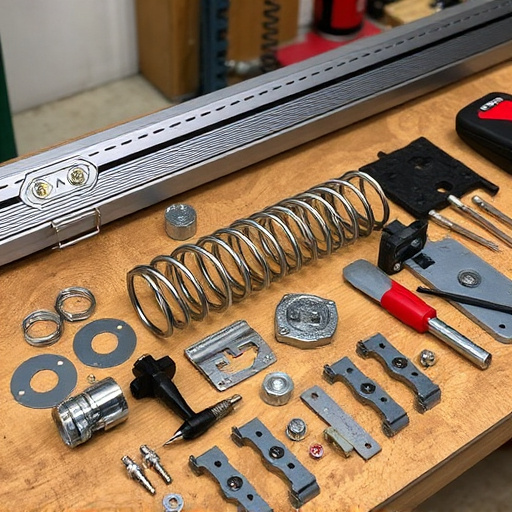
In the world of home maintenance, few tasks are as critical and complex as garage door repairs. Among the most vital aspects of this process is achieving the proper door balance after spring work. A balanced garage door not only enhances safety and functionality but also prevents costly damage and prolongs the life of your springs. This article provides expert advice on balancing your garage door following spring repairs, addressing common issues and offering practical steps to ensure your door operates smoothly and securely. By understanding the key factors in door balance after spring work, Tucson homeowners can make informed decisions and maintain a reliable, safe garage door system.
- Understanding Door Balance After Spring Repair
- Steps to Achieve Proper Door Balance
- Maintaining Long-Term Balance and Performance
Understanding Door Balance After Spring Repair
After a garage door spring repair, achieving the proper door balance is crucial. This balance ensures the door operates smoothly and safely, especially in the unique conditions presented by Tucson's desert heat. When a spring is replaced, whether it's an extension spring or a torsion spring (and whether you're dealing with a single or double spring setup), the door's weight distribution must be reassessed. The old spring may have been compromised by rust or corrosion, or simply worn out over time, affecting the door's balance.
A licensed Tucson garage door company recommends a multi-step process. First, inspect the door to determine if both springs need replacement, as a failing spring can cause uneven wear on its counterpart. Next, measure the door's weight to select the appropriate replacement springs, keeping in mind that heavier doors often require high-cycle springs for longer lifespans. After installing the new springs, check the door's balance again. This might involve adjusting the safety cables, which play a vital role in maintaining balance and preventing catastrophic failure. A two-car door may require longer safety cables to compensate for the added weight.
Proper lubrication of the springs and the door's moving parts is also essential. This reduces friction and wear, ensuring smoother operation. Finally, pay attention to any unusual noises post-repair. A "broken spring" sound, for example, could indicate a problem with the winding bars or cone and anchor plates. In such cases, a professional inspection is advised. Remember, while DIY repairs can save on costs, certain aspects, like door balance, are best left to experts to ensure safety, especially in a climate as demanding as Tucson's.
Steps to Achieve Proper Door Balance
Achieving proper door balance after spring work is a crucial step in ensuring your garage door operates smoothly and safely. While professional technicians from a family run Tucson garage door business can handle the intricacies, understanding the basics of door balance can help you assess the work and ensure the job is done right.
The first step involves understanding the difference between torsion and extension springs. Torsion springs, common in larger doors, are coiled and located above the door, while extension springs, found in lighter doors, run alongside the track. Balancing depends on the spring type, door weight, and the center bearing-a critical component that connects the spring to the door. A heavy door with torsion springs will require a precise balance to avoid excessive strain on the springs and potential failure. The center bearing's position and the chosen spring's wire gauge (measured in gauge numbers, with lower numbers indicating thicker, stronger springs) are key to achieving this balance.
Once the springs are replaced, balancing the door requires a systematic approach. Technicians will adjust the tension on both springs, a process that involves tightening or loosening the springs based on precise measurements. They'll also check the door's alignment and make adjustments to the hardware, ensuring the door hangs straight and level. In some cases, replacing extension springs may require installing safety cables, which further stabilize the door and prevent catastrophic failure.
After the springs are tightened and balanced, a test run is crucial. The door should open and close smoothly, with minimal effort. Any wobble, vibration, or uneven movement indicates an imbalance that needs addressing. Regular maintenance, including lubricating the springs and tracking for wear and tear, matters in maintaining door balance and extending spring life, even in the demanding Tucson heat. Remember, balancing a garage door is not a DIY project; the potential for injury and damage far outweighs any perceived savings. Always rely on a skilled professional to ensure your door is safe and properly balanced.
Maintaining Long-Term Balance and Performance

After a garage door spring repair, achieving and maintaining proper door balance is crucial for long-term performance. This involves not only replacing the spring but also ensuring the door's weight is evenly distributed and the system is aligned correctly. In Marana, where the climate's extreme heat can accelerate spring wear, a balanced door not only operates smoothly but also prevents excessive strain on other components, extending their lifespan.
The first step in door balance after spring work is understanding the type of springs used. Single vs. Double springs, high-cycle vs. Standard, and oil-tempered vs. Galvanized springs each have specific applications and benefits. A garage door company serving Tucson and Oro Valley recommends considering your door's weight and the local climate when making these choices. Double springs are often recommended for heavier doors to provide more stability, while high-cycle springs are designed for frequent use and can better withstand the harsh conditions in our area.
Next, focus on the door's balance points. The torsion tube, cone and anchor plates, and the door's track all play a role in maintaining alignment. After the spring repair, check these components for any signs of wear or misalignment. Professional services often include a thorough inspection and adjustment to ensure the door operates smoothly and stays balanced. If the torsion tube is bent or the plates are loose, these issues can affect the door's balance and lead to further problems.
Regular maintenance is key to preventing imbalances. Lubricating springs and regularly inspecting for wear and tear can significantly prolong their life. Homeowners should be aware of common issues like spring rust and corrosion, which can negatively impact performance and safety. For a two-car door, or even a single-door system, it's essential to address any imbalance promptly. A licensed technician from a local garage door repair service can provide expert advice tailored to your specific situation, ensuring your door remains balanced and safe for years to come.
Frequently Asked Questions About advice on balancing a garage door after a spring repair
What does balancing a garage door entail?
Balancing a garage door involves adjusting the door's weight distribution to ensure it closes smoothly and evenly. This typically involves checking and tightening door hinges, adjusting the tension on the springs, and making sure the door's weight is evenly centered. A balanced garage door operates efficiently, reduces strain on components, and enhances safety.
Why is it important to balance a garage door after a spring repair?
After a spring repair, balancing is crucial to prevent future issues. Spring repair addresses broken or weakened springs, but balancing ensures the door operates within the designed weight range. An unbalanced door exerts extra strain on the repaired springs, potentially leading to early failure, further repairs, and safety hazards.
How often should I check and balance my garage door?
While every garage door's needs vary, it's recommended to perform basic balancing checks at least once a year. Regular maintenance, including oiling hinges and checking for loose components, can also help maintain balance and prolong the life of your garage door and springs.
Can I balance a garage door myself?
For minor adjustments and balance checks, some homeowners may be able to tackle this task themselves. However, spring repair and most balancing procedures require specialized tools and knowledge. For best results and safety, it's generally recommended to hire a licensed Tucson garage door specialist, like Eddies Garage Door Service, to handle balancing after a spring repair.
What happens if I don't balance my garage door?
Ignoring garage door balancing can lead to several problems. An unbalanced door may:
- Operate unevenly or not close completely.
- Place excessive strain on the springs, leading to premature wear and failure.
- Increase noise levels.
- Create safety hazards, especially if the door is heavy and suddenly unbalances.
How much does garage door balancing cost?
Garage door balancing typically involves adjusting hardware and doesn't usually incur a separate cost. However, if a spring repair is also needed, the cost will vary based on the extent of the damage and the type of springs required. A licensed garage door technician will provide a detailed estimate before beginning any work.
After completing the crucial task of spring repair, ensuring proper door balance is essential for safe and efficient garage door operation. By understanding the dynamics of door balance after spring work, homeowners can ensure their garage doors function optimally. This involves selecting the right springs based on door weight, maintaining regular lubrication, and addressing any signs of wear or corrosion. Regular balance checks and adjustments are key to preventing costly repairs and ensuring the longevity of your garage door system. With these steps, Tucson homeowners can rest assured their garage doors are in safe hands, providing years of reliable service.
Achieving and maintaining proper door balance after a spring repair is vital for a garage door's long-term performance, safety, and smooth operation, especially in Tucson's hot climate. This involves understanding spring types, door weight, and balance points, and regularly inspecting and lubricating components. While DIY repairs save costs, door balance is best left to licensed professionals for safety and optimal results.