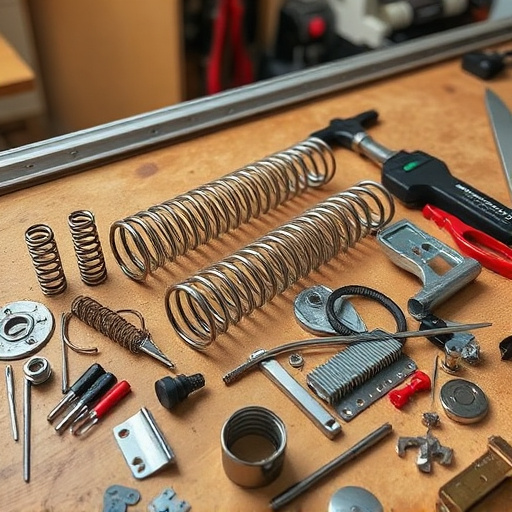
Tucson homeowners often face a critical decision when their garage door springs fail: repair or replace? Given the substantial cost and potential safety risks, understanding the process and costs of garage door spring repair and replacement is crucial. This guide is designed to empower you with the knowledge to make an informed choice, focusing on when to replace springs, the differences between torsion and extension springs, and the specific needs of wood doors. We'll also explore the potential dangers of DIY repairs and highlight the expertise of local professionals, like Eddies Garage Door Service, who can handle any spring-related issue, ensuring your garage door operates safely and smoothly.
- Understanding Garage Door Spring Issues
- Diagnosing and Repairing Springs for Wood Doors
- When to Replace Garage Door Springs
Understanding Garage Door Spring Issues
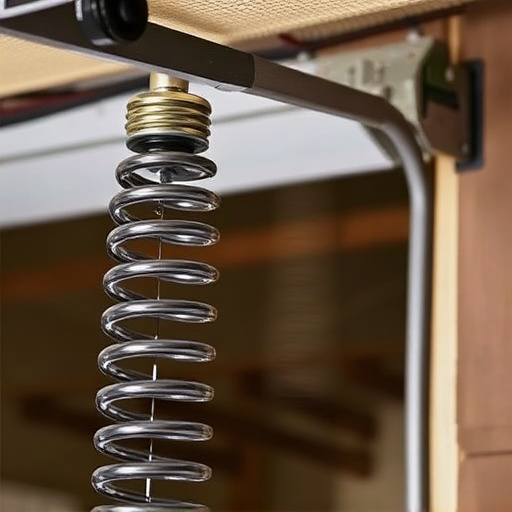
Understanding Garage Door Spring Issues in Tucson Homes
In the hot, arid climate of Tucson, garage door springs can be particularly susceptible to wear and tear. The two main types of springs-torsion and extension springs-serve critical roles in your door's operation, and their failure can lead to costly repairs or even safety hazards. A licensed Tucson garage door company like Eddies Garage Door Service advises homeowners to be on the lookout for common spring problems, as proactive maintenance can save time and money.
Torsion springs, often found in residential doors, are designed to maintain their shape under constant tension, providing balance and stability. Over time, however, the steel wire inside these springs can weaken from the intense heat and constant stress, leading to stretching or kinking. A spring that has extended beyond its designed length may be a sign of failure. On the other hand, extension springs, typically used on larger doors or those with multiple panels, stretch and contract to raise and lower the door. As these springs age, they can lose their elasticity, resulting in a rusty, weakened state. Springs for wood doors, in particular, require regular lubrication to prevent rust and corrosion, which can significantly reduce their lifespan.
When a spring fails, it often makes a loud, dramatic noise, indicating a serious problem. Homeowners should not attempt DIY repairs for spring issues, as incorrect handling or adjustment can lead to personal injury or further damage. If you hear a spring break or see your door wobble or sag, contact a local garage door repair service immediately. Experts like those at Eddies Garage Door Service can inspect the springs, replace them if necessary, and ensure your door is safe and balanced. Proper spring replacement involves not only installing new springs but also adjusting the tension and replacing worn parts, such as cone and anchor plates, to ensure optimal performance and longevity.
Diagnosing and Repairing Springs for Wood Doors
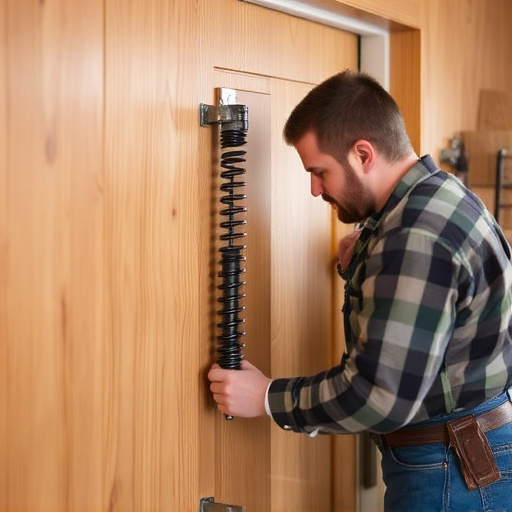
Diagnosing and repairing springs for wood doors is a specialized task that requires a deep understanding of both the mechanical and structural aspects of your garage door system. In Tucson, where homes often feature wood doors, ensuring the safety and functionality of these doors is paramount. A family run Tucson garage door business, like Eddies Garage Door Service, has the expertise to handle these repairs effectively.
The first step in repairing springs for wood doors is to identify the type of spring in use. There are two primary types: extension springs and torsion springs. Extension springs, common in wood doors, run vertically along the door's bottom track. They extend and contract to balance the door's weight. The inside diameter of these springs is a critical factor; a larger diameter indicates higher capacity to support heavier doors. If you hear a distinct "snap" or "pop" when the door is opened or closed, it could signal a problem with these springs.
Torsion springs, on the other hand, are found in overhead garage door systems and provide the primary lifting force. They operate in a vertical, coiled position above the door. While less common in wood doors, they can still be present in certain installations. Safety cables, a crucial component of both spring types, prevent catastrophic failure by limiting spring winding. A broken safety cable can cause a spring to coil tightly, leading to serious injury or door damage. Regular inspection of these cables is vital, as wear and tear can compromise their integrity.
When diagnosing a spring issue, consider the age and condition of the spring. Springs for wood doors, exposed to the elements and constant use, can deteriorate over time. The Vail, a high-cycle spring designed for heavy-duty applications, may show signs of fatigue or corrosion, requiring replacement. Lubrication can extend the life of both extension and torsion springs, but it's not a permanent solution. For a durable fix, it's often best to replace the springs entirely, ensuring the door continues to operate safely and smoothly.
When to Replace Garage Door Springs
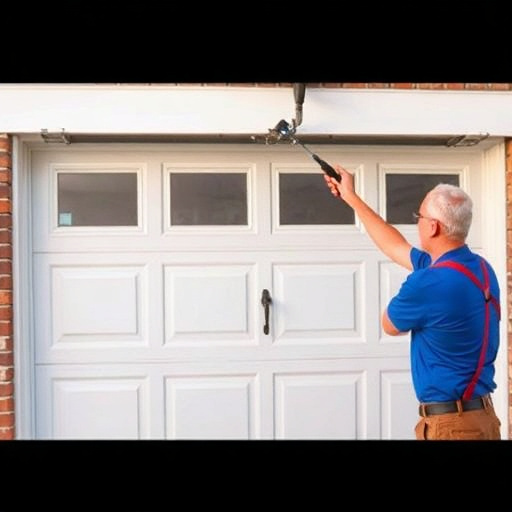
Garage door springs are a critical safety component, and knowing when to replace them is crucial for Tucson homeowners. While many springs last 5,000 to 10,000 cycles, factors like door weight, spring length, and the local climate can significantly impact their lifespan. In Tucson's hot, dry environment, springs can experience accelerated wear, especially on heavy wooden doors.
A common sign that a spring is failing is a distinct change in the door's balance and performance. If your door is difficult to open or close, or if it tilts to one side, it might be due to a weakened spring. Another indicator is a loud snapping or popping noise during operation, which could signal a damaged spring or improper tension. When deciding whether to replace a spring, consider its cycle rating-a measure of its expected lifespan-and compare it to the actual number of cycles the spring has endured. Springs designed for high-cycle applications, for example, are better suited for doors with higher weight or frequent use.
A local Tucson garage door technician recommends regular inspections to prevent unexpected failures. During these checks, look for signs of rust or corrosion, especially in areas with high humidity or frequent exposure to the elements. Checking the condition of safety cables and cone and anchor plates, which support the spring, is essential. If you're considering a DIY repair, remember that springs can be dangerous. Improper handling can lead to injuries, so always consult a professional, especially for heavy doors or high-cycle springs. A licensed garage door company can provide expert advice tailored to your door's specific needs, ensuring both safety and longevity.
Frequently Asked Questions About a guide for Tucson homeowners on garage door spring repair and replacement
What are the signs that I need to repair or replace my garage door spring?
If you notice your garage door is difficult to open or close, makes unusual noises, or shows signs of wear like stretches or bends, these are red flags. Uneven door movement, excessive vibration, or a noticeable dip in the door's panel can also indicate a damaged spring. A licensed professional like Eddies Garage Door Service in Tucson should inspect your door to diagnose the problem and recommend repairs or a replacement.
How do I know if I can do a garage door spring replacement myself or if I need a professional?
While some homeowners may be capable of replacing a garage door spring, it's often a complex task requiring specialized tools and knowledge. If your spring is broken or severely corroded, if you lack experience with mechanical repairs, or if your door is heavy, it's best to call a professional like Eddies Garage Door Service. They have the expertise and equipment to complete the job safely and effectively.
How much does a garage door spring repair or replacement cost in Tucson?
The cost of a garage door spring repair or replacement in Tucson varies based on several factors, including the type of spring, your door's size and weight, and whether you opt for a standard or high-end spring. Most installations range from $150 to $400, with the average being around $250. Eddies Garage Door Service provides transparent pricing and free estimates.
What types of garage door springs are available?
Garage door springs come in two main types: extension springs and torsion springs. Extension springs are common in older doors and are typically made of steel wire. Torsion springs, more durable and safer, are used in most modern doors. A Tucson garage door specialist like Eddies can help you choose the right spring for your door.
How often do garage door springs need to be replaced?
The lifespan of a garage door spring varies depending on several factors, including usage frequency, weight of the door, and environmental conditions. On average, garage door springs last 5,000 to 10,000 cycles, which equates to roughly 7 to 14 years. Regular maintenance, such as lubricating the springs, can extend their life.
Is it safe to use a garage door without a spring?
Absolutely not. A garage door spring plays a crucial role in the door's safety and functionality. Without a spring, the door will be extremely heavy and difficult to operate, posing a significant safety risk. Never attempt to use a garage door without a functioning spring. Always rely on a qualified professional to install or repair it.
Tucson homeowners now have a comprehensive understanding of garage door spring issues, from diagnosing problems in springs for wood doors to knowing when to replace them. The article highlighted the importance of professional assessment for complex cases, emphasizing the risks associated with DIY repairs, especially for heavy doors. Key takeaways include recognizing the signs of a failing spring, such as a distinct broken spring sound, and understanding the role of spring sizing in door weight support. The value of regular maintenance and lubricating springs was emphasized to extend their lifespan. When spring replacement becomes necessary, homeowners can make informed decisions by comparing local spring repair costs and understanding the benefits of high-cycle springs. These insights empower Tucson residents to maintain their garage doors safely and effectively, ensuring smooth, secure operation for years to come.
Tucson's harsh climate can accelerate garage door spring wear, affecting wood doors in particular. Springs, critical for safety and door balance, fail when weakened, often making loud noises. Extension and torsion springs require regular inspection, with replacement advised based on cycle rating and door weight. DIY repairs are risky, especially for heavy doors; consult a licensed local garage door service for expert, tailored solutions.