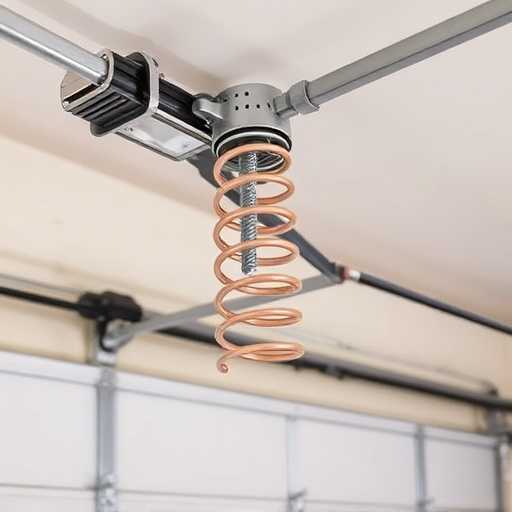
Broken garage door springs are a common yet dangerous issue that Tucson homeowners often face. With springs bearing the brunt of your door's weight and operation, their failure can lead to costly repairs or even worse, personal injury. Understanding the risks associated with broken springs is crucial for homeowners and the professionals they call. This article examines the safety concerns surrounding spring repairs, emphasizing the importance of professional handling. We'll explore why both torsion and extension springs require attention, the signs of failure, and the impact of local climate conditions on spring life, providing valuable insights for Tucson residents to navigate this common garage door problem safely.
- Understanding the Risks: Broken Spring Hazards
- The Science Behind Spring Cycle Ratings
- Safe Handling: A Step-by-Step Guide for Professionals
Understanding the Risks: Broken Spring Hazards

Broken garage door springs pose significant hazards that often go overlooked. Springs, especially extension springs, are under immense tension, storing energy that must be released safely during a door's operation. A broken spring, however, can cause that stored energy to be suddenly unleashed, resulting in dangerous situations. A snapped extension spring could launch a panel into the air, potentially causing severe injuries.
The risks are not limited to physical harm. The force of a failed spring can also lead to damage of the door itself, including bent panels, stretched cables, and misaligned tracks. Springs that have worn out or are poorly maintained can lead to unbalanced doors, making them difficult to operate and potentially unsafe, especially for heavy doors where the spring must support significant weight. When a spring fails, it's crucial to understand the spring cycle ratings, which indicate a spring's expected lifespan and performance under various stress conditions. High-cycle springs, designed for frequent use, can fail prematurely if not properly maintained, leading to costly repairs or replacement.
Handling broken springs requires expertise. DIY repairs can be tempting, but they are highly dangerous, especially for extension spring replacements. The center bearing, a critical component, can be easily damaged, leading to further complications. A family run Tucson garage door business recommends leaving spring repairs to professionals who are equipped with the necessary safety gear and training. They can assess the door's weight, select the right spring size, and ensure proper installation, including the use of safety cables and spring winding bars, to prevent future failures. Regular maintenance, including lubricating the spring and checking for rust or corrosion, can significantly extend the life of your springs and minimize the risk of unexpected failures.
The Science Behind Spring Cycle Ratings

When dealing with broken garage door springs, understanding the science behind spring cycle ratings is crucial for safety. Spring cycle ratings measure the lifespan and performance of a spring under repeated use. This metric is critical because garage door springs, especially in hotter climates like Tucson, experience a high cycle rate due to frequent opening and closing. The higher the cycle rating, the more a spring has been tested for durability under stress, heat, and constant use.
Consider the difference between a spring designed for a residential door in Vail and one for a heavy commercial door. A typical residential spring might have a cycle rating of 10,000 cycles, while a commercial spring could be rated for 20,000 or more. This distinction is vital because it reflects the spring's ability to withstand the demands of different applications. In hotter environments like Tucson, where door openings can be more frequent due to climate control, springs with higher cycle ratings are essential to prevent premature failure.
Galvanized and oil-tempered springs are two common types, each with its advantages. Galvanized springs, coated in zinc, offer excellent corrosion resistance, making them suitable for outdoor use in Tucson's arid climate. However, they may not be as flexible as oil-tempered springs, which are heat-treated for enhanced strength and elasticity. A licensed Tucson garage door company often recommends oil-tempered springs for heavy doors or environments prone to temperature fluctuations.
Understanding spring cycle ratings allows homeowners and professionals to make informed decisions. Regular spring maintenance, including lubricating the coils to reduce friction, can extend the life of even high-cycle springs. However, when a spring breaks, it's critical to replace both springs simultaneously to maintain balance and safety. A single new spring against an old one can lead to uneven door positioning, affecting balance and potentially causing further damage. Always consult with a local garage door repair service for expert advice tailored to your door's specific needs and climate.
Safe Handling: A Step-by-Step Guide for Professionals

Broken garage door springs are not just a source of inconvenience; they represent a serious safety hazard that requires professional handling. When a spring breaks, the force released can easily injure or even kill a person. The potential for catastrophic failure increases when dealing with high-cycle springs, which are designed for heavy-use doors, or oil-tempered springs, which can be more prone to sudden failure. At Eddies Garage Door Service, we see firsthand the risks involved in spring repair and replacement.
Professionals like us follow strict safety protocols when dealing with broken springs. These protocols involve using specialized tools, such as spring winding bars and safety cables, to safely remove and replace springs. Safety cables are crucial for preventing the spring from snapping back during the repair process. We also take precautions to ensure the door balance is adjusted correctly after spring work, as imbalanced doors can pose new safety risks. When a spring fails, the sound it makes is a clear indication that something is amiss, signaling the need for immediate professional attention.
Spring cycle ratings are a critical factor in determining the lifespan of a spring. The higher the cycle rating, indicating the number of times a spring is stretched and compressed, the more durable it is. Understanding these ratings is essential for both professionals and Tucson homeowners. In many cases, both extension and torsion springs need to be replaced simultaneously. This is because they work in tandem to support the door, and a failure in one can compromise the other. The cost of garage door spring replacement in Tucson varies based on the type of spring, door weight, and the complexity of the repair. However, it's never recommended to attempt these repairs yourself, as the risks far outweigh any potential savings.
Proper spring sizing, lubricating, and regular maintenance can extend the life of your garage door springs. But when a spring breaks, it's time to call in the professionals. At Eddies Garage Door Service, we offer free estimates and prioritize safety above all else. Our licensed technicians are equipped to handle any spring-related issue, ensuring your garage door functions safely and smoothly.
Frequently Asked Questions About safety advice on why broken springs are dangerous to handle
What makes broken garage door springs so dangerous?
Broken garage door springs are incredibly dangerous because they are under extreme tension, storing vast amounts of potential energy. Even a slight touch or mishandling can cause a violent snap, leading to serious injury or property damage. They are designed to open and close your door with minimal effort, but when weakened or broken, they become unpredictable and hazardous.
Why can't I just turn off the power to avoid injury?
Turning off the power to your garage door only stops the motor from operating. The springs themselves remain under pressure, and the door could still crash down if released. It's crucial to isolate the springs entirely, often requiring professional tools and expertise to do safely.
How do I know if a spring is broken?
There are several signs of a broken spring, including:
- A loud, sudden noise when the door opens or closes.
- The door appearing to stick or lag when opening or closing.
- One side of the door being lower than the other.
- Cracks or deformations in the spring.
- A spring that appears visibly broken or fractured.
What should I do if I think I have a broken spring?
If you suspect a broken spring, don't attempt to fix it yourself. Contact a licensed, experienced garage door technician immediately. They have the training, tools, and safety equipment to handle broken springs properly and prevent serious injury.
How much does it cost to replace a broken spring?
The cost of replacing a broken spring varies depending on the size and type of spring, as well as the overall complexity of the repair. Most installations take one to two days and range from $150 to $300 or more, not including labor. It's crucial to consult with a qualified professional for an accurate estimate.
Are there any DIY tips for handling broken springs?
Absolutely not. Broken springs are extremely dangerous and should only be handled by a professional. Attempting to fix or adjust them yourself can lead to serious injury or damage to your property. Always rely on a licensed technician.
Broken garage door springs pose significant risks due to their immense strength and potential for sudden failure. Understanding the science behind spring cycle ratings is crucial for both homeowners and professionals. These ratings indicate the number of times a spring can be safely stretched and compressed over its lifespan, reflecting the spring's quality and durability. By following safe handling practices and a step-by-step guide, trained technicians can mitigate these hazards. The next time you encounter a broken spring, remember: professional expertise and proper safety protocols are essential to prevent injuries and ensure the work is done correctly. This knowledge empowers both residents and service providers to navigate these situations with confidence, prioritizing safety above all.
Broken Garage Door Springs: Safety Hazards and Solutions
Broken garage door springs pose significant risks, including sudden energy release, door and spring damage, unbalanced doors, and potential injuries. Spring cycle ratings indicate lifespan and performance, with higher ratings for heavy-use doors in hot climates like Tucson. Galvanized and oil-tempered springs have different advantages. Professional handling is crucial for safety when springs break. At Eddies Garage Door Service, we follow strict protocols, use specialized tools, and prioritize door balance. Spring cycle ratings, proper sizing, lubrication, and regular maintenance extend spring life. Never attempt DIY repairs; call professionals for safe, reliable garage door spring solutions.