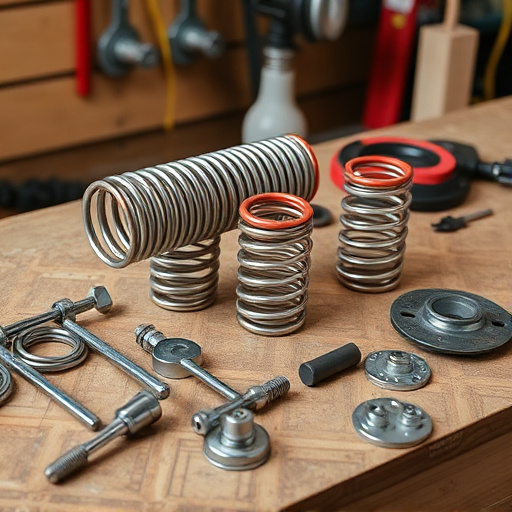
Choosing the right garage door springs is crucial for safe, reliable operation-especially in a city like Tucson, where daily use can put significant strain on these components. The problem arises when homeowners attempt to select springs based solely on cost, ignoring critical factors like spring cycle ratings and material quality. This can lead to frequent failures, costly repairs, and even safety hazards. Our guide provides a comprehensive approach to selecting high-cycle springs designed for heavy daily use, ensuring longevity, performance, and peace of mind. We'll explore the nuances of torsion vs. Extension springs, the importance of spring sizing by door weight, and the signs of a failing spring, empowering you to make informed decisions.
- Understanding Spring Cycle Ratings
- Factors Affecting Spring Choice
- Selecting High-Cycle Springs for Longevity
Understanding Spring Cycle Ratings

Choosing the right garage door spring for heavy daily use involves understanding more than just weight capacity. Spring cycle ratings are a crucial factor that determines a spring's longevity and performance. These ratings, which range from 1 to 3, indicate the number of cycles a spring can withstand before showing significant wear. A cycle rating of 3 means the spring is designed to last through approximately 10,000 extensions and retractions-a key differentiator when considering the average garage door use of 1,000 to 2,000 cycles per year.
In a city like Tucson, where temperatures can soar, springs with higher cycle ratings are often recommended. The intense heat can accelerate spring fatigue, making a higher cycle rating a wise investment for long-term reliability. Oil-tempered springs, for example, are known for their superior strength and resistance to heat-related damage compared to galvanized springs. When comparing spring options, keep in mind that a higher cycle rating doesn't necessarily mean a spring will last twice as long, but it does offer a significant margin of safety.
A family run Tucson garage door business often emphasizes the importance of spring cycle ratings to homeowners. They advise clients to look for springs with ratings that match or exceed the expected use of their garage door. For a typical two-car garage door in Tucson, a 3-cycle spring could be an appropriate choice. However, for a door that opens and closes frequently due to a home office or a busy family schedule, a 2-cycle spring might be more suitable. Understanding and prioritizing these ratings ensures a safe, efficient, and long-lasting garage door system, saving you from costly repairs in the long run.
Factors Affecting Spring Choice
When selecting high cycle springs for heavy daily use, several factors come into play, each influencing the longevity and performance of your garage door system. In the arid climate of Tucson and Oro Valley, understanding these factors is crucial for ensuring your door operates smoothly and safely. The primary consideration is your door's weight and the corresponding spring tension required. Heavier doors necessitate stiffer springs, which subject them to higher stress, leading to faster wear and tear. Spring cycle ratings, reflecting the number of cycles a spring can endure before failure, are essential. Higher cycle ratings denote greater durability, particularly in regions with extreme temperatures like ours.
Another critical aspect is the choice between torsion and extension springs. Torsion springs, common in larger doors, offer greater lifting power and are less affected by environmental factors. Extension springs, on the other hand, are more susceptible to corrosion and are typically used for smaller, residential doors. Given our hot, dry summers, spring rust and corrosion can be a persistent issue, making corrosion-resistant materials, such as oil-tempered springs, a prudent investment.
Spring length is also significant. A longer spring may be required for a two-car door to handle the increased weight. Vail, a renowned garage door manufacturer, offers guidance on spring sizing based on door weight, ensuring optimal performance and safety. Consider the door's balance after spring work. A local Tucson garage door technician recommends periodic adjustments to maintain balance, preventing excessive stress on any single spring. Lastly, spring warranties vary, offering peace of mind and potential savings down the line.
Selecting High-Cycle Springs for Longevity
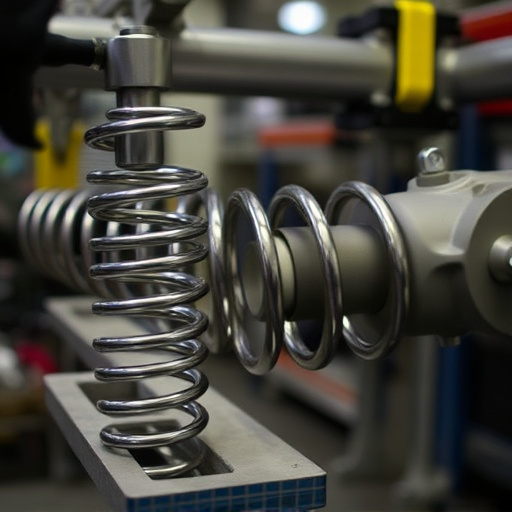
Choosing the right garage door springs is crucial for safety, door performance, and longevity, especially for heavy use in areas like Marana and Oro Valley. For longevity, high-cycle springs stand out. These springs are designed to withstand repeated cycling, crucial for doors that open and close frequently, like those in commercial properties or homes with attached garages.
High-cycle springs are characterized by their spring cycle ratings, indicating the number of times they can be wound and unwound while maintaining their strength. Unlike standard springs, which might be suitable for light use, high-cycle springs are built to handle significantly more cycles without failing. This increased durability directly translates to longer service life. A spring rated for 10,000 cycles can last nearly 5 times longer than a standard spring under the same conditions.
When selecting high-cycle springs, consider the door's weight, as this directly impacts the required spring strength. An experienced Tucson garage door installer recommends matching the spring to the door's weight to ensure safety and optimal performance. For heavier doors, stronger springs with higher cycle ratings are essential. A 2-car garage door in Marana with a total weight of 500 pounds might require springs rated for 15,000 cycles or more to maintain safe operation and prevent premature failure. In Oro Valley, where residential garage doors often serve as heavy daily users, choosing the appropriate high-cycle spring can significantly extend the life of your door's operating system.
Regular maintenance and inspections can further prolong the life of high-cycle springs. Lubricating the springs and checking for signs of wear, such as rust or corrosion, are essential preventive measures. By understanding spring cycle ratings and selecting springs tailored to your door's specific needs, you can ensure your garage door in Tucson remains reliable and safe for many years to come.
Frequently Asked Questions About a guide to choosing high cycle springs for heavy daily use
What are high cycle springs? High cycle springs, also known as heavy-duty springs, are designed to withstand repeated loading and unloading cycles, often many thousands of times. They are characterized by their ability to return to their original shape after significant deformation, making them ideal for applications involving frequent movement, such as garage doors, industrial machinery, and heavy-use automotive components.
Why do I need high cycle springs for heavy daily use? In situations where a door, mechanism, or machine experiences significant stress due to frequent opening and closing, standard springs may fatigue and fail over time. High cycle springs are built to endure these conditions, ensuring longer service life, improved performance, and increased safety by preventing unexpected failures.
How do I determine the appropriate spring rating for my application? Spring rating, often measured in pounds (lbs) or Newtons (N), indicates the spring's strength and capacity. To choose the right rating, consider the weight of the object the spring supports (e.g., a garage door) and the number of cycles it needs to operate under. A local garage door service, like Eddies Garage Door Service, can provide expert advice tailored to your specific needs.
Can high cycle springs be installed by a DIYer? While some high cycle spring installations may be feasible for DIYers with basic mechanical skills, many heavy-duty spring installations require specialized tools and knowledge. Improper installation can be dangerous and may void warranties. For best results and safety, it's often recommended to hire a licensed professional, such as a Tucson garage door technician, for heavy-duty spring replacements.
What factors should I consider when choosing between different spring manufacturers? When selecting a high cycle spring manufacturer, consider their reputation, warranty offerings, and spring material quality. Established brands often provide detailed specifications and testing data, ensuring compliance with industry standards. Consult with your service provider; they may have recommendations based on their experience and the specific demands of your location.
How often should I replace my high cycle springs? The lifespan of high cycle springs depends on various factors, including the application's stress level and the spring's quality. Most installations last 5,000 to 10,000 cycles, but regular maintenance and inspections can extend their life. For commercial or heavy-use applications, biannual or annual spring checks are recommended to ensure safety and optimal performance.
Choosing the right springs for your garage door is crucial, especially in Tucson's climate, where high cycle ratings and durable materials are essential for longevity. By understanding spring cycle ratings and the factors that influence spring choice, you can make an informed decision. Opting for high-cycle springs ensures your door operates smoothly and safely, withstands daily use, and minimizes the risk of sudden failures. This guide has provided practical insights into selecting springs that align with your door's weight and usage, emphasizing the importance of quality over cost. Next steps include consulting with a licensed local garage door service, such as Eddies Garage Door Service, for professional advice tailored to your specific door and needs. This expert guidance will help you navigate the options, ensuring a secure and reliable solution for your heavy-use door.
Choosing the right high-cycle springs for heavy daily use in Tucson involves considering spring cycle ratings (1-3, indicating durability), door weight, and environmental factors like heat. Higher cycle ratings, like 3, offer significant longevity for intense use (10,000+ cycles). Oil-tempered springs resist heat damage. Match spring strength to door weight for safety and performance. Regular maintenance extends spring life. Prioritizing these factors ensures a reliable, long-lasting garage door system.