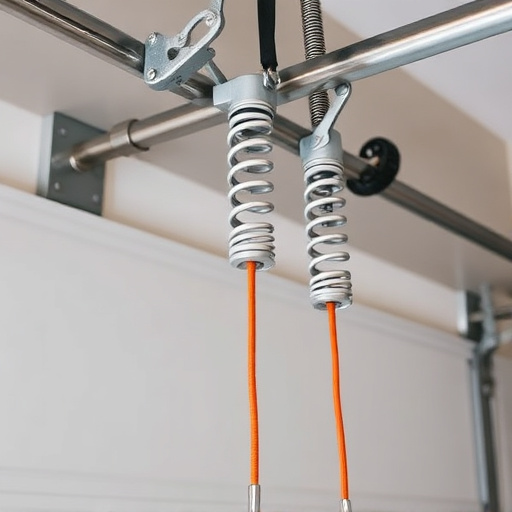
In the bustling homes of Tucson, garage door springs are often overlooked until they fail. A broken spring can leave your door stuck or worse, leading to property damage and safety hazards. Understanding spring repair and replacement costs is crucial for Tucson homeowners. The complexity of options, from torsion vs. Extension springs, single vs. Double springs, and the impact of spring rust and corrosion, can be overwhelming. This article provides a comprehensive checklist for comparing garage door spring estimates, empowering you to make informed decisions about a service that is both vital and expensive. We'll guide you through the process, from identifying signs a spring is failing to understanding spring cycle ratings, ensuring your investment in a functional and safe garage door.
- Assessing Spring Condition: Rust & Corrosion
- Comparing Estimate Components: Detailed Breakdown
- Choosing a Reputable Garage Door Service
Assessing Spring Condition: Rust & Corrosion

When comparing garage door spring estimates, assessing the condition of the springs is crucial. Spring rust and corrosion can significantly impact the lifespan and performance of your garage door system. In Oro Valley, where the climate can be harsh, it's important to understand the signs of worn-out springs, as these can lead to safety hazards and costly repairs.
One of the first things a local Tucson garage door technician will do is inspect the springs for signs of rust and corrosion. Look for springs that are discolored, especially in shades of orange or red, indicating oxidation. These spots of rust can weaken the spring's structure, making it more prone to failure. Check for any pitting or flaking on the spring's surface. Over time, springs can become brittle due to corrosion, which can be a serious concern, especially for heavier doors. In Oro Valley, where winding cones are a common sight, it's essential to consider the door weight when assessing spring condition. Heavier doors require stronger springs, and worn-out springs may struggle to support their weight, leading to potential safety issues.
Spring rust and corrosion can be accelerated by several factors. High cycle springs, for instance, which are commonly used in areas with frequent door operations, are more susceptible to wear and tear. DIY spring repair attempts can also contribute to corrosion if not done properly. Professional technicians understand the importance of using the right tools, such as spring winding bars, and applying lubricants to minimize contact with the spring, preventing accelerated rusting. Remember, when a spring breaks, it's often due to a combination of factors, including age, rust, and overuse. A skilled technician will take these factors into account when providing an estimate and may recommend replacing both springs, even if only one shows signs of failure, to ensure optimal safety and performance.
Comparing Estimate Components: Detailed Breakdown

When comparing garage door spring estimates, breaking down the components is crucial. Each estimate should include a detailed list of services, parts, and labor costs. Pay close attention to the types of springs quoted, as both torsion springs and extension springs have unique characteristics. Extension springs, common in many residential doors, are typically less expensive to replace than torsion springs, which are more robust and often found in heavier doors.
An experienced Tucson garage door installer will consider the door's weight, size, and the local climate, especially the desert heat, when recommending springs. The environment can accelerate spring wear and tear. Spring rust and corrosion are significant concerns, particularly in our arid conditions, as they can weaken springs and necessitate premature replacements. The estimator should specify if the quote includes spring rust prevention measures, such as protective coatings or anti-corrosion treatments.
Another critical aspect is the labor cost. Compare the number of service calls and the time required for the repair. A two-car door with two springs may take longer to service than a single-car door with one spring. The estimate should clearly outline these factors. Ask about the warranty on both the springs and the labor. A comprehensive warranty is essential to ensure peace of mind and future savings.
Lastly, scrutinize the estimated cost per square foot. This metric, available from various cost per square foot databases, can help validate the estimate's accuracy. Remember, a low initial quote may not account for the true cost of materials, labor, and potential hidden issues, such as torsion tube problems or spring cycle ratings. Compare estimates from multiple providers to ensure you're getting a fair and comprehensive service.
Choosing a Reputable Garage Door Service
When comparing garage door spring estimates, one of the most critical aspects to scrutinize is the reputation of the service provider. Choosing a reputable garage door service can mean the difference between a job well done and a potentially dangerous or subpar repair. Look for companies that are licensed, bonded, and insured-like Eddies Garage Door Service in Vail-as these are strong indicators of professionalism and accountability.
Reputable services will also have a clear understanding of your local building codes and regulations, ensuring the springs they install meet your area's safety standards. They should be able to provide detailed information about the materials they use, such as oil-tempered versus galvanized springs, and why one might be preferable over the other based on your specific door weight and climate. In hotter climates like ours, springs with a higher cycle rating (1-3) might be recommended to withstand the wear and tear of more frequent use.
A quality service will discuss the signs of spring wear and tear, including rust and corrosion, and explain how these factors affect the spring's lifespan and safety. They should also offer insights into spring sizing and the types of springs best suited for different door weights, whether your door is single or double, and whether it's made of wood or insulated materials. Remember, a spring's inside diameter is a crucial specification to consider when ensuring proper fit and functionality.
In the event of a broken spring, a reputable service will provide clear guidance on the repair process, including steps for ensuring door balance after the work is done and options for spring conversion kits. They should also discuss the importance of safety cables and anchor plates, like cone and anchor plates, in preventing accidents during service or repair. Always ask about warranties and estimates that break down the costs for each service step to ensure you're getting a transparent and fair deal.
Frequently Asked Questions About a checklist for comparing garage door spring estimates
What is the typical cost for garage door spring replacement?
Garage door spring replacement costs can vary based on the type of spring, size, and the complexity of the job. In Oro Valley, a licensed roofer typically charges between $150 and $350 for spring replacement, not including labor. Springs can range from $20 to $100 each, depending on the material and size. Most installations take one to two days, including the time to order the necessary parts.
How can I ensure I'm getting a fair estimate?
Get multiple estimates from different licensed Oro Valley roofers. Compare not only the bottom line but also the scope of work, warranties, and materials used. Ask for references and check online reviews. Be wary of lowball estimates; they might indicate subpar materials or an incomplete job.
What factors should I consider when comparing estimates?
When comparing estimates, consider the following: the contractor's experience and specialization, their licensing and insurance, the warranty on parts and labor, the estimated time for completion, and the materials used. Ensure the estimate includes all costs, including travel, and any additional fees for special circumstances.
Are there any red flags I should look out for?
Red flags include estimates that are significantly lower than others, lack of detail or transparency in the estimate, pressure to make an immediate decision, and a reluctance to provide references or a written warranty. Always trust your gut; if something feels off, it probably is.
What should I do if I'm unsure about an estimate?
Don't hesitate to ask the contractor for clarification on any part of the estimate. If you're still unsure, get a second opinion from another licensed roofer in Oro Valley. It's crucial to understand what you're paying for and why.
How often should I replace my garage door springs?
Garage door springs typically last between 7,000 and 10,000 cycles, or about 7 to 10 years. However, this can vary depending on factors like usage frequency, weather conditions, and quality of installation. Regular maintenance, including lubricating the springs and checking for wear, can extend their lifespan.
Can I replace the springs myself?
While some homeowners might feel comfortable performing basic repairs, replacing garage door springs is a specialized task best left to a licensed professional. Springs are under extreme tension and can snap, causing serious injury. A professional roofer in Oro Valley has the tools, training, and experience to complete the job safely and correctly.
Understanding the factors that drive garage door spring replacement costs is crucial for any Tucson homeowner. By assessing the condition of your springs, comparing estimate components, and choosing a reputable service, you can make informed decisions and avoid costly mistakes. Remember, the presence of spring rust and corrosion can significantly impact the life and performance of your garage door springs, so regular inspections are key.
When comparing estimates, look beyond the bottom line. Break down the costs to understand what's included in each service. Verify the type and quality of springs used, and ensure the contractor follows local building codes and safety standards. Consider the reputation of the company, licensed by the Arizona Department of Consumer Protection, and with a proven track record.
By following these guidelines, you'll be well-equipped to navigate the process of spring replacement, ensuring a safe and reliable garage door system for your Oro Valley home.
When comparing garage door spring estimates in Oro Valley, assess spring rust and corrosion, considering the local climate's impact. Inspect springs for discoloration and pitting; heavier doors may require stronger springs. Spring rust and DIY repairs can accelerate degradation. Compare estimates for both torsion and extension springs, noting labor, materials, and warranties. Choose licensed, bonded services understanding building codes, spring types, and safety measures. Ask about spring sizing, safety cables, and post-repair door balance.