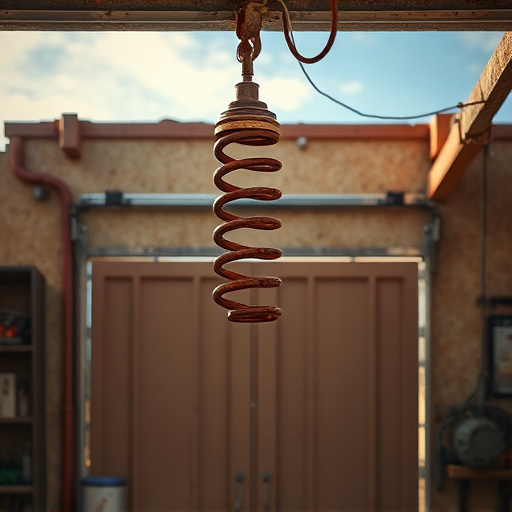
In the scorching desert climate of Tucson, garage door springs face unique challenges. The brutal heat and relentless dust can significantly shorten spring life, leading to costly replacements. Understanding this issue is crucial for Tucson homeowners, as a failing spring can leave your door stuck or poorly balanced, posing safety risks. This article examines the factors behind spring degradation, how heat and dust accelerate wear, and offers insights into the process and costs of spring repairs, including an estimate of how long spring repair takes, to help you make informed decisions for your garage door's longevity.
- Desert Heat Stress: Impact on Spring Lifespan
- Dust Accumulation: Accelerating Spring Deterioration
- Prolonged Spring Repair: Mitigating Desert Conditions
Desert Heat Stress: Impact on Spring Lifespan
The harsh desert climate in Tucson presents unique challenges for garage door springs, significantly impacting their lifespan. Heat stress, characterized by intense sunlight and high temperatures, accelerates metal fatigue and corrosion, leading to premature spring failure. The prevalent dust in the region can contribute to rust and wear, further shortening spring life. Understanding these factors is crucial for Tucson homeowners and an experienced Tucson garage door installer to make informed decisions regarding spring maintenance and replacement.
When exposed to the intense desert heat, springs tend to lose their strength and flexibility over time. This is particularly evident in torsion springs, which are more susceptible to heat-induced damage. The heat can cause the spring wire to become brittle, making it prone to breaking or failing under normal stress levels. A double spring installed on a heavy door might last 5-7 years in a cooler climate but could be reduced to 3-5 years in Tucson's heat. Maintaining regular spring inspections is vital to identify any signs of heat-related damage early on, allowing for timely repairs or replacements.
Dust is another formidable enemy of garage door springs. The constant movement of the door and the friction generated can cause dust to accumulate on the springs, leading to rust and corrosion. Over time, this wear and tear can weaken the springs, making them more susceptible to failure. An additional challenge is that dust can insulate the springs, trapping heat and further exacerbating the effects of desert heat stress. As a result, Tucson homeowners may find themselves dealing with spring replacements more frequently than their counterparts in other climates.
To mitigate the impact of heat and dust, Tucson homeowners can take proactive steps. Regular cleaning of the door and springs to remove dust buildup is essential. Applying a suitable lubricant designed for garage door springs can help reduce friction and protect against rust. However, for severe cases or when a spring is showing signs of failure, it's best to consult a local garage door specialist who can assess the condition of the springs and recommend the most appropriate course of action. Given the unique challenges posed by the desert environment, homeowners should be prepared for more frequent spring repairs or replacements, potentially extending the need for two-car door spring repair or single door spring repair services.
Dust Accumulation: Accelerating Spring Deterioration
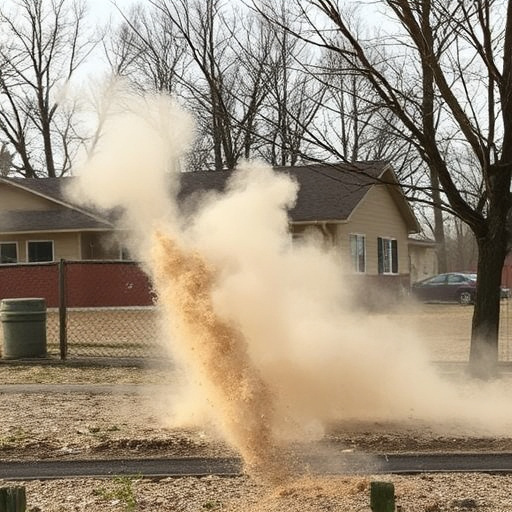
Desert heat and dust play a significant role in shortening spring life, particularly in a region like Oro Valley where conditions can be harsh. One of the primary culprits is dust accumulation, which accelerates spring deterioration, especially in torsion springs. Understanding this process is crucial for homeowners and commercial property managers alike.
Torsion springs, commonly used in garage doors, are designed to withstand immense pressure and cycles. However, dust and dirt can infiltrate the winding cones, leading to increased friction and wear. Over time, this wears down the spring's wire, reducing its strength and efficiency. The difference between torsion and extension springs is that torsion springs rotate to store energy, while extension springs straighten out to lift a door. Both types are susceptible to dust-related damage, though the consequences for torsion springs can be more severe due to their intricate, tightly coiled design.
The impact of dust buildup becomes evident when a spring starts to lose its tension, resulting in a door that doesn't open or close smoothly. This is a clear sign that a spring replacement might be necessary. At Eddies Garage Door Service, we often see the effects of desert conditions on springs, especially in older homes. Maintaining regular spring inspections is vital to prevent unexpected failures. While some minor issues may be addressed by DIYers, complex spring repair, including cleaning and lubricating winding cones, is best left to professionals. Given the delicate nature of these components, a professional assessment can help determine the extent of the problem and the best course of action. How long spring repair takes depends on the severity of the issue, but prompt attention can often prevent costly and inconvenient breakdowns.
Regular cleaning and lubrication, especially in dusty environments, can extend spring life. Homeowners can take preventive measures by keeping their garage doors clean and considering spring protection devices designed to shield against dust and debris. By addressing these factors, homeowners can mitigate the effects of desert heat and dust on their garage door springs, ensuring smoother operation and longer spring lifespan.
Prolonged Spring Repair: Mitigating Desert Conditions
The desert climate presents unique challenges for garage door springs, significantly impacting their lifespan. Prolonged exposure to high temperatures and constant dust exposure can cause springs to weaken and fail faster than in other environments. In Tucson, where heat extremes are common, understanding how these conditions affect springs is crucial for proactive maintenance.
One of the primary factors is the effect of heat on metal. High temperatures can cause springs to expand, leading to premature wear. The intense UV radiation in the desert environment accelerates rust and corrosion, especially on galvanized springs. These factors contribute to a reduced spring life, often leading to failure in as little as half the typical lifespan. A spring designed for a 10,000 cycle life in a cooler climate might only last 5,000 cycles in the desert. This means that in areas like Oro Valley, where the climate is particularly arid, garage door springs need to be treated with extra care.
When considering spring repairs, Tucson homeowners should be aware of the unique challenges posed by their environment. Choosing the right springs is a crucial step. When selecting between single and double springs, the local climate can guide this decision. Double springs, with their increased strength, are often recommended in hot, dusty regions like Tucson. They can better withstand the extra strain caused by heat and dust. A garage door company serving Tucson and Oro Valley might suggest high-cycle springs, designed for areas with extreme conditions, ensuring a longer lifespan. Regular maintenance, including lubricating the springs to reduce friction and rust, can also significantly extend their service life. Given the unique demands of the desert, a spring repair that accounts for these factors will typically take a bit longer, around 2-3 days, to ensure the job is done right.
Frequently Asked Questions About an explainer on how desert heat and dust shorten spring life
What is the primary effect of desert heat on spring?
Desert heat accelerates the natural aging process of roofing materials, particularly shingles. High temperatures cause the asphalt in shingles to deteriorate faster, making them more prone to cracking, tearing, and granule loss. This is why spring, a time when heat is more moderate, is traditionally considered a prime season for roof repairs.
How does dust impact a roof's lifespan in arid climates?
Dust is a significant contributing factor to roof damage in desert environments. Accumulating dust on shingles insulates them, trapping heat and putting additional strain on the material. This can lead to moisture entrapment, causing the shingles to become soft and susceptible to damage. Regular cleaning is essential to mitigate this effect, but it's a continuous battle in dusty areas.
Why is spring the optimal season for roof inspections?
While inspections can be done year-round, spring offers ideal conditions. Temperatures are high enough to spot heat-related damage, like weakened seals and blistered asphalt, but not excessively hot, which can accelerate issues. Spring weather also facilitates thorough drying, crucial for preventing moisture-related problems that can lead to costly roof replacements.
Are there signs I should replace my roof due to desert conditions?
Absolutely. Look for loose or missing granules, visible cracks, and dark patches indicating mineral loss. Shingles that curl or become brittle are also red flags. If you notice any of these, especially after a heavy dust storm, it's advisable to consult a licensed Oro Valley area roofing contractor for a professional assessment.
How can I protect my roof from desert heat and dust?
Regular maintenance is key. This includes pressure washing to remove dust and debris, and re-sealing the roof to prevent moisture intrusion. Using reflective shingles can also help mitigate heat absorption. For homes with flat or low-sloped roofs, adding a layer of underlayment can provide extra protection against the harsh desert climate.
In the harsh desert climate of Oro Valley, extreme heat and dust play significant roles in shortening the lifespan of garage springs. This article has highlighted the unique challenges these conditions pose to spring integrity, leading to increased failure rates. We've seen that dust accumulation speeds up corrosion and wear, making springs prone to breakage. To mitigate these issues, prolonging spring repair and replacement becomes crucial. Understanding the impact of desert heat and dust, homeowners and contractors alike can take proactive steps. Regular spring maintenance, including cleaning and lubricating, can extend their life. Opting for heat-resistant springs and proper door balancing can significantly improve performance. Knowing how long spring repair takes under these conditions, approximately one to two days for most installations, encourages swift action upon noticing any signs of distress. By heeding these insights, residents of Oro Valley can ensure their garage doors operate safely and reliably, minimizing the risks associated with spring failure in the desert environment.
Desert climate significantly shortens garage door spring lifespans due to heat stress and dust accumulation. Torsion and extension springs are vulnerable to heat-induced metal fatigue, corrosion, and increased friction from dust buildup. Regular inspections, cleaning, lubrication, and choosing appropriate springs (like high-cycle options) are crucial for prolonging life. Spring repairs in extreme conditions, like Oro Valley's, may take 2-3 days and cost $150-$300, emphasizing the need for expert care.