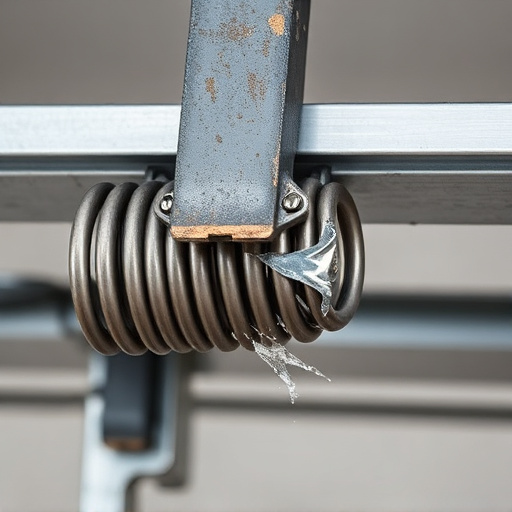
In the arid climate of Tucson, garage door springs face a unique challenge-a relentless assault from desert heat and dust. These environmental factors accelerate spring rust and corrosion, significantly reducing spring life. Understanding how these conditions impact your garage door springs is crucial for maintaining safety and minimizing costly repairs. This article examines the mechanisms behind spring deterioration, explores common issues like torsion tube problems and cone and anchor plate wear, and provides insights into effective spring service call steps. By the end, you'll grasp the importance of professional spring replacement, especially when dealing with heavy doors or high-cycle springs, to ensure your garage door operates smoothly and securely.
- Desert Heat: Accelerating Spring Degradation
- Dust and Corrosion: A Deadly Duo for Springs
- Proactive Solutions: Extending Spring Lifespan
Desert Heat: Accelerating Spring Degradation
The harsh desert environment presents unique challenges for garage door springs, significantly accelerating their degradation. High temperatures, intense sunlight, and relentless dust play a vicious cycle, leading to increased spring wear and tear. Among the various types, both torsion and extension springs are susceptible to these effects, but their vulnerabilities differ. Torsion springs, coiled to one side of the garage door, are particularly prone to heat-induced expansion, causing strain on the metal and accelerating rust and corrosion. On the other hand, extension springs, which stretch vertically, are more exposed to dust and debris, leading to quicker fatigue and failure.
In Tucson's arid climate, the average lifespan of garage door springs can be significantly reduced. While a spring under normal conditions might last 5,000 to 10,000 cycles, this number can drop to 2,000 to 4,000 cycles or even less when exposed to desert heat. This means a spring that might typically last 7 to 14 years could fail in as little as 3 to 6 years under these conditions. The primary culprit is spring rust and corrosion, which weakens the metal, making it more susceptible to breakage. The intense UV radiation from the sun can cause the spring's material to deteriorate faster, compromising its structural integrity.
To combat these issues, a local Tucson garage door technician recommends regular inspections and maintenance. Ensuring proper spring tensioning and using high-quality, heat- and corrosion-resistant springs can extend their lifespan. Oil-tempered springs, known for their superior strength and durability, are a wise investment in the harsh desert climate. Keeping the door and springs clean and free from dust buildup can significantly delay the onset of wear and tear. A simple regular cleaning routine, along with professional servicing, can help prolong the life of your garage door springs, ensuring your door operates smoothly for years to come.
Dust and Corrosion: A Deadly Duo for Springs
Desert heat and dust are a formidable combination that can significantly reduce the lifespan of garage door springs, especially in a region like Tucson and Oro Valley known for its arid climate. The primary culprit in this deterioration is spring rust and corrosion, which can weaken springs and lead to premature failure.
Dust, a ubiquitous presence in arid environments, accelerates corrosion when it comes into contact with metal springs. Over time, a thin layer of oxide forms on the spring's surface, gradually weakening its structural integrity. This process is further compounded by the intense heat that permeates the desert air. High temperatures accelerate the corrosion rate, causing the metal to deteriorate faster. The combination of heat and dust creates a vicious cycle that shortens the life expectancy of both torsion and extension springs.
An experienced Tucson garage door installer often encounters these challenges, emphasizing the importance of regular spring maintenance. To mitigate the effects of spring rust and corrosion, it's crucial to keep springs as clean as possible. Regular cleaning and lubrication can extend the life of your springs. However, for heavily rusted or corroded springs, replacement is often the best option. Using spring conversion kits or swapping out old springs for new, corrosion-resistant materials can significantly improve durability. Oil-tempered springs are less susceptible to corrosion than galvanized ones, offering a longer lifespan in Tucson's harsh conditions. Remember, the key to ensuring your garage door's safety and longevity lies in proactive maintenance and addressing spring issues before they become critical.
Proactive Solutions: Extending Spring Lifespan
The extreme heat and desert dust of Tucson can significantly impact the lifespan of your garage door springs. Over time, these environmental factors accelerate corrosion and rust, weakening springs and compromising their structural integrity. Oil-tempered springs, for instance, are particularly susceptible to degradation when exposed to the harsh conditions prevalent in our region. The inside diameter of winding cones, crucial components within the spring, can corrode, limiting their ability to withstand the tension and causing them to fail prematurely.
Proactive measures are essential to mitigate these effects and extend spring life. Regular cleaning and lubrication are paramount. A local Tucson garage door technician recommends cleaning springs at least twice a year to remove dust and sand buildup. Applying a protective lubricant designed for metallic surfaces can further prevent corrosion and rust. This simple step can add valuable months, even years, to the life of your springs.
Consider upgrading to high-quality springs specifically designed for harsh environments. Modern spring materials and manufacturing techniques often incorporate corrosion-resistant coatings and stronger alloy blends. These advancements can significantly improve resistance to desert dust and heat. Springs with a larger wire gauge and enhanced heat treatment can handle the extreme conditions, ensuring they maintain their strength and elasticity even under the most demanding circumstances. Regular spring replacement, guided by a professional assessment, is also crucial. A garage door specialist can evaluate your system, identify any signs of wear or corrosion, and recommend timely replacement to prevent catastrophic failure.
Frequently Asked Questions About an explainer on how desert heat and dust shorten spring life
What causes springs to fail in desert environments?
Extreme heat and constant dust exposure are the primary culprits. Desert heat accelerates metal fatigue, causing springs to weaken and break down more quickly. Simultaneously, dust acts as a corrosive agent, eroding the protective coatings on spring components and leading to premature failure. The combination of intense heat and abrasive dust particles significantly reduces the lifespan of springs in these harsh conditions.
How does heat impact spring performance?
The heat in desert regions can cause springs to lose their elasticity. High temperatures speed up the molecular vibrations within the spring, leading to a reduction in their ability to return to their original shape after being compressed or extended. This loss of elasticity results in reduced spring performance and increased strain on other components, ultimately shortening the spring's life.
Why is dust a problem for springs?
Dust acts as a formidable enemy to springs due to its abrasive nature. As dust particles accumulate on the spring, they act like tiny sandpaper grains, gradually wearing down the surface of the spring coils. This abrasion can lead to rust and corrosion, further compromising the spring's integrity. Regular cleaning and protection against dust are essential to maintaining spring health in dusty desert environments.
What can be done to prolong spring life in desert regions?
Regular maintenance is key. This includes periodic cleaning to remove dust buildup and application of protective coatings to shield springs from corrosion. Using high-quality springs designed for harsh environments can also significantly extend their lifespan. Keeping the area around the springs clean and free from debris will minimize dust exposure.
How often should springs be replaced in desert climates?
While there's no one-size-fits-all answer, springs in desert environments may need replacement anywhere from 12 to 24 months earlier than their counterparts in milder climates. Regular monitoring and maintenance can help extend this lifespan, but the extreme conditions demand more frequent attention.
Who should I contact for spring replacement or maintenance?
For professional and reliable service, consider a licensed garage door service like Eddies Garage Door Service. Their experienced Tucson garage door specialists are equipped to handle spring replacement and maintenance in desert conditions, ensuring your garage door operates safely and efficiently.
Understanding how desert heat and dust accelerate spring degradation is crucial for Tucson homeowners. By recognizing the impact of these environmental factors, you can proactively extend the lifespan of your garage door springs. Implementing regular maintenance, such as lubricating springs and addressing dust buildup, can prevent premature spring failure. Choosing the right springs for your door weight and considering high-cycle springs for heavy doors can significantly improve durability. Remember, spring rust and corrosion are significant concerns in our arid climate, so proactive measures are essential. If a spring breaks, it's best to call a licensed local garage door repair service like Eddies Garage Door Service, as DIY repairs can be dangerous. Always ensure your springs are replaced by professionals who follow local building codes and safety standards, as outlined by the Tucson Better Business Bureau and the Arizona Department of Consumer Protection. These steps will help ensure your garage door operates smoothly and safely for years to come.
Desert heat and dust significantly shorten garage door spring lifespans, especially in Tucson's climate. Spring rust and corrosion, accelerated by heat and dust, weaken and fail springs. Oil-tempered springs offer better resistance. Regular cleaning and lubrication, along with high-quality springs and professional replacement, can extend spring life, ensuring your garage door operates safely and smoothly.