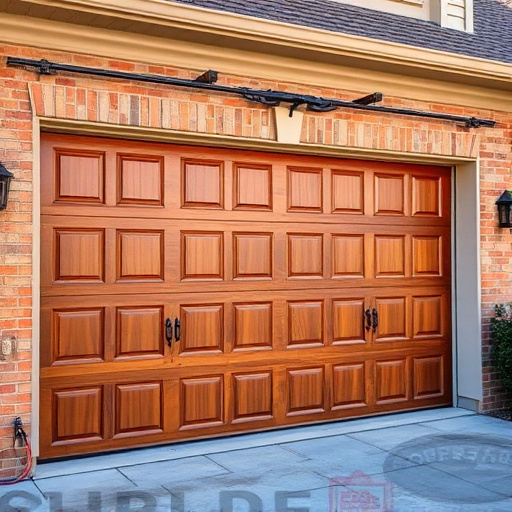
In the bustling homes across Tucson, garage doors serve as a crucial daily mechanism, opening and closing with minimal effort. Yet, beneath this convenience lies a powerful system of springs, often overlooked until a critical failure occurs. Broken garage door springs pose a significant safety hazard, as they can snap and launch with tremendous force, posing a serious threat to both individuals and property. Understanding the mechanics behind these springs, their common failures, and the inherent dangers they present is essential for Tucson homeowners and professionals alike. This article examines the complexities of garage door springs, emphasizing why their repair or replacement demands professional expertise, especially when dealing with the specific challenges posed by springs in wood doors.
- Understanding the Risks: Broken Springs in Wood Door Systems
- The Dangers: Why Professional Help is Essential for Spring Replacement
- Safe Handling Practices: A Step-by-Step Guide for Garage Door Technicians
Understanding the Risks: Broken Springs in Wood Door Systems
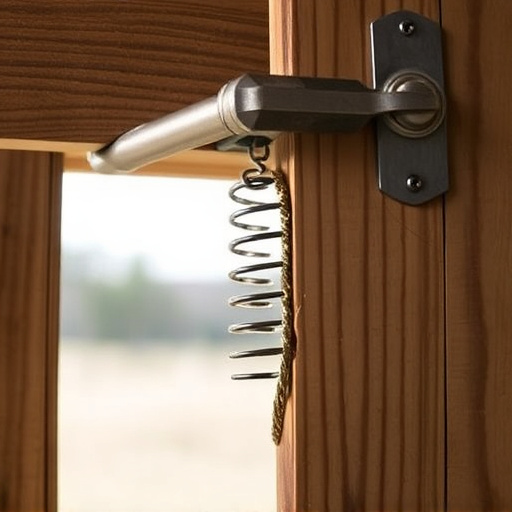
Broken springs in wood door systems pose significant risks to both homeowners and professional installers. Wood doors, known for their aesthetic appeal and energy efficiency, rely on strong springs to ensure smooth operation. However, when a spring breaks, the consequences can be severe. A garage door company serving Tucson and Oro Valley has witnessed firsthand the dangers associated with broken springs, particularly in the demanding Tucson climate.
The primary culprit is often the extension spring, a vital component in many wood door systems. These springs, designed to handle the weight of the door, can fail due to various factors, including rust, corrosion, and excessive heat. Tucson's hot, dry climate accelerates metal fatigue, making springs more susceptible to failure. When a spring breaks, it can cause the door to malfunction or even snap back, posing a serious safety hazard. A broken extension spring may result in a door that sticks or cannot be closed, leaving your home vulnerable to intruders or harsh weather conditions.
Winding cones, the devices that guide the spring during extension and retraction, can fail, leading to improper door balance and uneven operation. This is especially critical for heavy wood doors, where the wrong spring size or faulty installation can compromise structural integrity. Safety cables, designed to prevent springs from unwinding and causing injury, may also fail or become damaged, further exacerbating the risk. To mitigate these dangers, it's crucial to employ springs specifically designed for wood doors, such as oil-tempered or galvanized springs, which offer superior resistance to corrosion and heat. Regular inspection and prompt replacement of failing springs are essential, with a garage door technician able to assess and recommend the best course of action, whether it's a simple repair or a complete spring conversion kit.
The Dangers: Why Professional Help is Essential for Spring Replacement
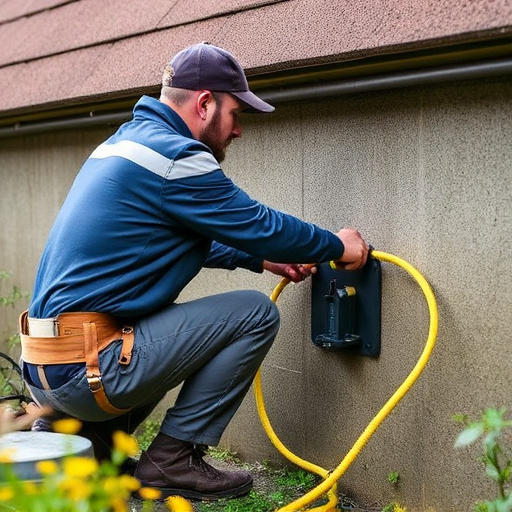
Broken garage door springs are a dangerous situation that demands professional attention. While some homeowners may be inclined to handle spring repairs themselves, especially when faced with a seemingly minor issue, the risks associated with broken springs far outweigh any temporary savings. Springs, particularly those on wood doors, are under immense tension, storing considerable energy. A single mistake during the replacement process could lead to serious injury from a sudden spring release or even worse, structural damage to the door and garage.
Extension springs, for instance, often found on wood doors, are designed to stretch and absorb impact, making them both crucial and inherently risky to replace without expertise. Improper handling can result in a spring that fails to fully retract, leaving it exposed and prone to catching on nearby objects. Even more concerning is the potential for the spring to snap, releasing its stored energy explosively. This is not an uncommon occurrence, especially in the Arizona heat, where springs can fatigue and fail more quickly. Powder-coated springs, a common choice for their durability, are no exception.
An experienced Tucson garage door installer understands these risks and has the tools and knowledge to ensure a safe and effective replacement. They begin by assessing the door's weight and spring size, selecting the appropriate spring type-torsion or extension-and length. For wood doors, an installer may recommend powder-coated springs for their rust resistance, a factor especially important in Tucson's climate. Professional installers also have access to spring conversion kits for those looking to upgrade their door's performance and safety.
Beyond the physical dangers, there's also the issue of balance. After spring replacement, the door's balance must be carefully adjusted to ensure it operates smoothly and safely. A professional will fine-tune this, while also providing a detailed estimate outlining the work performed, parts used, and any additional services required. This level of expertise and service is crucial when dealing with the potential hazards of broken garage door springs.
Safe Handling Practices: A Step-by-Step Guide for Garage Door Technicians

Broken garage door springs pose a significant safety hazard and require careful handling. A spring failure can lead to severe injuries, with the potential for pinched fingers, crushed hands, or even more severe trauma. This risk is heightened when dealing with heavy doors, such as those in Vail, where a single spring can weigh over 100 pounds.
When a spring breaks, it releases its stored energy suddenly, making it crucial for technicians to employ safe handling practices. Here's a step-by-step guide for local Tucson garage door technicians to navigate this delicate situation:
-
Safety First: Technicians should always prioritize safety. Wearing protective gear, including gloves and safety goggles, is essential. For springs supporting heavy doors, like those on wood doors in Vail, additional safety measures are in order. This includes using spring winding bars to support the spring during removal, minimizing the risk of injury from the spring's force.
-
Identify Spring Type: Understanding the type of spring is critical. Extension springs, for instance, are common but can be dangerous due to their high cycle ratings. In contrast, torsion springs, often found in larger doors, store energy in a different manner, requiring specific service call steps to ensure safe removal. A local Tucson garage door technician should be proficient in recognizing and handling both types.
-
Inspect for Damage: A broken spring often indicates other issues. Technicians should thoroughly inspect the door for signs of wear and tear, checking for rust and corrosion, especially in Tucson's arid climate. This includes examining the spring's anchorage points, such as the cone and anchor plates, which can be affected by prolonged exposure to elements.
-
Balance the Door: After replacing a spring, balancing the door is crucial. This ensures smooth operation and safety. Technicians should adjust the door's balance using the appropriate tools, ensuring the door closes smoothly and evenly. A two-car door in Vail might require a different balance adjustment than a single-door unit.
-
Warranty and Service: Many spring manufacturers offer warranties. Technicians should be aware of these and explain them to the homeowner, providing peace of mind and potential cost savings. Understanding the spring cycle ratings and when to expect spring replacement can help in providing proactive service, reducing the risk of sudden spring failures.
Frequently Asked Questions About Safety Advice on Why Broken Springs Are Dangerous to Handle
What are the potential hazards of handling broken springs? Broken springs, especially from metal roofing, can pose significant risks. They are sharp, rigid, and often remain under tension, increasing the chance of cuts, lacerations, or pinched fingers. In some cases, the force from a broken spring can cause severe injuries or even fractures, particularly if the spring is released accidentally.
Why should I not attempt to fix or remove a broken spring myself? Self-handling of broken springs is dangerous due to the unpredictable nature of their release. Professional roofing contractors are trained to manage such situations, using specialized tools and equipment to minimize risks. Without proper knowledge and safety gear, DIY attempts can lead to serious injuries or property damage.
Can broken springs cause structural damage to my roof? While broken springs are a safety concern, they can also impact the structural integrity of your roof. When a spring breaks, it may affect the alignment and tension of other springs, compromising the roof's stability. This could lead to further damage, including leaks, collapsed sections, or the need for partial or full roof replacement.
How do I know if a spring is still under tension? Tensioned springs maintain their shape and resist bending or deformation. If a spring appears broken but still has some rigidity, it's best to assume it's under tension. Never attempt to handle it without proper training and equipment. Always consult a professional roofer who can safely assess and manage such situations.
What should I do if a broken spring is causing a delay in my roof repair? If a broken spring is hampering roof repair efforts, contact a roofing contractor immediately. They can prioritize the safe removal of the broken spring and complete the necessary repairs, ensuring your roof is secure and safe as soon as possible. Safety and structural integrity should always be the top priorities.
Broken springs in wood door systems pose significant risks, underscoring the critical need for professional spring replacement. The article has highlighted the dangers of DIY repairs, particularly when dealing with springs for wood doors, due to the potential for severe injury or property damage. By following the step-by-step safe handling practices for garage door technicians, we can mitigate these risks. These include wearing appropriate personal protective equipment, using specialized tools, and following local building codes. Remember, a broken spring is a serious matter, and the expertise of a licensed roofer or experienced technician is invaluable. Moving forward, homeowners and contractors alike should prioritize safety by relying on professionals for spring replacement, ensuring the longevity and reliability of their wood door systems.
Broken springs in wood door systems pose significant risks, especially in Tucson's hot, dry climate. Extension springs, critical for door weight support, can fail due to rust, corrosion, and heat, leading to door malfunctions and safety hazards. Professional installers emphasize the importance of using corrosion-resistant springs, such as oil-tempered or galvanized springs, and performing regular inspections and replacements. Spring failure can result in severe injuries, making safe handling practices essential. Technicians should follow a step-by-step guide, prioritizing safety, identifying spring types, inspecting for damage, balancing doors, and understanding manufacturer warranties.